
Creating a home that feels both peaceful and functional is an art form. By blending the clean lines of Japanese minimalism with the cozy, practical nature of Scandinavian design, you can achieve a perfect balance. This is exactly what Japandi Lighting Explained aims to help you master.
We believe that your fixtures are the soul of a home. They do more than just brighten a room; they set the mood for your entire living space. Our goal is to simplify your journey toward a serene environment by focusing on intentional beauty and soft, natural glows.
When you embrace these design principles, you transform your house into a sanctuary. Let us guide you through the process of selecting pieces that bring warmth and clarity to your daily life.
Wichtigste Erkenntnisse
- Combine Japanese simplicity with Scandinavian comfort for a balanced home.
- Prioritize natural materials like wood, paper, and bamboo in your fixtures.
- Use soft, diffused light to create a calm and inviting atmosphere.
- Focus on functional design that serves a clear purpose in your space.
- Choose minimalist shapes to maintain a clean and uncluttered aesthetic.
Introduction to Japandi Lighting
When we curate our homes, we must ask ourselves: is your room lighting helping or hurting you? The way we illuminate our living spaces defines the atmosphere, turning a simple room into a sanctuary of peace.
Japandi lighting serves as the essential bridge between two iconic design worlds. It combines the airy, light-filled nature of Scandinavian interiors with the grounded, wabi-sabi philosophy of Japanese aesthetics.
What is Japandi Style?
Japandi is a hybrid design language that prioritizes simplicity and intentionality. It marries the functional, clean lines of Nordic design with the rustic, imperfect beauty found in Japanese craftsmanship.
This style focuses on creating spaces that feel like an exhale. By stripping away the unnecessary, we allow the light to become a central feature of the home rather than just a utility.
Key Characteristics of Japandi Lighting
Lighting in this style is never an afterthought. It relies on natural materials like bamboo, paper, and light-toned woods to diffuse light softly throughout a room.
The goal is to achieve a warm, ambient glow that mimics the gentle transition of daylight. We prioritize fixtures that offer soft shadows and avoid harsh, clinical brightness that can disrupt the calm flow of your home.
Importance of Lighting in Interior Design
Proper illumination is the backbone of any successful interior. If you find yourself feeling restless or uninspired, it is time to consider if your room lighting is helping or hurting you.
Strategic lighting enhances the textures of your furniture and defines the mood of your living area. By choosing fixtures that align with the Japandi ethos, we ensure that every corner of our home supports our well-being and daily productivity.
The Origin of Japandi Aesthetic
We often find that the most beautiful homes are born from the marriage of Eastern serenity and Northern functionality. This design movement is not merely a trend; it is a thoughtful blend of two cultures that prioritize simplicity and purpose. By understanding these roots, we can better appreciate how specific room lighting effects help create a balanced, peaceful sanctuary.
Historical Background of Japanese Design
Japanese interior design has long been defined by the philosophy of wabi-sabi. This concept encourages us to find beauty in imperfection and the natural cycle of growth and decay. It favors grounded, earthy tones and materials that age gracefully over time.
Spaces are kept uncluttered to allow for mental clarity and spiritual calm. By utilizing low-profile furniture and soft, diffused illumination, these interiors create a sense of deep connection to the earth. Every element serves a purpose, ensuring that the home remains a place of rest.
Roots of Scandinavian Design
In contrast, Scandinavian design emerged from the need to maximize comfort during long, dark winters. It prioritizes light, airy spaces that feel open and welcoming. The focus here is on functional minimalism, where every object must be as useful as it is beautiful.
Designers in the North often use pale woods and neutral palettes to reflect natural light throughout the home. This approach ensures that even the smallest rooms feel spacious and bright. It is a style built on the idea that a well-designed environment directly improves our daily quality of life.
The Fusion of Two Cultures
When we combine these two traditions, we create a space that is both cozy and refined. The warmth of Scandinavian wood meets the dark, meditative tones of Japanese craftsmanship. We use intentional room lighting effects to highlight these textures and create a cohesive atmosphere.
This fusion allows us to enjoy the best of both worlds: the airy openness of the North and the grounded tranquility of the East. The following table outlines how these distinct philosophies complement one another in a modern home.
| Design Element | Japanese Influence | Scandinavian Influence |
|---|---|---|
| Hauptziel | Spiritual Serenity | Functional Comfort |
| Color Palette | Dark, Earthy Tones | Light, Neutral Shades |
| Lighting Style | Soft, Diffused Glow | Bright, Task-Oriented |
| Material Focus | Raw, Natural Textures | Smooth, Refined Wood |
Psychological Effects of Japandi Lighting
Beyond mere visibility, the art of illumination serves as a bridge to emotional well-being. We understand that the importance of good lighting extends far past the simple act of seeing; it dictates the emotional resonance of your entire home. By carefully curating your light sources, you can transform any room into a sanctuary that supports your mental health and daily rhythm.
Creating a Calm Atmosphere
A peaceful home starts with soft, diffused light that mimics the gentle glow of dusk. In Japandi design, we prioritize fixtures that minimize harsh shadows, fostering a sense of tranquility and mental clarity. When you choose warm color temperatures, you signal to your brain that it is time to unwind and disconnect from the stresses of the day.
“Light is the most important element in interior design, as it has the power to change our mood and perception of space instantly.”
Enhancing Productivity with Light
While relaxation is vital, your home must also serve your professional needs. We advocate for layering light to create an environment that supports both deep focus and creative energy. By utilizing task-specific lighting, you can maintain high levels of concentration without sacrificing the aesthetic warmth of your space. Explore how to optimize your environment for Wohlbefinden through smart, adjustable illumination.
- Use cool-toned task lights for detailed work.
- Incorporate dimmable features to transition from work to rest.
- Position lights to reduce eye strain during long hours.
The Role of Natural Light
Natural light remains the gold standard for human health and circadian alignment. We encourage you to maximize daylight by keeping window treatments minimal and using reflective surfaces to bounce light deeper into your rooms. When natural light is scarce, artificial solutions that mimic the sun’s spectrum help maintain your internal clock. Recognizing the importance of good lighting means honoring the connection between your indoor environment and the natural world outside.
Key Elements of Japandi Lighting
We believe that your home should be a sanctuary where every light fixture serves a clear, intentional role. By blending the serenity of Japanese design with the cozy warmth of Scandinavian style, you can transform any room into a peaceful retreat.
Minimalism and Functionality
True Japandi design rejects clutter in favor of purposeful simplicity. Every lamp or pendant you choose should offer a clean silhouette that complements your space without overwhelming it.
Functionality remains at the heart of this aesthetic. We prioritize fixtures that provide targeted illumination exactly where you need it, ensuring that your home remains both beautiful and highly efficient.
Use of Natural Materials
To ground your interior in the Japandi style, we recommend selecting fixtures crafted from organic elements. These materials add tactile depth and warmth to your home environment.
- Wood: Provides a soft, earthy foundation for lamp bases.
- Linen: Perfect for shades that diffuse light into a gentle glow.
- Stone or Ceramics: Adds a sense of permanence and artisanal quality to your lighting collection.
Color Palette in Japandi Lighting
The color palette in Japandi lighting focuses on muted, neutral tones that promote relaxation. We suggest choosing warm, diffused light sources that mimic the soft glow of natural dusk.
Incorporating these lighting tips for better sleep can significantly improve your evening routine. By choosing bulbs with a lower Kelvin rating, you create an atmosphere that signals to your body that it is time to rest.
Konsistenz is key when selecting your color temperature. Keeping your lighting warm and cohesive ensures that your home feels like a unified, tranquil space throughout the night.
Popular Lighting Fixtures in Japandi Design
When designing a Japandi home, the fixtures you choose act as quiet art that anchors the entire room. We focus on selecting pieces that enhance your space without overwhelming its natural simplicity. Understanding how lighting can impact mood is vital, as the right glow turns a house into a true sanctuary.
Pendelleuchten
Pendant lights serve as the centerpiece of many Japandi rooms, often utilizing organic materials like rice paper or bamboo. These fixtures diffuse light softly, creating a warm and inviting atmosphere that feels both grounded and airy. If you are looking for inspiration on Deckenplattenleuchten, die Ihren Raum beleuchten home in, consider how these hanging elements draw the eye upward while maintaining a clean, minimalist silhouette.
Floor Lamps
Sculptural floor lamps are essential for adding depth and character to empty corners. We recommend choosing designs with clean lines and natural wood or metal finishes to maintain the Japandi aesthetic. These lamps provide gentle, ambient illumination that helps you relax after a long day, proving that functional design can also be a beautiful statement piece.
Wandleuchten
Understated wall sconces offer a sophisticated way to layer light without cluttering your floor space. By casting light against the wall, these fixtures create a soft, indirect glow that enhances the overall serenity of your home. It is fascinating to see how lighting can impact mood through these subtle additions, as they provide just enough brightness to highlight textures in your decor while keeping the environment calm and focused.
How to Choose Lighting for a Japandi Home
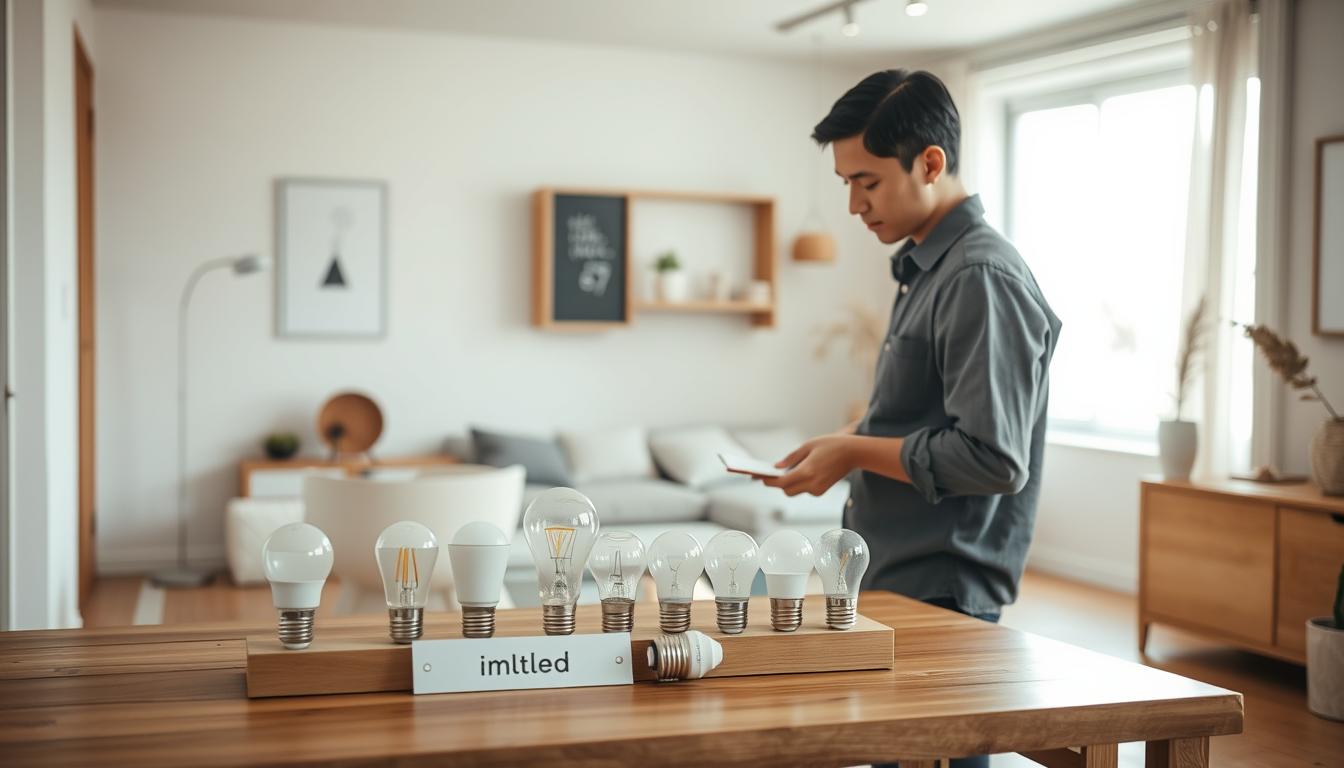
Mastering the art of light placement is essential for a truly balanced Japandi interior. We find that a well-lit home requires a thoughtful approach to layout and scale. By choosing the right lightbulbs with appropriate color temperatures, you can maintain the warm, inviting atmosphere that defines the Japandi lifestyle.
Assessing Room Layout and Function
Every room in your home serves a unique purpose, and your lighting should reflect that. We recommend mapping out your daily activities before selecting fixtures. For instance, a reading nook requires focused task lighting, while a living area benefits from soft, diffused glow.
Consider how natural light moves through your space during the day. By aligning your artificial light sources with these patterns, you create a seamless transition from morning to evening. This intentionality ensures that every corner of your room serves a specific, useful purpose.
Considerations for Size and Scale
In the world of Japandi design, proportion is everything. Oversized fixtures can overwhelm a minimalist room, while tiny lamps might get lost in the visual landscape. We suggest choosing pieces that complement the height of your ceilings and the footprint of your furniture.
A large pendant light can act as a stunning focal point above a dining table. However, ensure it does not obstruct your view or create clutter. Balance is the key to maintaining that signature clean, airy aesthetic.
Lighting Layering Techniques
Layering is the secret to a professional-looking home. You should combine ambient, task, and accent lighting to create depth. When choosing the right lightbulbs, aim for warm tones that mimic the soft glow of a sunset to enhance the comfort of your space.
| Beleuchtungsart | Primäre Funktion | Japandi Application |
|---|---|---|
| Ambient | Allgemeine Beleuchtung | Soft, diffused ceiling lights |
| Aufgabe | Gezielte Tätigkeit | Adjustable floor or desk lamps |
| Akzent | Highlighting features | Warm wall sconces or lanterns |
By layering these three types, you gain full control over the mood of your home. This approach allows you to shift from a bright, productive environment to a cozy, relaxing retreat with just the flick of a switch.
The Role of Smart Lighting in Japandi Interiors
Achieving the perfect balance between natural vs artificial lighting is now easier than ever with modern smart systems. We believe that technology should serve your comfort, allowing your home to remain both high-tech and deeply serene. By blending traditional design with innovative controls, you can create an environment that feels truly effortless.
Integration intelligenter Technologien
Our approach focuses on invisible integration that respects the minimalist aesthetic of your space. We utilize advanced 2,4 GHz connectivity to ensure your fixtures respond instantly to your commands. Furthermore, the inclusion of RGB+CCT controls gives you full command over color temperature and intensity.
This technology allows you to mimic the shifting hues of the sun throughout the day. You can transition from cool, energizing light in the morning to warm, relaxing tones as evening approaches. It is the ultimate way to harmonize your indoor environment with the world outside.
Vorteile intelligenter Beleuchtung
Smart lighting offers more than just convenience; it transforms how you experience your home. By managing the relationship between natural vs artificial lighting, you reduce eye strain and improve your overall well-being. Consider these primary advantages of upgrading your system:
- Automated Scheduling: Sync your lights with your daily routine for a seamless transition.
- Custom Scenes: Save your favorite settings for reading, dining, or meditation.
- Voice Control: Adjust your ambiance without ever leaving your seat.
- Remote Access: Manage your home lighting from anywhere using your smartphone.
Nachhaltige Beleuchtungslösungen
Sustainability is a core pillar of the Japandi philosophy, and smart lighting is a powerful tool for conservation. Intelligent systems help you minimize energy waste by ensuring lights are only active when needed. Effizienz is the key to a modern, eco-conscious home.
By utilizing dimming capabilities and motion sensors, you significantly lower your electricity consumption. These sustainable solutions not only protect the planet but also extend the lifespan of your light bulbs. We are committed to helping you build a home that is as responsible as it is beautiful.
Care and Maintenance of Japandi Lighting Fixtures
Proper maintenance is the secret to creating a well-lit environment that stands the test of time. By taking a few moments to care for your pieces, you ensure they remain both functional and beautiful for years to come. We want to help you protect your investment with simple, actionable advice.
Tips for Cleaning Different Materials
Japandi design often features delicate materials like rice paper, bamboo, and natural wood. For paper shades, use a soft, dry microfiber cloth or a gentle duster to remove surface debris. Avoid using water or harsh chemicals, as these can damage the texture and integrity of the paper.
When dealing with wooden lighting Japandi interiors, a slightly damp cloth is usually sufficient for dusting. Always follow up with a dry cloth to prevent moisture buildup. Keeping these materials clean is vital for creating a well-lit environment that feels fresh and inviting.
Ensuring Longevity of Fixtures
Longevity starts with proper placement and handling. Ensure your fixtures are installed in areas with stable humidity levels to prevent the warping of natural wood or the yellowing of paper. Regular inspections of cords and mounting hardware will help you catch minor issues before they become major repairs.
We recommend checking that all connections remain secure every few months. This simple habit prevents flickering and ensures your home remains a safe, cozy sanctuary. A little attention goes a long way in maintaining the structural beauty of your design.
When to Replace Light Bulbs
Knowing when to swap out your bulbs is essential for creating a well-lit environment that remains consistent. If you notice a bulb flickering or dimming significantly, it is time for a replacement. We suggest switching to high-quality LED bulbs that match your preferred color temperature.
Replacing bulbs promptly prevents strain on the fixture’s internal wiring. Always choose energy-efficient options to keep your home sustainable and bright. By staying proactive, you ensure your lighting continues to support your daily routines with ease and grace.
Enhancing Outdoor Spaces with Japandi Lighting

Extending your living space into the open air is a natural progression of the Japandi lifestyle. By understanding the psychology of lighting, we can transform a simple backyard into a serene extension of your home. Soft, warm illumination helps us feel more relaxed, effectively blurring the lines between your interior sanctuary and the natural world outside.
Key Considerations for Outdoor Lighting
When planning your outdoor setup, prioritize subtlety over brightness. We recommend using low-voltage LED systems that mimic the soft glow of dusk. This approach respects the environment while ensuring your garden remains a functional, inviting space after the sun sets.
Safety remains a priority, but it does not require harsh floodlights. Instead, focus on layered lighting that highlights pathways and architectural features. By keeping the light source hidden, you create a mysterious and calming atmosphere that encourages quiet reflection.
Fixtures for Gardens and Patios
Choose fixtures that celebrate natural materials like wood, stone, or matte-finished metals. These elements age gracefully and harmonize with the surrounding landscape. Minimalist lanterns or simple, geometric bollards work best to maintain the clean lines essential to the Japandi aesthetic.
We suggest opting for weather-resistant materials that do not compromise on style. A well-placed pendant light over a patio table can act as a focal point, grounding the space. Remember that simplicity is key; your fixtures should complement the garden, not compete with it.
Creating a Cohesive Feel with Indoor Spaces
Consistency is the secret to a unified home design. We encourage you to match the color temperature of your outdoor lights with your indoor fixtures. Using a warm, consistent Kelvin rating ensures that moving from your living room to your patio feels like a natural transition.
By applying the psychology of lighting to your outdoor areas, you create a seamless flow that invites you to relax under the stars. Keep your design choices intentional and balanced to maintain that signature Japandi tranquility throughout your entire property.
Color Temperature in Japandi Lighting
Color temperature serves as the invisible foundation for every serene and functional Japandi space. By carefully selecting the right hue, you can influence both the aesthetic appeal and the practical utility of your home. We focus on creating environments that feel intentional, soft, and perfectly suited to your daily needs.
Kelvin-Bewertungen verstehen
The Kelvin (K) scale measures the color appearance of light emitted by a bulb. Lower numbers represent warmer, yellow-toned light, while higher numbers indicate cooler, blue-toned light. Mastering these ratings is the secret to achieving the signature warmth found in Scandinavian design combined with Japanese minimalism.
For a cozy Japandi atmosphere, we generally recommend staying within the warmer spectrum. This range mimics the soft glow of natural light during sunrise or sunset. It helps to soften sharp architectural lines and creates a welcoming environment for everyone in the home.
Choosing the Right Light for Each Room
Every room in your house serves a different purpose, requiring a tailored approach to lighting. You should consider how light and productivity intersect when planning your layout. A kitchen or home office requires brighter, more neutral light to maintain focus, while a bedroom benefits from softer, warmer tones to encourage relaxation.
The following table provides a guide to help you select the ideal color temperature for your living spaces:
| Zimmertyp | Recommended Kelvin | Hauptvorteil |
|---|---|---|
| Schlafzimmer | 2200K – 2700K | Promotes deep relaxation |
| Wohnzimmer | 2700K – 3000K | Creates a cozy, social vibe |
| Küche/Büro | 3000K – 4000K | Enhances task performance |
Warm vs. Cool Light in Japandi Design
Balancing light and productivity is a core challenge in modern interior design. While cool light is often associated with high energy, it can feel too clinical for a Japandi home. We suggest using warm light as your base to maintain that essential sense of serenity.
If you need to boost your output during work hours, consider using adjustable smart lighting. This allows you to shift toward a cooler temperature when you need to focus, then return to a warmer glow once your tasks are complete. By managing these transitions, you ensure that your home remains a sanctuary for both rest and productive activity.
The Future of Japandi Lighting
As we look ahead, the principles of Japandi design are set to transform how we experience our living spaces. We are committed to innovation, ensuring that Japandi Lighting Explained remains a relevant guide for modern homeowners. By blending cutting-edge technology with timeless design, we help you build a home that is both forward-thinking and deeply grounded.
Emerging Trends in Japandi Design
The next wave of interior aesthetics focuses on organic fluidity and modularity. Designers are moving away from rigid structures, favoring soft, sculptural forms that mimic nature. You will see more fixtures crafted from recycled paper, bamboo, and raw stone, emphasizing a tactile connection to the earth.
These pieces are not just functional; they serve as art installations that anchor a room. If you want to dive deeper into the roots of this style, you can learn about lighting to better understand how these trends fit into your home.
Sustainable Practices in Lighting Design
Sustainability is no longer an option; it is a core requirement for the modern home. We see a massive shift toward energy-efficient LED integration that mimics the warmth of traditional incandescent bulbs. Manufacturers are now prioritizing circular design, ensuring that fixtures can be easily repaired or recycled at the end of their life cycle.
“True design is not just about how a space looks, but how it sustains the life within it through balance and respect for resources.”
The Influence of Technology on the Aesthetic
Technology is becoming invisible, seamlessly woven into the fabric of our homes. Modern systems allow you to adjust color temperatures automatically, syncing your environment with your natural circadian rhythm. This human-centric approach ensures that your lighting supports your well-being throughout the day.
| Merkmal | Traditionelle Beleuchtung | Future Japandi Lighting |
|---|---|---|
| Materiality | Standard Metal/Glass | Sustainable/Recycled Organic |
| Steuerung | Manual Switches | Smart/Automated Systems |
| Effizienz | Niedrig | High (Energy-Optimized) |
| Design Focus | Static Aesthetics | Adaptive/Human-Centric |
By embracing these advancements, you ensure that your home remains a sanctuary of peace and efficiency. We believe that Japandi Lighting Explained is the key to mastering this delicate balance between the past and the future.
Conclusion: Embrace Japandi Lighting in Your Home
Transforming your living space into a peaceful sanctuary starts with the right atmosphere. Our guide to Japandi Lighting Explained highlights how simple, intentional choices create a home that supports your daily well-being.
We believe that your environment should reflect both innovation and calm. By choosing fixtures that blend Japanese minimalism with Scandinavian warmth, you build a foundation for a balanced life. This approach turns every room into a place of rest and focus.
Explore our full range of curated solutions at www.imltled.com to find the perfect fit for your unique space. We provide the tools you need to bring this aesthetic to life with ease.
Do you have questions or need personalized advice for your next project? Reach out to us via WhatsApp at 0086 185 8848 3178 or send an email to [email protected]. We are ready to help you illuminate your dream life with simplicity and modern innovation.