
Choosing the right lighting is a vital step in crafting a space that feels both innovative and comfortable. Many homeowners today find themselves deciding between 4000K and 5000K LED options to achieve the perfect ambiance.
We simplify your journey into smart lighting by exploring the nuances between these two popular color temperatures. Whether you are upgrading a home office or a commercial workspace, selecting the correct hue makes a significant difference in your daily productivity.
Our goal is to help you create a environment that feels perfectly tailored to your unique needs. If you have questions about your specific project, please reach out to us at [email protected] for expert guidance. We are here to ensure your lighting setup is as effizient weil es wunderschön ist.
Wichtigste Erkenntnisse
- Both color temperatures offer distinct benefits for modern interior design.
- Selecting the right temperature improves both mood and visual clarity.
- Professional guidance helps avoid common lighting mistakes in your home.
- We prioritize simple, innovative solutions for all your lighting projects.
- Contact our team directly for personalized advice on your next installation.
What Are LED Color Temperatures?
Have you ever wondered why some rooms feel cozy while others feel clinical? The secret often lies in the specific LED color temperature you choose for your space. By understanding how light behaves, we can help you create the perfect environment for every room in your home.
Definition of Color Temperature
Color temperature is measured in Kelvin (K), a unit that defines the hue of light emitted by a source. On this scale, lower numbers represent warmer, yellowish tones, while higher numbers indicate cooler, bluish tones. Think of it as the personality of your light.
When you explore various LED lighting options, you will notice that the Kelvin rating dictates the visual warmth. A lower Kelvin value creates a relaxing, intimate glow, whereas a higher value provides a crisp, energetic light. Mastering this scale is the first step toward taking full control of your indoor atmosphere.
Importance in Lighting Design
Selecting the right light is essential for both functionality and comfort. Proper LED color temperature selection can transform a dull office into a productive workspace or turn a bedroom into a peaceful sanctuary. We prioritize these details because we know that your environment directly influences your daily well-being.
The following table provides a quick guide to help you navigate your LED lighting options effectively:
| Kelvin-Bereich | Leichtes Erscheinungsbild | Optimaler Anwendungsfall |
|---|---|---|
| 2700K – 3000K | Warmweiß | Wohnzimmer und Schlafzimmer |
| 4000K | Neutralweiß | Kitchens and workspaces |
| 5000K – 6500K | Tageslicht | Garages and task areas |
By balancing these temperatures, you can achieve a layered look that feels both professional and inviting. We encourage you to experiment with these settings to see how they change the mood of your home.
Overview of 4000K LEDs
Many homeowners struggle to choose between warm and cool tones, but 4000K LEDs provide a versatile, neutral alternative. This specific color temperature acts as a bridge, offering a clean look without the clinical feel of higher temperatures. When evaluating 4000K vs 5000K lighting, you will find that 4000K is the gold standard for those who value a bright yet cozy environment.
Characteristics of 4000K LEDs
The 4000K temperature is widely considered a neutral or transitional light. It mimics the appearance of cool white daylight, providing excellent clarity for daily tasks. Unlike warmer bulbs that can feel yellow, or cooler bulbs that might appear blue, 4000K maintains a balanced spectrum.
This light is äußerst wirksam at keeping you alert and focused. It eliminates the harshness often associated with cooler lights, making it a favorite for modern interior design. You get the benefit of high visibility without sacrificing the comfort of your home.
“Neutral lighting is the secret ingredient to a functional home. It provides the perfect clarity needed for work while maintaining a welcoming atmosphere for relaxation.”
Ideal Applications for 4000K LEDs
We often recommend 4000K for spaces where you need a balance between warmth and clarity. This temperature is perfect for kitchens, home offices, and laundry rooms. It ensures that colors appear accurate, which is vital when you are cooking or working on detailed projects.
The following table highlights how 4000K compares to other options in common settings:
| Merkmal | 4000K Lighting | 5000K Lighting |
|---|---|---|
| Farbton | Neutralweiß | Daylight/Cool White |
| Optimale Verwendung | Küchen & Büros | Garages & Workshops |
| Mood | Alert & Balanced | Energizing & Crisp |
| Visual Clarity | Hoch | Sehr hoch |
Choosing the right setup is essential for your daily comfort. By selecting 4000K, you ensure your space remains bright and inviting throughout the day. It is a smart, versatile choice for any room that requires both productivity and a touch of warmth.
Overview of 5000K LEDs
When you need absolute clarity in your workspace, 5000K LED lighting is the gold standard. This specific color temperature is engineered to mimic the appearance of natural daylight, providing a clean and vibrant atmosphere. By choosing this spectrum, you ensure that your environment remains bright and highly functional throughout the day.
Characteristics of 5000K LEDs
The primary characteristic of 5000K light is its crisp, cool white output. Unlike warmer tones that may feel cozy or dim, this temperature offers a high level of visual sharpness. It effectively reduces eye strain during long hours of work by highlighting fine details with precision.
We find that this light helps colors appear more vivid and true to life. It creates an energizing effect that keeps the mind focused and alert. When you Entdecken Sie die besten Gebäudebeleuchtungslösungen, you will notice that 5000K is often the preferred choice for modern, high-performance spaces.
Ideal Applications for 5000K LEDs
Because of its ability to enhance visibility, 5000K lighting is perfect for areas where accuracy is non-negotiable. It transforms standard rooms into highly productive zones. Consider using this temperature in the following settings:
- Workshops and Garages: Essential for detailed mechanical work or crafting where seeing small parts is vital.
- Home Offices: Promotes a sense of alertness and focus during demanding professional tasks.
- Retail Displays: Makes products stand out by providing clear, bright illumination that draws the eye.
- Kitchens and Utility Rooms: Ensures safety and clarity when handling sharp tools or performing precise culinary tasks.
By integrating 5000K LEDs into these spaces, you create a professional-grade environment that supports your daily goals. It is a simple yet effective way to upgrade your lighting infrastructure for better performance.
Comparing 4000K and 5000K LEDs
When you upgrade your space, the difference between 4000K and 5000K LED bulbs plays a massive role in the final atmosphere. Choosing between these two options can feel subtle, yet the impact on your daily environment is significant. We want to help you make a smarter, more informed decision for your home or office.
Visual Differences in Light Color
The 4000K light appears warmer and softer, providing a balanced glow that feels natural and inviting. In contrast, 5000K lighting offers a much sharper, crisp white tone that mimics daylight. This makes 4000K vs 5000K lighting a choice between a cozy, relaxed vibe and a high-energy, focused environment.
Brightness Perception
Many people assume that a higher Kelvin rating automatically means a brighter bulb. However, the actual light output is determined by the lumen rating, not just the color temperature. While 5000K may look brighter to the human eye due to its cool, blue-tinted spectrum, it does not necessarily produce more light than a 4000K bulb with the same lumen count.
| Merkmal | 4000K LED | 5000K LED |
|---|---|---|
| Farbton | Neutralweiß | Daylight White |
| Visual Feel | Weich und einladend | Sharp and Crisp |
| Optimale Verwendung | Living Areas | Arbeitsbeleuchtung |
| Helligkeit | Ausgewogen | Hoher Kontrast |
Psychological Effects of Color Temperature
Beyond simple visibility, the light in your home acts as a silent conductor for your emotions. We believe that by aligning your lighting with the intended use of a room, you can significantly improve your daily experience. The benefits of 4000K and 5000K LED choices lie in their ability to support your specific lifestyle needs and mental well-being.
Impact on Mood and Productivity
Lighting does more than just illuminate; it shapes your daily rhythm. A 4000K color temperature promotes a comfortable and relaxed mood, making it an excellent choice for living areas where you want to unwind. It provides a balanced glow that feels natural and inviting.
In contrast, 5000K lighting mimics daylight, which is highly effective for tasks requiring high concentration. By choosing the right spectrum, you can boost your focus during work hours. Understanding these benefits of 4000K and 5000K LED options allows you to tailor your environment for maximum efficiency.
How Color Temperature Influences Ambiance
The ambiance of a room is defined by how light interacts with your surroundings. Warmer tones often create a cozy, intimate setting, while cooler tones provide a crisp, clean aesthetic. You can transform the entire feel of a space simply by adjusting the color temperature.
We encourage you to experiment with these settings to see what works best for your home. Whether you seek a calm sanctuary or a vibrant workspace, the benefits of 4000K and 5000K LED technology offer the flexibility you need. Creating the perfect atmosphere is now simpler than ever with modern, intelligent lighting solutions.
Energy Efficiency of 4000K vs. 5000K
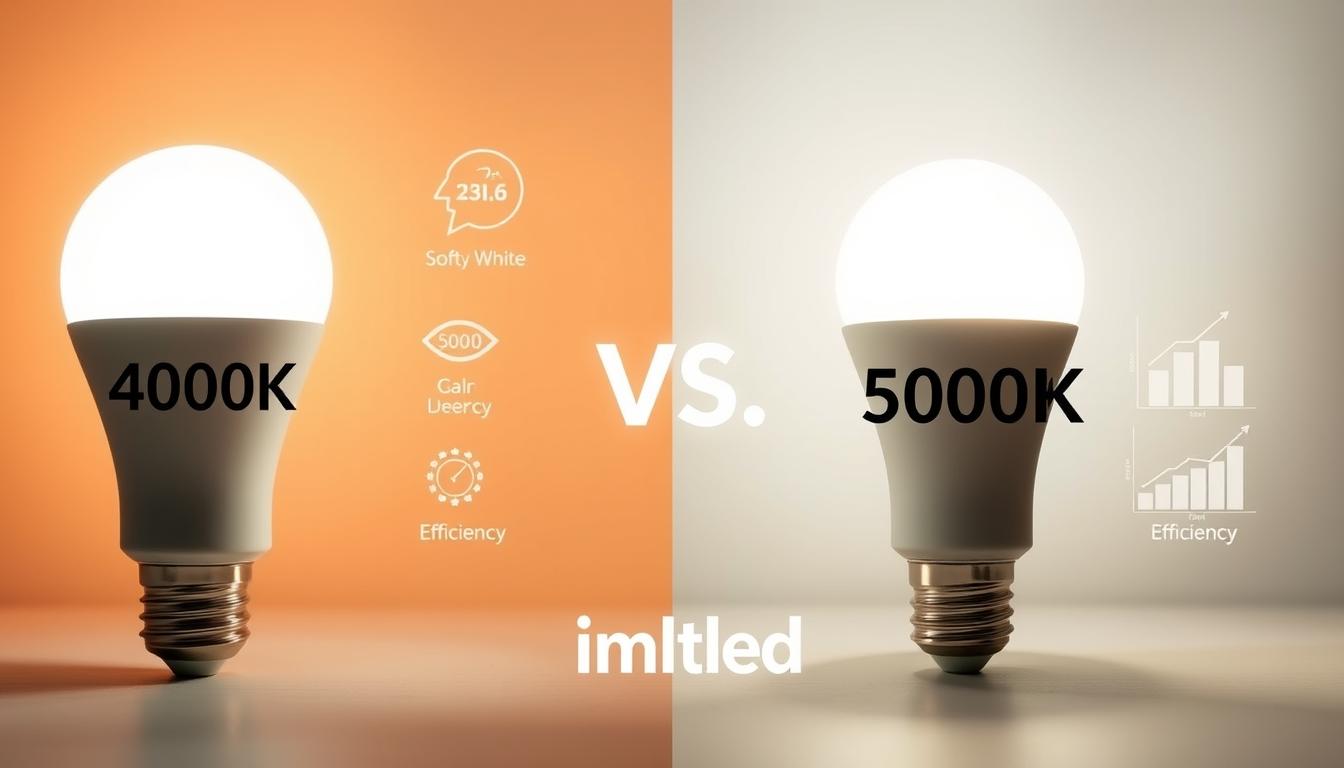
Achieving the perfect ambiance does not require you to compromise on your energy efficiency goals. Many people assume that a brighter or cooler light consumes more electricity, but this is a common misconception. The benefits of 4000K and 5000K LED options extend far beyond their visual appeal, as both are engineered for maximum performance.
Power Consumption Analysis
It is important to understand that energy consumption is dictated by the wattage of the bulb, not by the Kelvin rating. Whether you choose a 4000K neutral white or a 5000K daylight bulb, the power draw remains consistent if the wattage is the same. We design our lighting solutions to ensure you get the exact light quality you desire without hidden energy costs.
“Efficiency is not just about saving power; it is about choosing the right technology that delivers consistent results over time.”
Longevity of LED Bulbs
When you invest in high-quality lighting, you expect it to last. One of the primary benefits of 4000K and 5000K LED technology is the impressive lifespan of these bulbs. You can enjoy years of reliable illumination, which significantly reduces your long-term maintenance costs.
Our commitment to quality means you do not have to worry about frequent replacements. Here is why these bulbs are a smart choice for your home or business:
- Reduced Maintenance: Long-lasting components mean fewer trips up the ladder to change bulbs.
- Consistent Output: Both color temperatures maintain their brightness and clarity throughout their lifecycle.
- Cost Savings: Lower energy usage combined with extended durability keeps your utility bills manageable.
By selecting the right color temperature for your specific needs, you gain the perfect balance of style and sustainability. We are here to help you make the transition to smarter, more efficient lighting today.
Choosing the Right LED for Your Space
Transforming your environment begins with understanding how different light tones impact your daily life. We know that choosing the right LED color temperature is a deeply personal process that hinges on your unique design goals and the specific function of each room.
Factors to Consider in Your Selection
When you start your search for the best LED light color, you should first evaluate the primary purpose of the space. A kitchen or home office often benefits from cooler, crisp light to boost focus, while a bedroom or living area might feel more inviting with warmer tones.
- Natural Light Availability: Consider how much sunlight enters the room during the day.
- Room Functionality: Determine if the area is for high-energy tasks or relaxation.
- Interior Palette: Think about how your wall colors and furniture interact with the light.
If you are looking to upgrade your exterior areas, you might want to explore intelligente Beleuchtungslösungen to gain more control over your ambiance. These systems allow you to adjust your LED color temperature dynamically to suit the time of day or specific activities.
Personal Preferences and Uses
Letztendlich best LED light color is the one that makes you feel most comfortable in your own home. We encourage you to think about how you use each room throughout the day to ensure your lighting supports your lifestyle.
By carefully choosing the right LED color temperature, you create a home that is both functional and beautiful. Whether you prefer a cozy, golden glow or a bright, daylight-inspired atmosphere, your choices define the character of your living space.
How to Install LED Lights
We believe that upgrading your home lighting should be both simple and stress-free. Whether you are replacing old bulbs or installing brand-new fixtures, our goal is to help you complete the process with total confidence. By following a clear, logical approach, you can achieve professional results in your own home.
Schritt-für-Schritt-Installationsanleitung
Before you begin, gather your necessary tools, such as a screwdriver, wire strippers, and a voltage tester. Start by removing the existing fixture carefully to expose the wiring box. Take a moment to inspect the wires for any signs of wear or damage.
Next, connect the wires from your new LED fixture to the corresponding wires in the ceiling or wall. Typically, you will match the black wire to the hot wire, white to neutral, and green or copper to the ground. Secure these connections firmly using wire nuts and tuck them neatly back into the junction box.
Finally, mount the fixture base to the bracket and attach the decorative cover or lens. Once everything is securely in place, you are ready to restore power and enjoy your new, efficient lighting.
Safety Precautions to Keep in Mind
Your well-being is our top priority during any home improvement project. Always turn off the power supply at the main circuit breaker before you touch any electrical components. This simple step prevents accidental shocks and ensures a safe working environment.
We strongly recommend using a voltage tester to confirm that the power is truly off before you begin handling wires. If you feel unsure about any part of the process, do not hesitate to consult a licensed electrician. Double-checking your connections before flipping the switch is the best way to ensure a long-lasting and reliable Einrichtung.
Maintenance Tips for LED Lighting
We believe that maintaining your lighting setup should be a stress-free and straightforward process. By adopting a few simple habits, you can ensure your home or office remains perfectly illuminated for years to come. Consistent care not only preserves the aesthetic appeal of your fixtures but also protects your long-term investment in energy-efficient technology.
Cleaning Your LED Fixtures
Dust and debris can accumulate on your light fixtures over time, which may slightly reduce their output or clarity. We recommend a gentle approach to cleaning to keep your lights shining brightly. Always ensure the power is turned off before you begin any cleaning task to maintain maximum safety.
Use a soft, dry microfiber cloth to wipe down the exterior of the fixture. If you notice stubborn spots, you can lightly dampen the cloth with water, but avoid using harsh chemical cleaners or abrasive sponges. These can damage the protective finish or the delicate components of your LED units.
Behebung häufiger Probleme
Even the most reliable systems might occasionally face minor hiccups. If you notice flickering or unexpected dimming, the first step is to check your power connections. Often, a loose wire or a faulty dimmer switch is the culprit behind these common performance issues.
If the problem persists, verify that your dimmer switch is compatible with your specific LED bulbs. Using non-compatible hardware is a frequent cause of performance instability. Our team is always ready to assist you if you need further guidance on resolving these technical challenges quickly.
| Wartungsaufgabe | Frequenz | Handlungsbedarf erforderlich |
|---|---|---|
| Oberflächenstaub | Monatlich | Verwenden Sie ein trockenes Mikrofasertuch |
| Verbindungsprüfung | Vierteljährlich | Ensure all wires are secure |
| Dimmer Compatibility | Nach Bedarf | Verify switch specifications |
| Tiefenreinigung | Jährlich | Wipe with damp, soft cloth |
Future Trends in LED Technology
The future of illumination is evolving rapidly, bringing unprecedented flexibility to our daily lives. We are moving toward systems that do more than just provide light; they actively enhance our well-being and productivity.
Our commitment to innovation means we are constantly developing solutions that adapt to your changing needs throughout the day. By embracing these advancements, you can transform any room into a dynamic environment that supports your lifestyle.
Innovations in Color Temperature Control
New technology now allows for seamless transitions between warm and cool light within a single fixture. This level of precision ensures that you are always choosing the right LED color temperature for your specific tasks or relaxation periods.
These systems utilize advanced chips to blend light spectrums instantly. Whether you need a crisp, energizing glow for morning focus or a soft, golden hue for evening rest, the control is now at your fingertips.
The Shift Towards Smart Lighting Solutions
Smart lighting allows for dynamic control over your environment through intuitive apps and voice commands. We believe that technology should be simple and convenient, removing the friction from your daily routines.
By integrating smart controllers, you gain total control over your home’s atmosphere without needing complex wiring. When you focus on choosing the right LED color temperature through these smart platforms, you create a home that truly works for you.
The shift toward connected ecosystems is just the beginning of a brighter, more efficient era. We are excited to help you navigate these changes and bring innovative lighting into your personal space.
Häufig gestellte Fragen
Many of our clients often ask us about the nuances of color temperature and how it affects their daily environment. We understand that identifying the difference between 4000K and 5000K LED options can feel like a technical hurdle, but we are here to make it simple.
Common Queries About LED Color Temperatures
When you are planning your lighting layout, it is easy to get confused by the various specifications. We have compiled the most frequent questions to help you feel confident in your purchase:
- Does a higher Kelvin rating mean more brightness? No, brightness is measured in lumens. Kelvin only indicates the color appearance of the light.
- Which option is better for a home office? 4000K is often preferred for a balanced, neutral look, while 5000K provides a crisp, daylight-like feel.
- Can I mix different color temperatures in one room? While possible, we generally recommend consistency to maintain a cohesive aesthetic.
Expert Answers and Advice
Das best LED light color for your specific project is a journey that we are happy to support. If you are still feeling unsure about which path to take, our team is ready to provide personalized guidance tailored to your unique space.
To truly master your environment, you might consider using a optimierter LED-Controller zur Vereinfachung your setup. This allows you to adjust your ambiance with ease, ensuring your home or office always feels exactly right. Ihr Komfort ist unsere Priorität, and we are always just a message away if you need further technical support.
Contacting IMLT LED for More Information
Selecting the right color temperature transforms your environment into a space that truly works for you. We are passionate about helping you navigate the technical details to find the perfect LED lighting options for your home or business.
Our team at IMLT LED provides the support you need to make informed decisions. You can explore our full range of high-quality products by visiting our website at www.imltled.com today.
Nehmen Sie Kontakt mit unserem Team auf
We believe in making your lighting journey simple and efficient. For immediate assistance with your specific project requirements, please reach out to us via WhatsApp at 0086 185 8848 3178.
You can send your questions or project details to [email protected] at any time. We look forward to helping you illuminate your world with the best LED lighting options available.