
Recessed lighting is a fantastic way to brighten your home without having bulky fixtures protruding from your ceiling. Whether you are upgrading a kitchen or a workspace, choosing the right light quality makes a world of difference. We are here to help you navigate the technical nuances of selecting the perfect setup for your specific needs.
One of the most important safety considerations involves understanding the distinction between IC Vs. Non-IC Rated fixtures. These labels determine if your lights can safely touch insulation, which is vital for both efficiency and home safety. If you are looking to Ilumina tu cochera con smart lighting, our team is ready to provide personalized guidance.
We believe that your lighting project should be both innovative and worry-free. If you have questions about your installation, please reach out to us at www.imltled.com, via WhatsApp at 0086 185 8848 3178, or by email at [email protected]. Let us help you create the perfect ambiance today.
Principales conclusiones
- Recessed lighting offers a sleek, modern look by sitting flush with your ceiling.
- Always verify if your fixtures are IC Vs. Non-IC Rated to ensure fire safety near insulation.
- Color temperature choices like 4000K and 5000K significantly impact the mood of your rooms.
- Smart lighting technology allows for easy adjustments to suit different times of the day.
- Our team provides expert support to simplify your home or business lighting upgrades.
What is Color Temperature in LED Lighting?
We want to help you demystify the technical side of lighting so you can design your perfect space. Lighting is far more than just brightness; it is the foundation of the mood and atmosphere in your home.
Definition of Color Temperature
Color temperature describes the visual appearance of light emitted by a bulb. It tells you whether the light looks warm and cozy o cool and crisp. This measurement is essential for achieving the specific look you want in your living areas.
Importance of Color Temperature in Lighting
Choosing the right temperature is a key step in creating a comfortable environment for your daily life. A warmer light often promotes relaxation, while a cooler light helps you stay focused and productive. We believe that matching the light to the room’s purpose is the secret to a well-designed home.
Measurement Units of Color Temperature
Light color is measured in Kelvin (K), a scale that ranges from warm yellows to cool blues. Beyond the color, you must also consider safety standards like the IC rating definition, which ensures your fixtures are safe to use near ceiling insulation. Understanding the difference between Insulation Contact Rated vs. Non-Insulation Contact Rated fixtures is vital for any recessed lighting project.
If a fixture is IC rated, it can safely touch insulation without posing a fire risk. Always check these specifications to ensure your home remains both beautiful and perfectly safe.
Overview of 4000K LED
When you want a perfect blend of warmth and clarity, 4000K LED lighting is often the ideal solution. This color temperature sits right in the middle of the spectrum, offering a neutral white glow that avoids the harshness of blue light while steering clear of yellow tones.
We find that this balance makes it a favorite for modern interior designs. It provides enough brightness to keep you alert without making your home feel like a sterile office environment.
Characteristics of 4000K LEDs
The 4000K temperature is frequently described as “cool white.” It mimics the appearance of bright daylight during the morning hours, which helps in rendering colors accurately.
Because of this, clarity and focus are the primary benefits you will notice. Whether you are reading a book or preparing a meal, this light ensures that details remain sharp and easy to see.
Suitable Applications for 4000K Lighting
We recommend using 4000K LEDs in areas where productivity is the main goal. Kitchens, home offices, and laundry rooms are perfect candidates for this crisp, clean illumination.
When installing these lights, safety is our top priority. If you are working with IC vs. non-IC can lights, you must be aware of the housing requirements. Non-IC rated fixtures require at least 3 inches of space between the metal of the can and the ceiling insulation to prevent overheating.
Following these guidelines ensures your lighting system remains both efficient and safe for years to come. Here is a quick guide to help you decide where to place your 4000K fixtures:
| Tipo de habitación | Recommended Temp | Beneficio principal |
|---|---|---|
| Cocina | 4000K | High visibility for cooking |
| Oficina en casa | 4000K | Reduce la fatiga visual. |
| Baño | 4000K | Clear grooming light |
| Garage | 4000K | Maximum task precision |
Overview of 5000K LED
We often recommend 5000K LED lighting for spaces where precision and high visibility are absolutely essential. This color temperature provides a crisp, daylight-like illumination that helps you see every detail with remarkable clarity. It is a fantastic choice for anyone who values a clean, energetic atmosphere in their home or business.
Characteristics of 5000K LEDs
The 5000K spectrum is known for its cool, bluish-white hue that mimics the brightness of the midday sun. Because this light is so intense, it effectively reduces eye strain during tasks that require deep focus. We find that this temperature is perfect for modern, minimalist designs where a sharp, vibrant look is desired.
When installing these lights in ceilings with insulation, you must consider the difference between IC vs. non-IC can lights. IC-rated fixtures feature a specialized double can design, or a “can within a can,” which keeps the outer housing cool. This safety feature allows you to install the lights directly against insulation without any risk of overheating.
Suitable Applications for 5000K Lighting
This bright, energetic light is ideal for areas where productivity is the main priority. We suggest using 5000K LEDs in garages, workshops, or commercial settings to ensure you have the best visibility possible. These spaces benefit greatly from the high-contrast light that makes working on intricate projects much easier.
| Ambiente | Lighting Need | Recommended Fixture |
|---|---|---|
| Home Garage | Alta visibilidad | IC-Rated Can |
| Professional Workshop | Precision Focus | IC-Rated Can |
| Commercial Office | Eficiencia de la tarea | Non-IC or IC |
| Expositor para tiendas | Precisión del color | Non-IC Can |
Comparing 4000K and 5000K LEDs
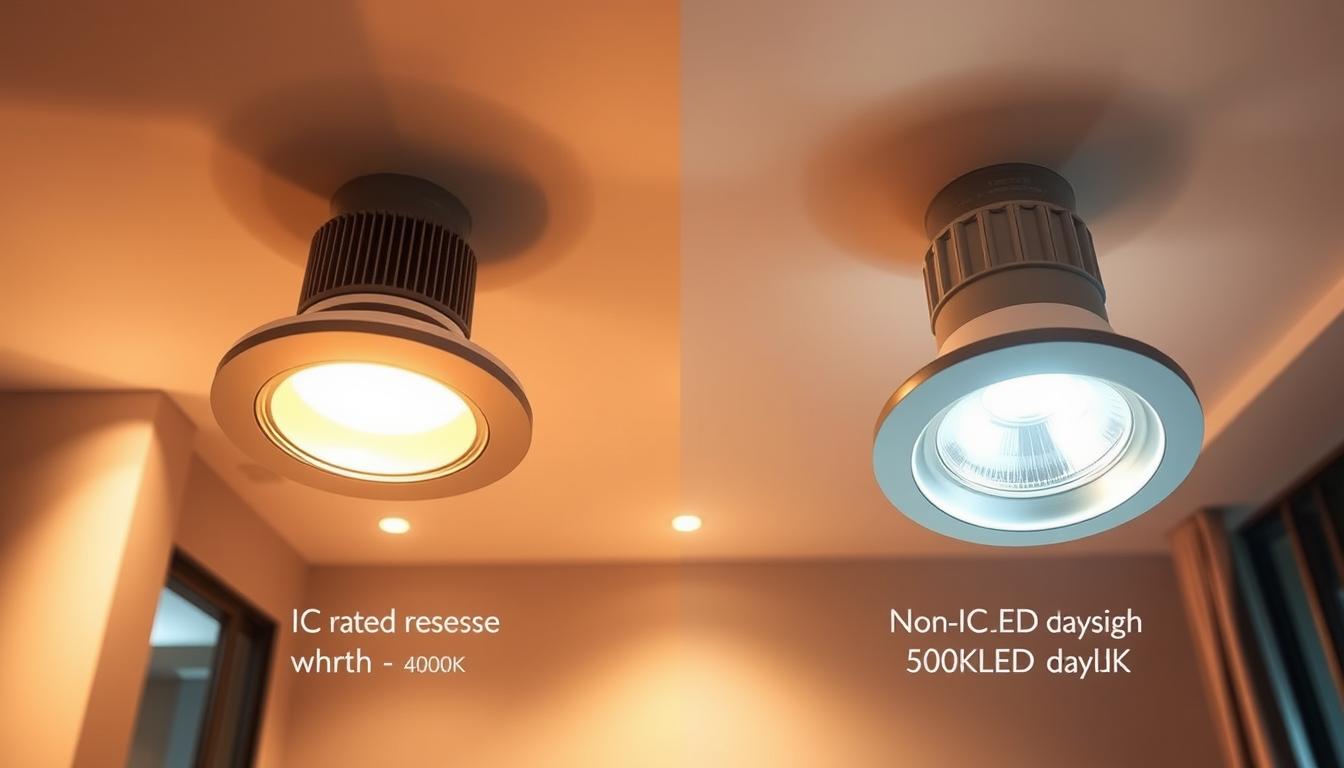
Your choice of LED color temperature significantly impacts how your living space feels and functions. While both options provide excellent illumination, they serve different purposes depending on your specific needs. We want to help you make an informed decision that enhances your home environment.
Brightness and Intensity Differences
Many people assume that a higher Kelvin rating automatically means a brighter light. In reality, 4000K and 5000K LEDs often produce similar levels of raw brightness, but they differ in perceived intensity. The 4000K option offers a balanced, neutral white light that feels comfortable for most indoor activities.
In contrast, 5000K lighting leans toward a daylight spectrum, which can appear sharper and more intense to the human eye. This increased clarity makes 5000K an excellent choice for task-oriented areas where precision is key. You might find that luces de techo tipo baldosa perform differently depending on which temperature you select for your specific room layout.
Aesthetic Differences in Color Appearance
The aesthetic impact of your lighting choice is profound. A 4000K bulb provides a clean, modern look that bridges the gap between warm yellow tones and harsh blue light. It is the perfect middle ground for living rooms and kitchens where you want a welcoming yet crisp atmosphere.
On the other hand, 5000K light mimics the appearance of natural midday sun. This creates a highly energetic and vibrant aesthetic that works wonders in home offices or garages. Choosing the right temperature ensures your interior design colors appear accurate and vivid throughout the day.
Consideraciones sobre la eficiencia energética
When planning your installation, consider the hardware requirements alongside the light output. Understanding the difference between IC vs. non-IC recessed lighting is crucial for safety and efficiency. Non-IC rated fixtures rely on ventilation holes for heat dissipation, which differs significantly from the sealed design of IC rated units.
Regardless of the temperature you choose, modern LEDs remain highly energy-efficient compared to traditional bulbs. By selecting the correct housing for your ceiling type, you ensure that your lighting system operates at peak performance for years to come.
| Característica | 4000K LED | 5000K LED |
|---|---|---|
| Color Tone | Blanco neutro | Daylight White |
| Mejor uso | General Living | Iluminación funcional |
| Mood | Inviting | Energizante |
| Claridad visual | Equilibrado | Alta |
Psychological Effects of 4000K vs. 5000K
The light surrounding you does more than just illuminate a room; it actively shapes your mood and daily efficiency. We understand that your home is your sanctuary, and the right lighting plays a pivotal role in how you feel throughout the day. By selecting the correct color temperature, you can transform your living space into a hub of productivity or a haven of relaxation.
Impact on Mood and Productivity
Light temperatures influence our circadian rhythms and mental alertness in distinct ways. A 4000K light provides a balanced, neutral glow that feels natural and inviting. This temperature is excellent for maintaining a steady focus without the harshness often associated with cooler lights.
In contrast, 5000K lighting mimics the intensity of daylight. This crisp, blue-white light is designed to boost alertness and keep your mind sharp during demanding tasks. When you need to stay energized, 5000K is your best partner for high-performance environments.
Best Environments for Each Temperature
Choosing the right fixture is just as important as the bulb itself. When installing your lights, you must consider whether you need IC vs. non-IC recessed lighting to ensure safety and performance in your ceiling structure. Once the technical foundation is set, you can tailor the atmosphere to your specific needs.
We recommend using 4000K in areas where you want to feel comfortable yet productive, such as kitchens or home offices. For spaces requiring maximum precision, like workshops or garages, 5000K provides the clarity needed to get the job done right.
| Temperature | Psychological Effect | Habitación ideal |
|---|---|---|
| 4000K | Calm and Balanced | Living Room / Kitchen |
| 5000K | Alert and Energized | Home Office / Workshop |
| Neutral | Focused Efficiency | Bathroom / Utility |
Selecting the Right LED for Your Space
Upgrading your lighting is a simple process, but you must consider your ceiling’s specific needs first. Beyond choosing the right color temperature, you need to understand the difference between IC and non-IC rated fixtures to ensure your home remains safe and compliant. We are here to help you make the best choice for your unique environment.
Home Use: 4000K vs. 5000K
For residential spaces, the goal is often to balance comfort with functionality. We recommend 4000K for living rooms and bedrooms, as it provides a clean, neutral light that feels welcoming. If you are working in a home office or a kitchen, 5000K offers the crisp clarity needed for detailed tasks.
Installing LED downlight retrofits is a fantastic way to modernize your home. This process is as simple as screwing in a lightbulb, which helps you reduce heat and energy usage without the need to replace your entire fixture. Just remember to verify your ceiling insulation type to maintain safety standards.
Commercial Applications: When to Use Each
In commercial settings, lighting directly impacts employee productivity and customer experience. We find that 5000K is the industry standard for warehouses and retail spaces where high visibility is essential. This bright, daylight-like glow helps keep staff alert and highlights products effectively.
When planning your commercial upgrade, keep these factors in mind:
- Eficiencia energética: Retrofitting existing cans saves significant costs over time.
- Safety Compliance: Always check the difference between IC and non-IC rated before installation.
- Task Accuracy: Use 4000K in breakrooms to encourage relaxation and 5000K in work zones for precision.
We are committed to making your lighting upgrade a smooth and rewarding experience. By selecting the right temperature and ensuring your hardware is compatible, you create a space that is both efficient and perfectly illuminated.
Common Misconceptions About LED Color Temperatures
We often encounter common misconceptions that can lead to poor lighting choices in residential and commercial spaces. Many people assume that technical specifications are too complex to master, but understanding the basics is actually quite simple. By clearing up these myths, we can help you create a space that feels both comfortable and functional.
Myth: Higher K Means Better Lighting
A frequent mistake is believing that a higher Kelvin rating automatically results in superior light quality. In reality, the Kelvin scale simply measures the color appearance of the light, ranging from warm yellow to cool blue. A higher number does not mean the light is brighter or more efficient; it just means the light is cooler in tone.
Choosing the right temperature is about matching the light to your specific needs. For instance, a 5000K light might be perfect for a workspace, but it could feel harsh in a cozy living room. Always prioritize the intended mood of your room over the numerical value on the packaging.
Myth: All LEDs Produce the Same Quality Light
Another common error is assuming that all LED products perform identically. Quality varies significantly based on the components used, the color rendering index, and the housing of the fixture itself. One critical factor often overlooked by homeowners is the difference between IC and non-IC rated fixtures.
An IC-rated fixture is designed to be in direct contact with insulation, which is vital for safety in many ceiling installations. Conversely, non-IC rated fixtures require a specific clearance to prevent overheating. Ignoring these safety ratings can lead to fire hazards, regardless of how high-quality the LED bulb inside might be.
| Common Myth | The Reality | Key Takeaway |
|---|---|---|
| Higher K is better | K is just color tone | Choose based on room use |
| All LEDs are equal | Quality varies by build | Check CRI and safety ratings |
| Fixture type doesn’t matter | Safety depends on rating | Verify IC vs non-IC needs |
Trends in LED Lighting: A Shift Toward 5000K?
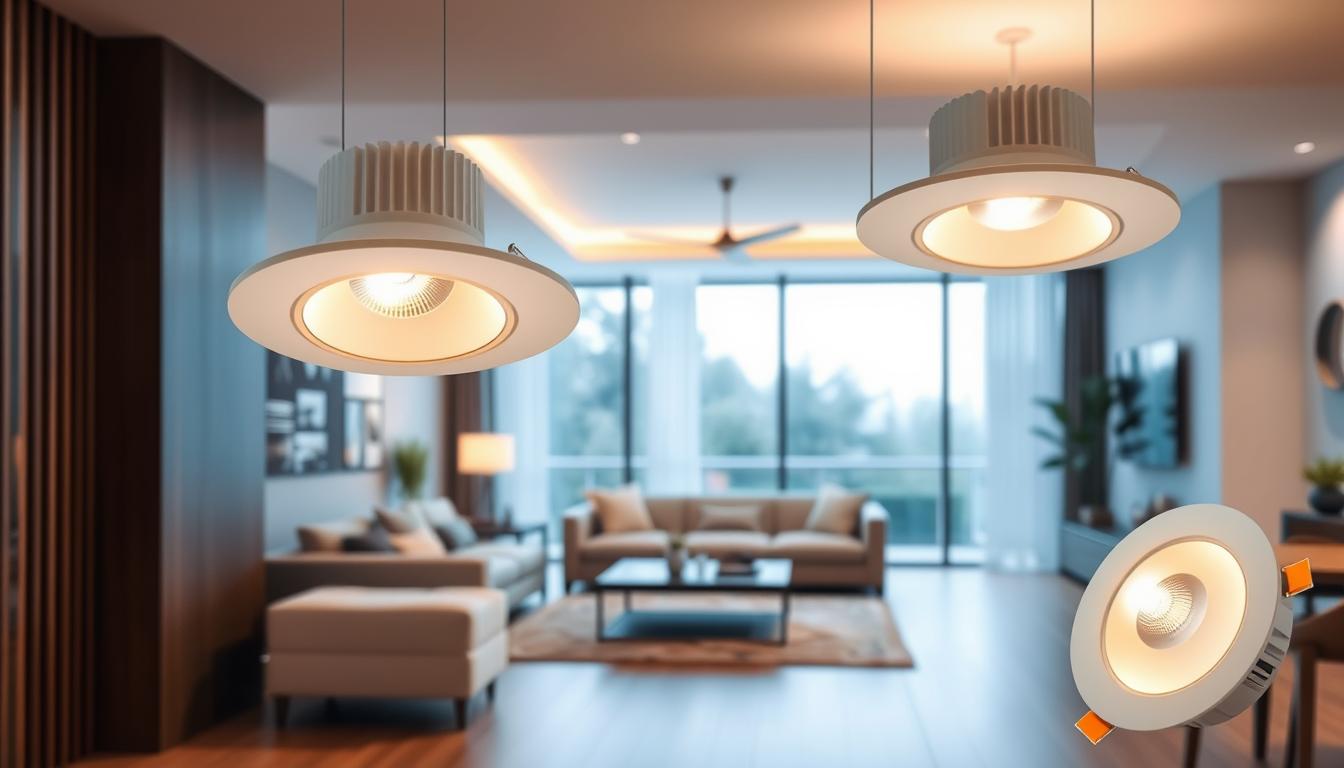
We are witnessing a significant shift in how homeowners approach their indoor lighting environments. More people are moving away from warmer, yellow-toned bulbs in favor of crisp, daylight-mimicking illumination. This transition reflects a growing desire for spaces that feel open, clean, and highly functional.
Reasons for Increasing Popularity of 5000K
The rise of 5000K lighting is driven by the need for clarity y enhanced productivity. By mimicking the natural spectrum of daylight, these LEDs help reduce eye strain during detailed tasks. Many users find that this cooler light makes their homes feel more modern and energized.
Several key factors contribute to this growing preference:
- Improved visibility for kitchens, home offices, and workshops.
- Greater energy efficiency compared to traditional lighting sources.
- A cleaner aesthetic that complements contemporary interior design styles.
“Lighting is the silent architect of our daily experience, shaping how we perceive our surroundings and how we feel within them.”
Implications for Future Lighting Solutions
As we look toward the future, the integration of smart technology and high-performance hardware will become even more critical. Homeowners are increasingly prioritizing safety alongside aesthetics when upgrading their systems. Utilizing IC rated downlights ensures that your lighting setup meets strict thermal safety standards, even in insulated ceilings.
We believe that the future of home lighting lies in versatilidad y smart innovation. By choosing reliable IC rated downlights, you can enjoy the benefits of a bright, 5000K environment without compromising on safety or quality. We are committed to helping you navigate these trends to create a home that is both beautiful and future-ready.
Frequently Asked Questions About LED Color Temperatures
Navigating the world of LED color temperatures can feel complex, but we are here to simplify the process for you. We understand that you may have many questions when planning your lighting project, and our goal is to make your decision-making process as simple and stress-free as possible. Whether you are curious about the differences between 4000K and 5000K or need advice on selecting IC rated downlights, we have the information you need.
Common Queries Regarding 4000K and 5000K
Many users often ask whether they can mix different color temperatures within the same room. While it is technically possible, our experts generally recommend consistency for a cohesive and professional look. Mixing temperatures can create visual clutter and make a space feel disjointed.
Another frequent question involves the longevity of these bulbs. Both 4000K and 5000K LEDs offer excellent energy efficiency and long lifespans when compared to traditional lighting. Choosing the right one depends entirely on the specific mood and functionality you want to achieve in your environment.
Expert Answers to Help You Decide
When you are ready to install your new lighting, safety and compatibility are paramount. If you are working with insulated ceilings, always ensure you choose IC rated downlights to prevent overheating and maintain fire safety standards. These fixtures are specifically designed to be in direct contact with insulation, providing you with peace of mind.
We suggest looking at the following table to quickly compare how these temperatures perform in different settings. This should help you visualize the best fit for your unique space.
| Característica | 4000K (Cool White) | 5000K (Daylight) |
|---|---|---|
| Visual Tone | Neutral, clean white | Crisp, bluish-white |
| Mejor uso | Kitchens and offices | Garages and workshops |
| Mood Impact | Balanced and alert | Highly energetic |
| Safety Needs | IC rated downlights | IC rated downlights |
We look forward to helping you achieve the perfect lighting balance for your home or business. Remember that the best lighting solution is one that makes your daily tasks easier and your environment more comfortable.
Where to Buy Quality LEDs
Selecting the perfect lighting involves more than just picking a color temperature. You must ensure your hardware matches your ceiling environment to maintain safety and efficiency. Understanding the nuances of IC rated vs. non-IC rated ceiling remains a vital step for any successful installation.
We provide reliable LED solutions tailored to your specific project needs. Whether your space requires specialized Non-IC rated housings or standard insulated fixtures, our team offers the expertise to guide your purchase. We focus on delivering innovative technology that simplifies your lighting setup.
Trusted Lighting Solutions
You can explore our full range of professional products by visiting www.imltled.com. Our team stands ready to assist you with any technical questions regarding your installation requirements.
Reach out to us directly via WhatsApp at 0086 185 8848 3178 or send an email to [email protected]. We look forward to helping you illuminate your dream life with our high-quality, efficient lighting technology.