
Navigating the world of international logistics can feel overwhelming, but we are here to simplify the process for you. Mastering the classification of your shipments is the essential foundation for a smooth supply chain strategy.
When you correctly identify your items, you ensure that your goods move seamlessly across borders without unnecessary delays. We want to help you gain the confidence needed to manage your imports effectively so you can focus on growing your business.
Our goal is to make your experience as simple and efficient as possible. By utilizing accurate LED Product HS Codes, you eliminate guesswork and keep your operations running at peak performance.
Principales conclusiones
- Proper classification prevents costly customs delays.
- Accurate documentation ensures smooth international transit.
- Understanding these standards builds a stronger supply chain.
- We simplify technical requirements to save you time.
- Efficient logistics allow you to focus on scaling your brand.
What are HS Codes and Why They Matter
Think of HS codes as the passport for your products, ensuring they are recognized and processed correctly by customs authorities worldwide. When you are managing the logistics of importing, using the correct HS codes for LED goods is the most effective way to keep your supply chain moving without unexpected delays.
Definition of HS Codes
The Harmonized System, or HS, is a standardized numerical method designed by the World Customs Organization. It is currently used by nearly 200 countries to classify traded products in a uniform way.
By assigning a specific number to every type of item, this system creates a universal language for global trade. Whether you are shipping components or finished lighting fixtures, these codes provide the clarity needed to identify exactly what is crossing a border.
Importance in International Trade
We believe that knowing these codes is vital for any business dealing with LED technology to ensure regulatory compliance. When you use the right HS codes for LED goods, you help customs officials accurately assess duties and monitor trade flows.
This process is not just about paperwork; it is about facilitating fair trade negotiations and collecting accurate data. By mastering these classifications, you can effectively avoid unnecessary supply chain volatility and keep your business operations running smoothly.
Types of LED Products and Their HS Codes
We believe that mastering the classification of your lighting inventory is the first step toward a seamless import experience. As technology advances, the variety of available lighting solutions grows, making it vital to use the correct LED products classification codes to avoid delays at the border.
Properly identifying your goods ensures that your shipments move through customs with ease. We are here to help you navigate these technical requirements so you can focus on growing your business.
LED Bulbs
LED lamps represent the most common category in modern lighting. These items are generally classified under the code 8539.50 within the international system. Using this specific code helps customs officials quickly identify your products as energy-efficient lighting solutions.
LED Strips
Flexible lighting solutions like LED strips often require a different approach compared to standard bulbs. Because these products are frequently sold as part of a kit with controllers or power supplies, their classification can vary. We recommend checking the specific technical features of your strips to ensure you apply the most accurate HS codes for LED goods.
LED Displays
Large-scale visual solutions, such as digital signage and LED screens, fall into a unique category. These products are often treated as electronic display units rather than simple lighting fixtures. Accurate documentation is essential here to reflect the advanced nature of these components.
| Product Category | Función principal | Typical HS Code Range |
|---|---|---|
| LED Bulbs | General Illumination | 8539.50 |
| LED Strips | Accent/Decorative | 9405.40 |
| LED Displays | Visual Communication | 8528.59 |
The Structure of HS Codes
We believe that decoding the numerical structure of your shipments is the key to smooth logistics. By mastering the logic behind these numbers, you gain full control over your import documentation and ensure your business runs without unnecessary delays.
Breakdown of HS Code Components
The Harmonized System is a standardized numerical method used globally to classify traded products. The first two digits of an HS code represent the chapter, which identifies the broad category of the goods. Subsequent digits provide more specific details, narrowing down the item from its general group to its precise technical function.
This hierarchical system ensures that customs authorities worldwide speak the same language. When you look at LED products classification codes, you are essentially reading a roadmap that tells officials exactly what is inside your package. This level of detail is vital for maintaining compliance in the French market and beyond.
How to Interpret HS Codes
Interpreting these numbers does not have to be a daunting task. Start by identifying the chapter, then move through the subheadings to refine your search. This systematic approach helps you pinpoint the exact HS codes for LED goods required for your specific device.
We recommend keeping a clear record of your classification decisions to simplify future shipments. By consistently applying the correct LED products classification codes, you minimize the risk of errors during the customs clearance process. Remember, accuracy is the foundation of a stress-free import experience.
If you ever feel uncertain, remember that the structure is designed to be logical and consistent. Utilizing the right HS codes for LED goods allows you to focus on what matters most: growing your business and delivering innovative lighting solutions to your customers.
How to Find HS Codes for LED Products
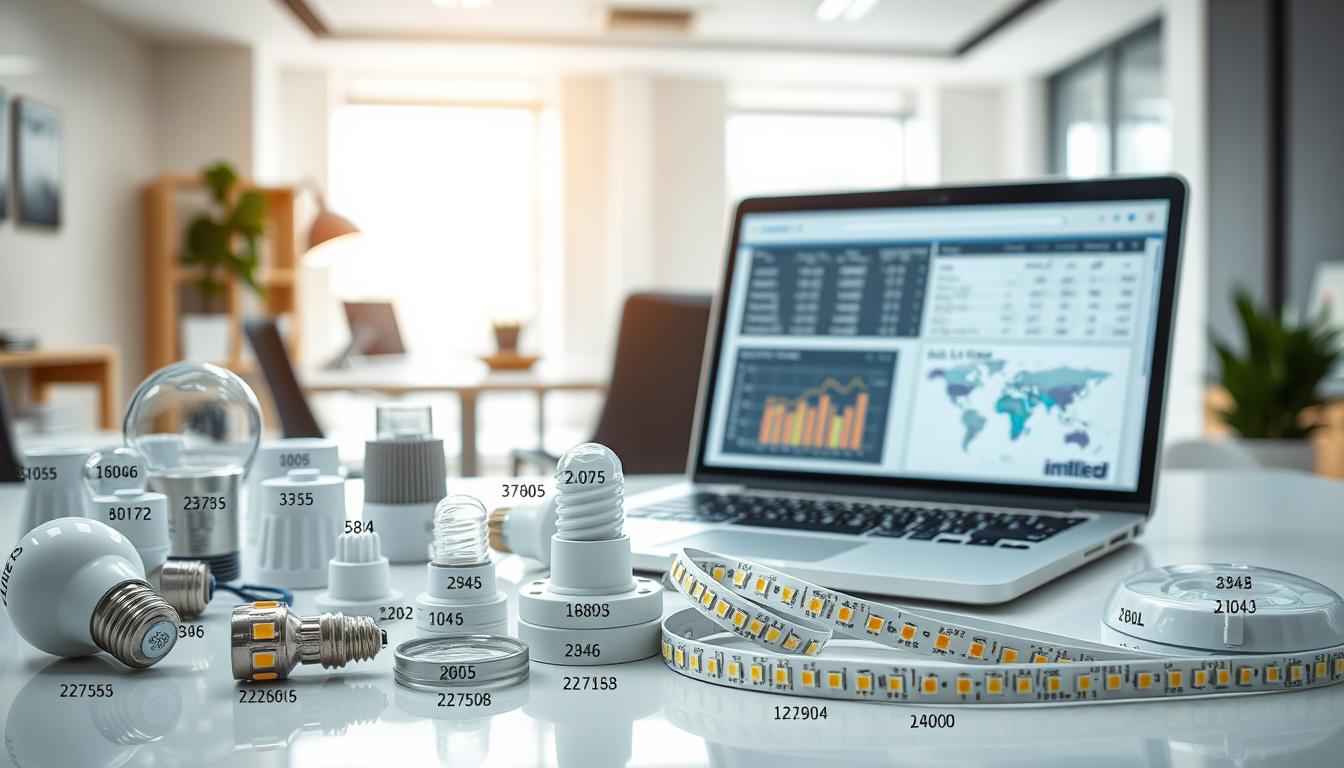
We believe that securing the right documentation should be a simple and stress-free experience for every business owner. Navigating the global market requires precision, especially when you need to identify the correct LED customs classification numbers for your shipments. By using the right tools, you can ensure your goods move through customs without any unnecessary delays.
Online Resources and Databases
The most reliable way to find accurate information is by consulting official government portals. Many countries provide publicly accessible databases where you can search for specific LED products classification codes based on technical descriptions. These platforms are updated regularly to reflect the latest international trade standards.
When searching, always look for the official nomenclature provided by your local customs authority. Using these verified sources helps you avoid common errors that could lead to penalties or shipment holds. If you are unsure about a specific category, these databases often include explanatory notes to guide your decision.
Manufacturer and Supplier Assistance
You do not have to navigate this process alone, as your partners are often your best resource. We are always here to assist you in reviewing your product specifications to ensure your LED customs classification numbers are assigned correctly. Our team works closely with you to verify that every detail matches the required LED products classification codes for your target market.
Collaborating with an experienced supplier provides you with the confidence that your documentation is fully compliant. We strive to make your compliance journey as smooth as possible by providing the technical data you need. Below is a quick guide to help you choose the best method for your classification needs.
| Resource Type | Fiabilidad | Ease of Use | Lo mejor para |
|---|---|---|---|
| Official Customs Portals | Alta | Moderado | Final Verification |
| Supplier Technical Support | Alta | Alta | Product-Specific Data |
| Third-Party Trade Tools | Medio | Alta | Quick Reference |
Common Challenges in Identifying HS Codes
Navigating the world of international trade requires a deep understanding of complex classification systems. Identifying the right LED customs classification numbers for your lighting products can feel like a daunting task in a constantly shifting regulatory landscape.
We are here to help you simplify this process. By staying proactive and informed, you can manage your logistics with confidence and ease.
Misclassification Risks
Choosing the wrong code can lead to significant headaches for your business. When you use incorrect LED import-export codes, you risk facing unexpected shipment delays at the border. Precision is vital to ensure that your goods move through customs without unnecessary friction.
Beyond simple delays, misclassification often results in heavy financial penalties or the seizure of goods. We want to help you avoid these pitfalls by ensuring your documentation is always accurate and compliant with current standards.
Changes in HS Code Systems
Global trade regulations are not static; they evolve to keep pace with new technology and market shifts. Because LED import-export codes may occasionally change, it is essential to review your classification data regularly.
Staying updated prevents your business from falling behind when new rules take effect. We act as your partners in this journey, monitoring these shifts so you can focus on growing your brand. Relying on outdated LED customs classification numbers is a risk you simply do not need to take when you have the right support.
The Role of Customs in HS Code Verification

Customs verification is the final gatekeeper for your global supply chain, and accuracy is your best tool. When your shipments arrive at the border, authorities perform a rigorous check to ensure that your goods match the declared documentation. This process is vital for maintaining the integrity of international trade standards.
Customs Procedures for LED Products
When your cargo reaches the port, officials rely on LED customs classification numbers to identify the nature of the items. They cross-reference your paperwork against the physical contents of the containers to verify compliance. If the description aligns with the provided codes, the clearance process remains fast and efficient.
We work closely with our partners to ensure that every detail is perfect before the goods leave the warehouse. By aligning your documentation with international standards, we help you avoid unnecessary delays. Proper use of LED import-export codes ensures that your products move through the system without friction.
Consequences of Incorrect HS Code Declaration
Accuracy is not just a suggestion; it is a requirement for successful business operations. An incorrect declaration of LED customs classification numbers can lead to significant financial penalties. Authorities may impose heavy fines or demand retroactive duties that were missed during the initial filing.
In more severe cases, customs may seize your shipment entirely, leading to costly disruptions in your supply chain. Relying on precise LED import-export codes protects your investment and keeps your business running smoothly. We are dedicated to helping you achieve seamless transit for all your lighting solutions by ensuring total compliance at every step.
The Impact of HS Codes on Import Duties
Navigating the world of international trade requires a clear understanding of how your product classification affects your bottom line. When you import lighting solutions, the specific LED import-export codes you select serve as the foundation for calculating your tax obligations. These codes act as a universal language for customs authorities, ensuring that every item is taxed according to its unique category.
Import Duties and Taxes on LED Products
The HS code assigned to your shipment directly determines the tariff rate applied by customs officials. Even a minor error in classification can lead to unexpected financial burdens or delays at the border. Because different types of lighting equipment fall under distinct categories, knowing the exact code is vital for accurate financial planning.
By identifying the correct LED import-export codes, you gain clarity on your total landed costs. This precision allows you to forecast your budget more effectively and avoid the common pitfalls of overpayment or regulatory penalties. We focus on helping you align your documentation with global standards to keep your operations running smoothly.
Strategies to Minimize Costs
Optimizing your classification process is one of the most effective ways to improve your cash flow. We recommend conducting a thorough audit of your product specifications to ensure that every item is categorized under the most favorable, yet accurate, tariff heading. This proactive approach helps you minimize unnecessary expenses while maintaining full compliance with international trade laws.
Working closely with experienced logistics partners can also provide you with the expertise needed to navigate complex tax landscapes. By leveraging the right LED import-export codes, you can streamline your supply chain and focus on what matters most: growing your business. We are here to support your journey toward more efficient and cost-effective global distribution.
Regional Variations in HS Codes for LED Products
While the Harmonized System LED codes provide a global foundation for trade, regional nuances often dictate the final classification of your lighting products. We recognize that international shipping involves more than just a universal code; it requires a keen eye for local regulatory details.
Differences Between Countries
The first six digits of the Harmonized System are consistent across the globe, ensuring a baseline of uniformity for international trade. However, individual nations often append additional digits to these codes to create their own national tariff schedules.
These extra digits allow countries to apply specific duties or regulatory requirements tailored to their local markets. Understanding these variations is crucial for avoiding delays at customs and ensuring your products reach their destination without unnecessary friction.
Specifics for the French Market
When importing into France, you must align with both European Union standards and specific national requirements. The French customs authorities place a high priority on accurate documentation to ensure that all Harmonized System LED codes are applied correctly.
Our team provides the guidance necessary to navigate these local standards with confidence. We are committed to making your expansion into the French market simple and successful by ensuring your shipments meet every local regulatory expectation.
Best Practices for Accurate HS Code Assignment
Building a robust internal process for Harmonized System LED codes is essential for long-term business success. We encourage you to view compliance not as a hurdle, but as a foundation for efficient global trade. By establishing clear internal protocols, you can protect your operations from the risks associated with unexpected tariff charges and border delays.
Documentation and Record Keeping
Maintaining thorough documentation is a best practice for ensuring long-term compliance. We recommend keeping a centralized digital archive that tracks every classification decision made for your product line. This practice provides a clear audit trail that proves invaluable during customs inspections or internal reviews.
Your records should include technical specifications, product photos, and the rationale behind each chosen code. When you keep these details organized, you create a reliable reference library that simplifies future shipments. Consistency in your paperwork is the most effective way to demonstrate transparency to regulatory authorities.
Training for Staff and Compliance Teams
Investing in regular training for your team is the best way to ensure accuracy across all shipments. We understand that trade regulations evolve, so keeping your staff updated on the latest Harmonized System LED codes is a smart business move. A well-informed team acts as your first line of defense against costly classification errors.
We suggest scheduling quarterly workshops to review new product launches and any changes in international trade laws. By fostering a culture of continuous learning, you empower your employees to handle logistics with greater efficiency and peace of mind. We are proud to support you in creating a robust and compliant supply chain that keeps your business moving forward.
The Future of LED Product HS Codes
Innovation in smart lighting is forcing a rethink of how we categorize goods for international shipping. As our homes become more connected, the hardware inside our fixtures is changing rapidly. We believe that staying ahead of these shifts is essential for any business navigating the global market.
Trends in Technology and Classification
Modern lighting is no longer just about illumination; it is about data, connectivity, and automation. We are seeing a surge in products that integrate 2.4GHz modules, motion sensors, and complex RGB+CCT controllers. These advancements often blur the lines between traditional lighting and consumer electronics.
Because of this, the process of assigning LED Product HS Codes requires a deeper understanding of the device’s primary function. To ensure your business remains compliant, consider these emerging trends:
- Increased integration of IoT components within standard fixtures.
- The rise of modular lighting systems that serve multiple purposes.
- Greater demand for energy-efficient, smart-grid compatible hardware.
If you are unsure how these new features affect your documentation, you can learn more about optimizing your classification to avoid common pitfalls.
Potential Regulatory Changes
Customs authorities worldwide are currently reviewing their frameworks to better accommodate high-tech lighting solutions. We anticipate that future updates will provide more specific categories for smart devices, reducing the ambiguity that currently exists. Adaptability is our greatest asset in this changing environment.
“The goal of international trade regulation is to create a transparent and efficient system that supports innovation while ensuring safety and compliance for all stakeholders.”
We are committed to monitoring these regulatory shifts closely. By keeping our clients informed, we help you navigate the complexities of LED Product HS Codes with confidence. Our team remains dedicated to providing the forward-thinking support you need to succeed in a market that never stops evolving.
Resources and Contact Information
Mastering the complexities of international shipping requires precision and reliable data. We aim to simplify your logistics by providing the clarity you need to manage Harmonized System LED codes with confidence.
Our team remains dedicated to helping you navigate trade regulations across global markets. We provide the tools to ensure your shipments move smoothly through customs without unnecessary delays. Proper classification of Harmonized System LED codes serves as the foundation for your business growth and compliance success.
You can access our full library of industry resources and technical guides by visiting our website. We invite you to reach out for personalized advice on your specific lighting projects.
Explore More at www.imltled.com
Visit our digital portal to find updated documentation and detailed insights into lighting technology. Our platform offers the latest information to keep your operations efficient and compliant.
Connect via WhatsApp: 0086 185 8848 3178
Send us a message on WhatsApp for immediate support from our expert staff. We provide quick answers to your questions regarding product classification and international trade standards.
Email Us at [email protected]
Reach out to our professional team via email to discuss your specific requirements. We look forward to partnering with you to illuminate your business success through innovation and reliable service.