
Creating the perfect atmosphere in your home starts with the right foundation. When you design solutions d'éclairage intelligent, the energy architecture you choose determines the long-term reliability of your setup.
We know that navigating technical specifications can feel overwhelming. Our goal is to simplify these concepts so you can focus on the creative side of your project. Whether you prioritize silent operation or high efficiency, finding the right balance is essential for success.
Choosing between a Linear vs Switching Power Supply often comes down to your specific performance needs. While one offers a clean, low-noise output, the other provides compact efficiency for modern demands. We are here to guide you through these differences to ensure your lighting remains both beautiful and functional for years to come.
Principaux enseignements
- Linear units provide a stable, low-noise output ideal for sensitive electronics.
- Switching models offer superior energy efficiency and a compact physical footprint.
- Selecting the right architecture prevents flickering and extends the lifespan of your LEDs.
- Consider your specific environmental needs before finalizing your hardware selection.
- Our team simplifies complex technical data to help you build smarter, more reliable lighting systems.
Fundamentals of Power Conversion
At the heart of every smart lighting system lies a sophisticated power conversion process. We rely on these systems to take raw, unpredictable energy and turn it into the stable current our devices need to function safely.
Achieving high power conversion efficiency is not just a technical goal; it is a necessity for modern innovation. When we optimize how energy moves through a circuit, we ensure that our lighting solutions remain both reliable and sustainable over time.
The Role of Power Supplies in Modern Electronics
Power supplies act as the vital bridge between the electrical grid and your sensitive electronic components. Without proper regulation, the fluctuations in raw input could easily damage delicate hardware or cause flickering in smart bulbs.
En utilisant efficient power electronics, we can extend the lifespan of our lighting fixtures significantly. This approach minimizes heat buildup and reduces the strain on internal circuits, allowing for a more consistent and enjoyable user experience.
AC to DC Transformation Basics
The process of AC to DC transformation is fundamental to how we power our homes today. Most wall outlets provide Alternating Current (AC), but the microchips and LEDs in our smart devices require a steady Direct Current (DC) to operate correctly.
This transformation typically involves three main stages: rectification, filtering, and regulation. Each step plays a critical role in smoothing out the electrical flow to ensure your lights perform exactly as expected.
| Stage | Fonction principale | Avantage clé |
|---|---|---|
| Rectification | Converts AC to pulsating DC | Enables unidirectional flow |
| Filtering | Removes voltage ripples | Provides smoother energy |
| Regulation | Stabilizes output voltage | Protects sensitive components |
Understanding Linear Power Supplies
When your project demands exceptionally clean power, the linear power supply is often the best choice. These systems are favored for their straightforward design and ability to deliver stable energy to sensitive components. While they may be heavier than modern alternatives, their reliability remains unmatched in many professional applications.
Operating Principles of Linear Regulation
At its core, a linear regulator works by dropping excess voltage as heat to maintain a steady output. This process ensures precise voltage regulation, which is vital for delicate circuits that cannot tolerate fluctuations. By continuously adjusting its internal resistance, the system keeps the output voltage constant regardless of changes in the load or input.
Key Components and Circuit Design
The architecture of these units relies on a few robust, time-tested components. Because they avoid high-frequency switching, they generate very little electromagnetic interference. This makes them ideal for audio equipment and precision measurement tools where signal purity is paramount.
Transformer Functionality
The journey begins with a large transformer that steps down the high-voltage AC from your wall outlet. This component is essential for safety and efficiency, as it isolates the output from the main power grid. Its size is a direct result of the low-frequency operation, which contributes to the overall weight of the linear power supply.
Rectification and Filtering Stages
Once the voltage is stepped down, the current passes through a rectifier to convert the AC into a pulsating DC signal. We then use large capacitors to smooth out these pulses, effectively removing ripples to create a stable flow. This final stage of voltage regulation ensures that your sensitive electronics receive the clean, consistent power they need to perform at their best.
Deep Dive into Switching Power Supplies
If you want to understand how modern devices stay compact and efficient, look no further than the switching power supply. These systems have transformed the way we power everything from small LED drivers to complex industrial controllers. By moving away from bulky, traditional designs, we can now enjoy hardware that is both lightweight and incredibly powerful.
How Switch-Mode Power Supplies (SMPS) Work
At their core, SMPS units function by rapidly turning the input current on and off. This process allows the system to convert energy with minimal waste, which is a significant upgrade over older methods. By managing energy in short bursts, these supplies keep heat levels low and performance high.
High-Frequency Switching and Pulse Width Modulation
The magic happens through high-frequency switching, which operates at speeds far beyond what the human ear can detect. To control the output, these systems utilize Pulse Width Modulation (PWM). This technique adjusts the duration of the power pulses to maintain a steady output, regardless of changes in the input or the load.
The Role of MOSFETs in Efficiency
MOSFETs act as the high-speed gates within the circuit. Because they can switch states almost instantly, they minimize the time spent in a resistive state where energy would otherwise be lost as heat. This rapid action is essential for achieving the high efficiency levels we expect in modern smart lighting.
Feedback Loops and Regulation Accuracy
Precise voltage regulation is maintained through a sophisticated feedback loop. This loop constantly monitors the output and makes micro-adjustments to the PWM signal in real-time. Consequently, your devices receive a stable, clean power supply that protects sensitive components from fluctuations.
| Composant | Fonction principale | Benefit to System |
|---|---|---|
| MOSFET | High-speed switching | Reduces thermal loss |
| PWM Controller | Signal modulation | Ensures stable output |
| Feedback Loop | Real-time monitoring | Maintains accuracy |
| Inductor | Energy storage | Smooths current flow |
Linear vs Switching Power Supply: A Comparative Analysis
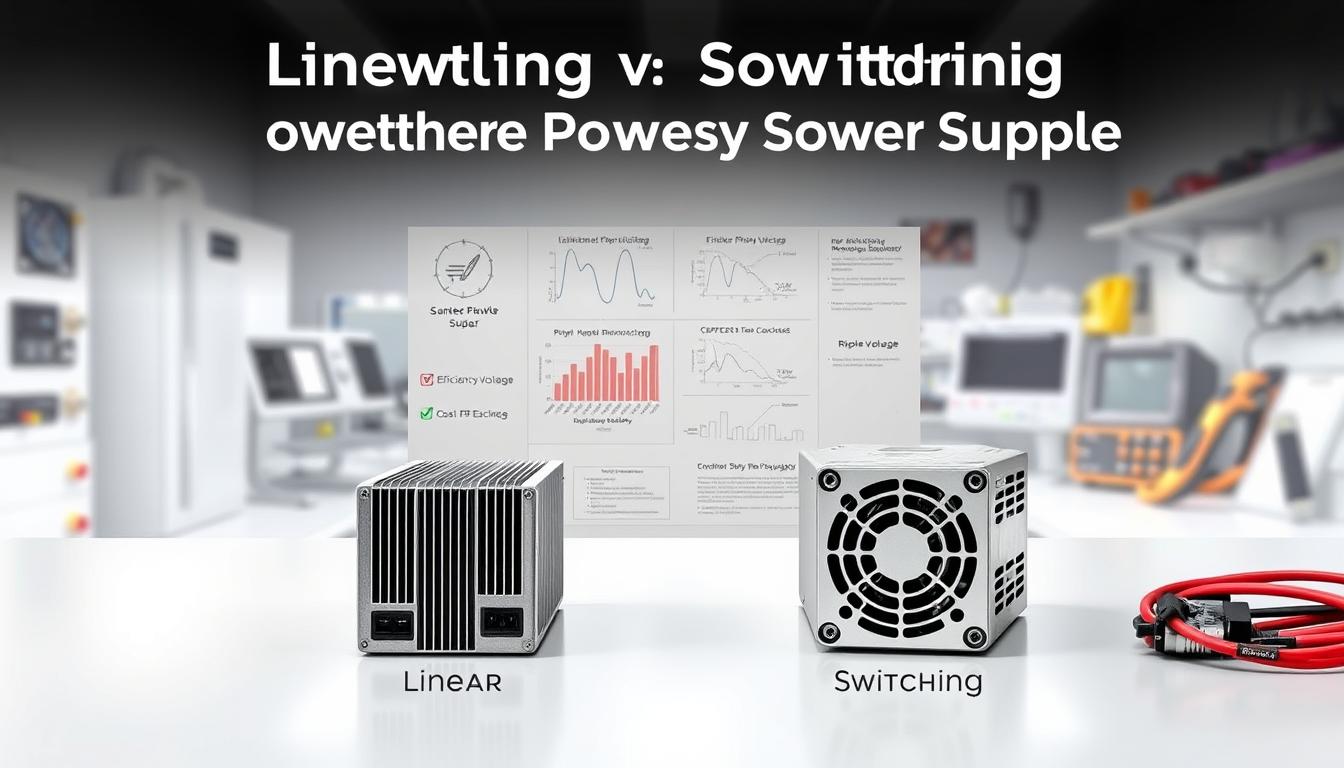
When evaluating a Linear vs Switching Power Supply, you must balance performance against your specific project requirements. Each technology offers distinct advantages that can significantly influence the success of your electronic design. We are here to help you navigate these technical trade-offs with confidence.
Performance Metrics Comparison Table
To simplify your decision-making process, we have organized the primary differences into a clear format. This overview highlights how these systems perform under standard operating conditions.
| Métrique | Linear Supply | Switching Supply |
|---|---|---|
| Efficacité | Low (40-60%) | High (80-95%) |
| Complexité | Simple | Complexe |
| Size/Weight | Heavy/Large | Compact/Light |
| Noise Level | Très faible | Modéré à élevé |
Noise and Ripple Characteristics
One of the most critical factors in sensitive applications is power supply noise. Linear supplies are renowned for their ability to produce minimal electrical interference, making them the gold standard for high-fidelity audio equipment and precision analog sensors.
In contrast, switching power supplies generate higher levels of ripple due to their high-frequency operation. While modern filtering techniques have improved this, they still require careful design to ensure that signal integrity remains uncompromised in your sensitive circuits.
Electromagnetic Interference (EMI) Considerations
Le high-frequency switching action inherent in modern power modules often leads to electromagnetic interference (EMI). This phenomenon can disrupt nearby wireless components or sensitive data lines if not properly managed during the layout phase.
To mitigate these risks, we recommend the following best practices for your hardware integration:
- Use proper shielding techniques to contain high-frequency emissions.
- Implement high-quality input and output filtering to reduce power supply noise.
- Ensure your PCB layout minimizes loop areas to lower electromagnetic interference (EMI).
Choisir le bon Linear vs Switching Power Supply ultimately depends on your specific goals for efficiency and signal purity. Our team is dedicated to helping you select the perfect solution for your unique application needs.
Efficiency and Thermal Management in Lighting
Efficiency is the heartbeat of modern lighting, and it directly influences how your fixtures perform over time. We focus on creating solutions that are not only smart but also sustainable. By prioritizing power conversion efficiency, we ensure that your home or business remains bright without wasting precious energy.
Energy Conversion Losses in Linear Systems
In many traditional setups, energy conversion losses are a significant hurdle. Linear systems often struggle to convert power without generating excess heat as a byproduct. This heat is essentially wasted energy that puts unnecessary stress on your electrical components.
When these systems run hot, they require more robust cooling solutions to prevent failure. We aim to minimize these losses to keep your environment comfortable and your energy bills low. Reducing heat generation is the first step toward a more reliable lighting experience.
Optimizing Thermal Dissipation for LED Drivers
Efficace gestion thermique is essential for maintaining the health of your hardware. If an LED driver runs too hot, its internal components degrade much faster than expected. We design our systems to dissipate heat efficiently, protecting the delicate electronics inside.
To keep your lighting cool and functional, consider these design strategies:
- Utilizing high-quality heat sinks to draw heat away from sensitive circuits.
- Ensuring proper airflow around the fixture housing to prevent heat buildup.
- Selecting components that operate with lower internal resistance.
- Implementing smart dimming features to reduce power draw during off-peak hours.
Impact of Efficiency on Long-Term Lighting Performance
The long-term LED driver performance of your system depends heavily on how well it handles heat. When a driver operates within its ideal temperature range, it lasts significantly longer. This reliability means fewer maintenance headaches and a more consistent light output for your space.
We believe that smart design choices today lead to a brighter and more worry-free experience for you tomorrow. By focusing on efficacité énergétique, we help you build a lighting setup that stands the test of time. Investing in better thermal design is a simple way to ensure your smart home remains a beacon of innovation and comfort.
Size, Weight, and Form Factor Considerations
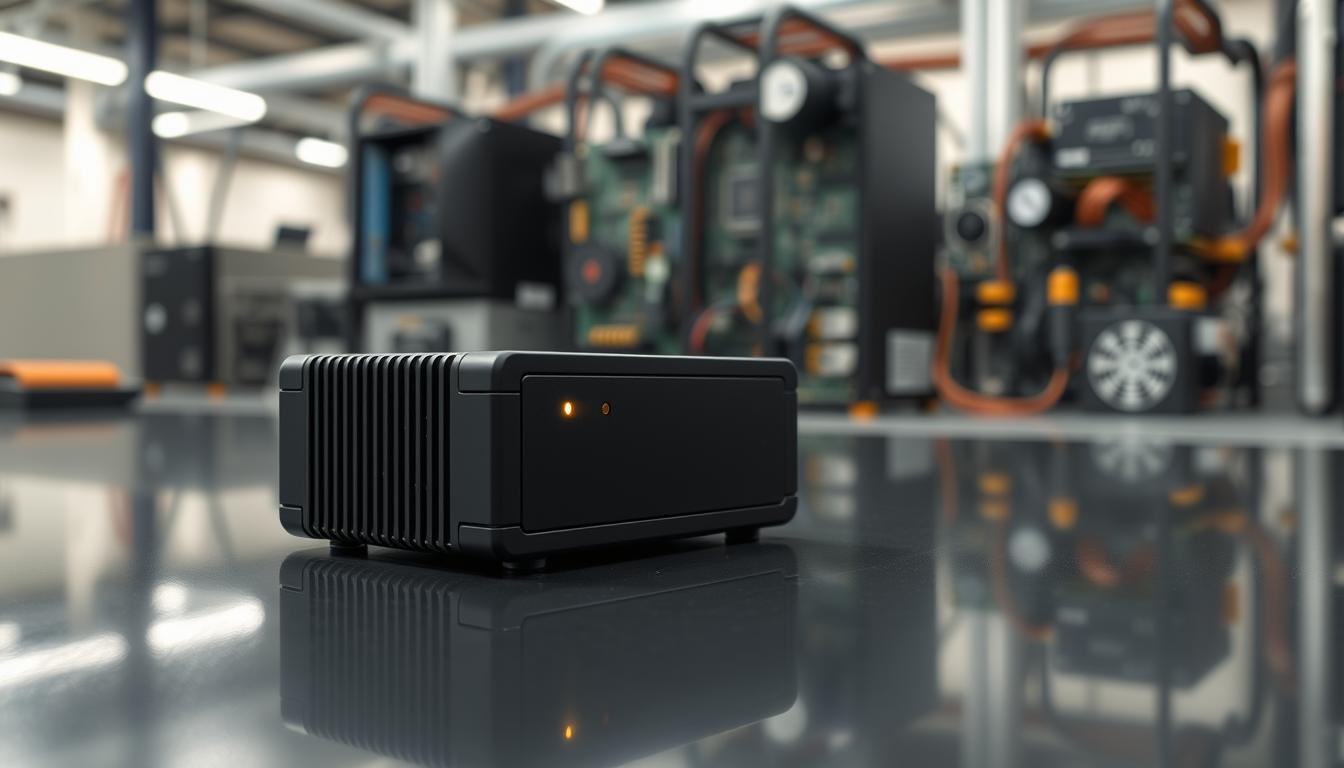
Compact power design is the secret behind the elegant, slim profiles of today’s most popular solutions d'éclairage intelligent. When you aim for a minimalist aesthetic, the internal components must be as efficient as they are small. We prioritize these factors to ensure your fixtures remain both functional and visually stunning.
Why Switching Supplies Dominate Compact Designs
Switching power supplies have become the industry standard because they are significantly smaller and lighter than traditional linear alternatives. By operating at high frequencies, these units require much smaller transformers and capacitors to manage energy. This dramatic reduction in physical footprint allows for more creative and flexible smart fixture integration.
Because these supplies generate less heat, they do not require bulky heat sinks. This efficiency gives designers the freedom to create thinner, more modern profiles. You can now hide power components directly inside slim LED housings without sacrificing performance or safety.
Integration Challenges for Smart Lighting Fixtures
Fitting high-performance electronics into tight spaces presents unique hurdles for any engineering team. We must carefully manage thermal dissipation to ensure the longevity of your solutions d'éclairage intelligent. Proper airflow is often limited in enclosed fixtures, making gestion thermique a top priority during the design phase.
Achieving seamless smart fixture integration also requires shielding sensitive components from electromagnetic interference. We focus on high-quality shielding techniques to maintain signal integrity for your wireless controls. By balancing these technical requirements, we help you achieve a clean, professional look that meets the highest standards of reliability.
Cost-Effectiveness and Reliability
We understand that every business decision hinges on the balance between upfront costs and lasting value. Selecting the right hardware for your facility requires a clear view of how your choices impact your bottom line over time. Our goal is to help you navigate these trade-offs to find the most efficient solution pour vos besoins spécifiques.
Initial Investment vs Operational Savings
When comparing hardware, you will notice that a switching power supply often carries a higher initial price tag than its linear counterpart. However, this upfront investment is frequently offset by significant operational savings. Because these units operate with much higher efficiency, they consume less electricity and generate less waste heat during daily use.
En revanche, un linear power supply might seem more affordable at the point of purchase. While they are simple and effective, their lower efficiency often leads to higher energy bills over the life of the product. We encourage you to look at the total cost of ownership rather than just the sticker price to ensure your business remains competitive.
Lifespan and Maintenance Requirements in Industrial Settings
Power supply reliability is a critical factor when managing large-scale facilities. Industrial environments demand equipment that can withstand constant use without frequent intervention. While switching models offer modern efficiency, linear units are sometimes preferred in niche applications where extreme simplicity and long-term stability are the primary goals.
Efficace industrial lighting maintenance depends on choosing components that match your operational environment. We work closely with you to evaluate how often your systems require service and which technology minimizes downtime. By prioritizing durability, we help you build a lighting infrastructure that is both cost-effective and dependable for years to come.
Expert Consultation and Support for Smart Lighting
Bringing your creative lighting concepts to life requires more than just hardware; it demands a dedicated partnership. We are here to help you navigate the technical landscape of power conversion with ease and confidence.
Partnering with IMLTLED for Custom Solutions
Our team specializes in providing custom lighting support to ensure your specific project requirements are met with precision. Whether you are designing a complex smart home system or an industrial installation, we offer the guidance needed to select the ideal power supply.
We focus on innovation and reliability to make your journey toward smarter lighting both simple and enjoyable. By working closely with our engineers, you gain access to solutions that are optimized for your unique performance goals.
Contacting Our Technical Support Team
We are always ready to assist you with any questions regarding our products or design challenges. You can reach out to us through several convenient channels to get the custom lighting support you deserve:
- Website Resources: Visit us at www.imltled.com to explore our full range of technical documentation and product guides.
- Direct Communication: Send a message via WhatsApp at 0086 185 8848 3178 for quick, real-time assistance.
- Email Inquiries: Reach out to [email protected] for detailed project consultations, and our team will respond promptly.
Website Resources at www.imltled.com
Our online portal serves as a hub for all your technical needs, offering insights into our latest power supply technologies.
Communication directe via WhatsApp au 0086 185 8848 3178
Connect with our experts instantly to discuss your project specifications and receive immediate professional feedback.
Email Inquiries at [email protected]
For comprehensive support or complex inquiries, our email team is dedicated to providing thorough and helpful responses to keep your project moving forward.
Conclusion
Selecting the right power supply remains a vital step in creating high-performance smart lighting systems that stand the test of time. Your choice dictates the reliability and longevity of your entire installation.
We believe that understanding the unique benefits of both linear and switching technologies empowers you to make informed decisions. These choices align perfectly with your specific efficiency and design goals.
Our team at IMLTLED remains committed to being your partner in innovation. We ensure your projects stay simple to implement and delightful to use for every user.
Let us help you illuminate your world with solutions that are as reliable as they are advanced. Reach out to us today to start building a brighter, more efficient future for your lighting environment.