
Embarking on a home remodeling project often brings up the challenge of selecting the perfect fixtures. You want a clean, polished look that elevates your interior design without unnecessary complications.
Many homeowners find themselves debating between traditional housing fixtures and the newer, streamlined alternatives. Understanding the differences in installation and performance is essential for achieving your vision of modern home lighting.
We believe that upgrading your environment should be a simple and stress-free experience. Whether you prioritize deep-set aesthetics or low-profile efficiency, choosing the right Can vs Canless Recessed Lighting setup will transform your living space into a bright, welcoming sanctuary.
Principaux enseignements
- Traditional fixtures offer a classic look but require more ceiling clearance.
- Modern alternatives provide a sleek, low-profile appearance for contemporary homes.
- Installation complexity varies significantly between the two styles.
- Energy efficiency and heat management are key factors in your final decision.
- Proper planning ensures your renovation project remains on schedule and within budget.
Understanding the Evolution of Recessed Lighting
Recessed lighting has evolved significantly, moving from bulky metal components to sleek, modern solutions that define contemporary home design. We have witnessed a major shift in how we illuminate our living spaces, moving away from complex installations toward streamlined efficiency.
The Traditional Can Housing System
For decades, the standard approach involved a heavy metal recessed light housing installed directly into the ceiling joists. These fixtures required significant clearance and were often difficult to retrofit into existing structures. While they provided a reliable way to hide light sources, the physical bulk of the metal cans often limited where they could be placed.
The Rise of Canless LED Technology
The introduction of modern Technologie LED has completely changed the landscape of interior lighting. By removing the need for a bulky metal housing, manufacturers created ultra-slim fixtures that fit almost anywhere. This innovation allows for greater flexibility, as these lights can be installed regardless of joist placement or attic insulation constraints.
We believe that embracing this éclairage encastré evolution makes home improvement projects much more manageable. The transition to advanced Technologie LED not only saves space but also enhances the overall aesthetic of your home. Below is a quick comparison of these two distinct eras of lighting design.
| Fonctionnalité | Traditional Can | Canless LED |
|---|---|---|
| Installation Depth | Deep (6-8 inches) | Ultra-slim (0.5-1 inch) |
| Housing Requirement | Required | Non requis |
| Efficacité énergétique | Modéré | Haut |
| Versatilité | Limited by Joists | Grande flexibilité |
Can vs Canless Recessed Lighting: A Detailed Comparison
Understanding the core differences between these two lighting systems is the first step toward a beautiful ceiling. Whether you are renovating an old home or building a new space, the choice between Can vs Canless Recessed Lighting will define your room’s character. We want to help you navigate these options to ensure your final result is both functional and visually stunning.
Design and Aesthetic Differences
The primary impact on your home’s lighting aesthetics comes down to the physical profile of the fixture. Traditional cans create a deep, recessed look that can feel somewhat industrial or heavy in lower ceilings. They often require a larger trim piece, which draws more attention to the ceiling itself rather than the light being cast.
In contrast, modern canless LED fixtures offer an ultra-slim profile that sits flush against the drywall. This minimalist approach creates a clean, seamless look that makes rooms feel larger and more open. By removing the bulky housing, you achieve a sophisticated, modern finish that blends perfectly with any interior design style.
Installation Complexity and Requirements
When we look at installation complexity, the two systems offer very different experiences for the installer. Traditional cans require significant space above the ceiling to accommodate the heavy metal housing. You must often navigate around existing joists, which can turn a simple project into a major construction hurdle.
Canless LED fixtures are designed for efficiency and ease of use. Because they do not require a bulky housing, they can be installed almost anywhere, even directly under a joist. This flexibility significantly reduces the time and effort needed to complete your lighting project.
| Fonctionnalité | Traditional Can | Canless LED |
|---|---|---|
| Profile | Deep/Bulky | Ultra-Slim |
| Installation | Complex/Joist-dependent | Simple/Flexible |
| Aesthetic | Classic/Industrial | Modern/Minimalist |
| Space Needed | Haut | Minimal |
Analyzing Traditional Can Recessed Lighting
Exploring the anatomy of a standard recessed light housing reveals why this design has remained a staple in home architecture for decades. While newer technologies are emerging, the classic approach offers a level of familiarity that many designers still appreciate for specific aesthetic goals.
Components of a Standard Can Fixture
A traditional setup consists of three primary parts: the housing, the trim, and the light source. The housing is the metal canister installed inside the ceiling joists, acting as the structural foundation for the entire unit.
The trim is the visible part that sits flush against the ceiling, which helps direct the light and hides the internal components. Finally, the bulb is inserted into a socket within the canister, allowing for customizable brightness and beam angles.
Pros of Using Traditional Housings
One of the biggest advantages of this system is the ability to replace bulbs individually. If a light burns out, you simply swap the bulb rather than replacing the entire fixture, which is a cost-effective long-term solution.
Furthermore, traditional éclairage encastré provides a deep, recessed look that many homeowners find visually appealing. This depth helps reduce glare, creating a softer and more comfortable atmosphere in living areas.
Cons and Limitations of Can Fixtures
Despite their classic appeal, these fixtures come with notable challenges. The most significant issue is the requirement for substantial ceiling clearance, which can be a major hurdle in homes with low ceilings or tight joist spacing.
Because the housing is bulky, it often disrupts insulation layers, potentially leading to energy loss. Additionally, the enclosed nature of the canister can trap heat, which may shorten the lifespan of certain bulb types if not properly managed.
The Advantages of Canless LED Recessed Lighting
Canless Technologie LED represents a significant leap forward for homeowners who value both style and performance. When planning your next home remodeling project, choosing the right fixtures can transform the entire atmosphere of your property. We find that these modern solutions offer a level of flexibility that traditional systems simply cannot match.
Ultra-Slim Profile and Space Efficiency
One of the most impressive features of these fixtures is their sleek, low-profile design. Because they do not require a bulky metal housing, they are perfect for shallow ceilings where space is at a premium. You no longer need to worry about navigating around joists or ductwork hidden behind your drywall.
This design choice allows for a cleaner, more minimalist look that complements contemporary interior styles. By eliminating the need for a heavy can, you gain valuable vertical space and reduce the complexity of your ceiling layout. It is a simple mais efficace way to modernize your home without extensive structural changes.
Energy Efficiency and Heat Dissipation
Nous privilégions l'éclairage économe en énergie because it lowers your utility bills while reducing your environmental footprint. These fixtures utilize advanced integrated LED technology to produce bright, consistent light while consuming significantly less power than traditional bulbs. This efficiency also results in less heat generation, which protects your ceiling materials and extends the life of the fixture.
- Lower power consumption compared to incandescent or halogen alternatives.
- Superior thermal management that prevents overheating in enclosed spaces.
- Longer operational lifespan due to reduced thermal stress on internal components.
Versatility in Placement and Application
The adaptability of these lights makes them a favorite for various rooms throughout your property. Whether you are illuminating a kitchen, a hallway, or a basement, these fixtures provide consistent performance. Their moisture-resistant properties often make them suitable for areas where traditional housings might struggle.
We encourage you to consider how these versatile tools can enhance your home remodeling goals. By incorporating integrated LED solutions, you ensure that your space remains bright, functional, and stylish for years to come. Embracing this technology is a smart move for any homeowner looking to combine beauty with high-performance utility.
Installation Requirements for Canless Fixtures
Transforming your ceiling with sleek, canless LED lights is a simple process when you understand the core requirements. We aim to reduce installation complexity so you can enjoy your new lighting without unnecessary stress. By following a few basic steps, you can achieve a professional look that elevates any room in your home.
Working with Existing Ceiling Joists
One of the biggest advantages of canless technology is its flexibility regarding structural framing. Unlike traditional housings that require specific spacing, these ultra-slim fixtures are designed to fit between most standard joists.
Before you begin, it is vital to verify your ceiling clearance. You should ensure there is enough room for the junction box to sit comfortably above the drywall. Planning your layout ahead of time helps you avoid hitting joists and ensures a perfectly symmetrical finish.
Wiring and Junction Box Integration
Modern canless fixtures simplify the electrical side of your project by using an external junction box. This component connects directly to your existing house wiring, making the process much faster than older methods.
- Ensure power is turned off at the breaker before starting.
- Use the provided quick-connect terminals for secure wire management.
- Tuck the junction box neatly into the ceiling cavity through the cutout hole.
Safety Considerations for Retrofitting
Safety is our top priority when you are upgrading your home. Always confirm that your chosen fixtures are rated for the specific environment where they will be installed, especially in areas with insulation.
Correct ceiling clearance is not just about fit; it is also about thermal management. By maintaining adequate space around the fixture, you ensure long-term performance and safety. If you ever feel unsure about the electrical connections, consulting a professional is always a smart move to keep your home compliant and secure.
Performance Metrics: Brightness and Color Temperature
Achieving the perfect atmosphere in your home starts with mastering the technical side of your lighting. When you select fixtures, you are not just picking a design; you are choosing how your space will feel throughout the day. By focusing on key performance metrics, you can ensure your éclairage ambiant creates a welcoming and functional environment for every room.
Lumens and Light Output Comparison
In the past, we relied on wattage to judge how bright a bulb would be. Today, we look at lumens, which measure the actual amount of light emitted by the fixture. Higher lumen counts mean a brighter space, while lower counts provide a softer, more relaxed glow.
While canless recessed lights offer a fixed beam angle, they excel at providing uniform éclairage ambiant across a room. Because they distribute light evenly, they eliminate dark corners and create a balanced look that traditional fixtures often struggle to achieve.
Adjustable Color Temperature Options
Color temperature, measured in Kelvin (K), dictates the “mood” of your light. You can choose between warm, inviting tones for living areas or crisp, cool tones for task-oriented spaces like kitchens and home offices.
Many modern canless solutions now feature selectable color temperatures. This innovation allows you to toggle between settings directly on the fixture before installation. You have the flexibility to customize your home’s aesthetic without needing to replace the entire unit later.
Dimming Compatibility and Flicker Issues
The ability to control your light intensity is essential for comfort. High-quality LED fixtures are designed to work with modern dimmers, allowing you to transition from bright task lighting to soft éclairage ambiant en quelques secondes.
However, not all dimmers are created equal. To avoid annoying flicker issues, always verify that your chosen LED fixture is compatible with your specific dimmer switch. Investing in high-quality, dimmable hardware ensures a smooth, stable light output that enhances your daily experience.
Durability and Lifespan of Modern LED Solutions
We want to help you make smart choices by exploring the durability and long-term reliability of today’s advanced lighting technology. Planning for maintenance de l'éclairage is a vital step in ensuring your home remains bright and welcoming without constant interruptions.
Integrated LED Chips vs Replaceable Bulbs
Modern fixtures often feature an integrated LED design, which offers a sleek, low-profile look that traditional bulbs simply cannot match. Because the light source is built directly into the fixture, these units are incredibly efficient and compact.
It is important to note that if the LED fails in a canless fixture, you will need to replace the entire unit. While this might sound like a drawback, the exceptional lifespan of these chips means you will likely go many years before needing a replacement.
Moisture Resistance and Wet-Rated Options
When installing lights in areas prone to humidity, such as bathrooms or covered porches, you must prioritize safety and longevity. Choosing wet-rated lighting ensures that your fixtures are sealed against moisture and steam.
These specialized units prevent corrosion and electrical shorts, which are common issues in damp environments. Investing in the correct rating from the start is the best way to protect your home and your peace of mind.
Maintenance Needs Over Time
Keeping your home bright is simple when you understand the basic needs of your system. Most modern LED solutions require very little effort, as they are designed to be virtually maintenance-free for their entire operational life.
We recommend periodic dusting of the trim to ensure optimal light output and clarity. By choosing high-quality components today, you ensure that your lighting system remains a reliable and beautiful part of your home for years to come.
Cost Analysis: Initial Investment vs Long-Term Savings
When planning your home renovation, the true cost of lighting goes far beyond the price tag on the box. We encourage you to look at the total lifecycle of your fixtures to make an informed decision. By balancing initial expenses with future gains, you can ensure your home remains both beautiful and budget-friendly.
Upfront Material and Labor Costs
Traditional recessed housings often appear cheaper at the point of sale, but they require more components. You must purchase the housing, the trim, and the bulb separately. This adds complexity to your shopping list and increases the time spent on the project.
In contrast, canless fixtures are all-in-one solutions. While the unit price might be slightly higher, you save significantly on labor. Because these units are easier to install, you spend less time on ladders and wiring, which is a major win for your renovation budget.
Energy Consumption and Utility Bill Impact
The most significant advantage of modern technology is the shift toward l'éclairage économe en énergie. These systems consume far less electricity than older incandescent or halogen bulbs. Over time, this reduction in power usage leads to noticeable drops in your monthly utility bills.
We recommend calculating your potential savings based on your local electricity rates. Even small changes in wattage per fixture add up quickly when you have multiple lights in a room. Choosing l'éclairage économe en énergie is not just good for the planet; it is a smart financial strategy for any homeowner.
Replacement Costs and Maintenance Savings
Maintenance is often overlooked until a bulb burns out in a hard-to-reach ceiling. Traditional cans require frequent bulb changes, which can be both frustrating and costly over the years. Modern LED fixtures are designed for longevity, often lasting for decades without needing a replacement.
By switching to integrated LED systems, you eliminate the need to buy replacement bulbs entirely. This maintenance-free approach allows you to enjoy your space without worrying about burnt-out lights. Consider the following comparison to see how these factors stack up:
| Fonctionnalité | Traditional Can | Canless LED |
|---|---|---|
| coût initial | Faible | Modéré |
| Installation Time | Haut | Faible |
| Utilisation de l'énergie | Haut | Très faible |
| Entretien | Fréquent | Minimal |
Ultimately, the transition to l'éclairage économe en énergie provides a clear path to long-term savings. While the initial investment for high-quality canless fixtures might be higher, the reduction in labor, energy, and maintenance costs makes them the superior choice for your home.
Design Considerations for Different Rooms
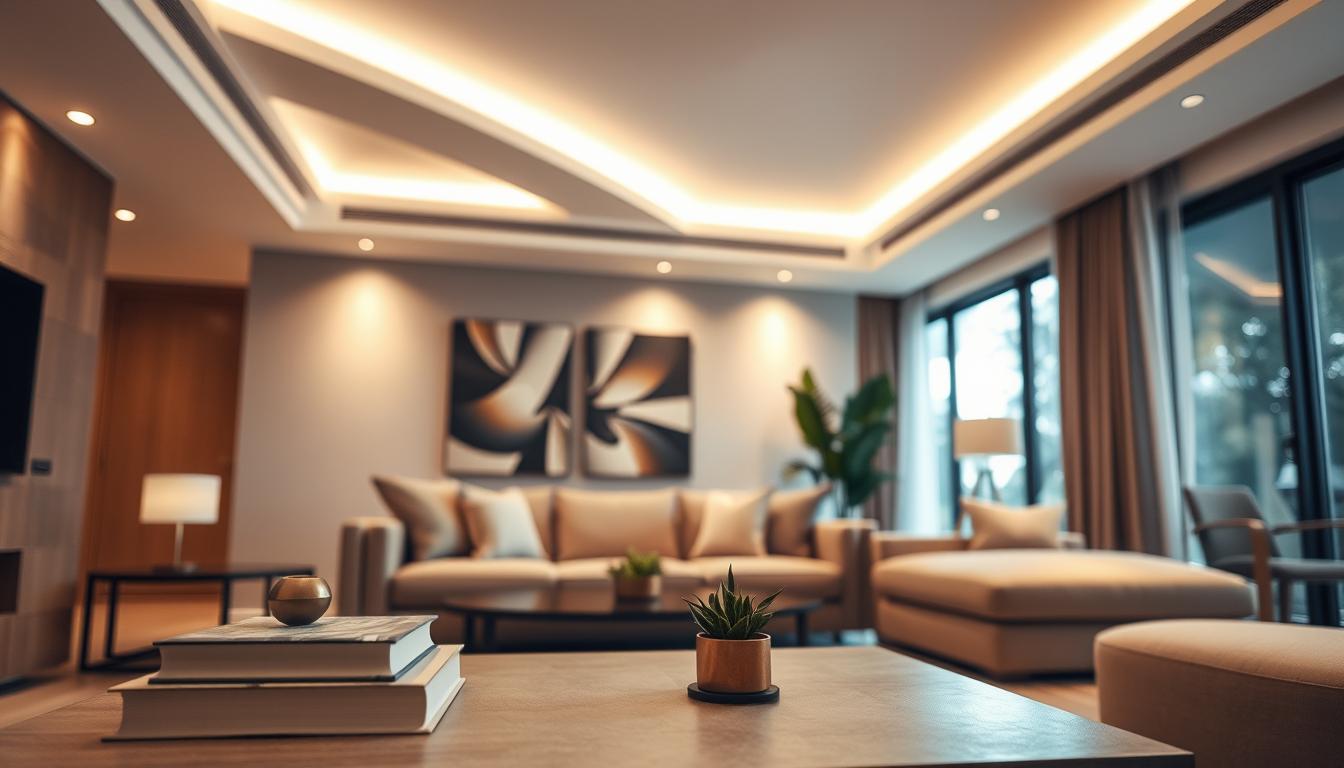
We believe that great lighting is the secret ingredient to transforming any house into a comfortable, functional home. Every space serves a unique purpose, and your modern home lighting plan should reflect those specific needs to ensure both efficiency and comfort.
Kitchen and Task Lighting Strategies
The kitchen is the heart of the home, requiring bright, focused illumination to make food preparation safe and enjoyable. We recommend installing recessed fixtures directly over countertops and islands to eliminate shadows while you work.
By placing lights strategically, you ensure that your workspace remains clear and well-lit. La précision est essentielle when selecting the right beam angle to keep your focus exactly where it needs to be.
Living Room and Ambient Lighting Layouts
Your living room serves as a sanctuary for relaxation, making éclairage ambiant essential for setting the right mood. A balanced layout uses soft, diffused light to create a warm and inviting atmosphere for your family and guests.
Enhancing your lighting aesthetics involves layering different light sources to add depth to the room. We suggest using dimmable fixtures so you can easily transition from bright daytime activities to cozy evening movie nights.
Bathroom and Specialized Wet-Location Needs
Bathrooms present unique challenges due to high humidity and the presence of water. It is vital to prioritize safety by choosing wet-rated lighting that is specifically designed to withstand moisture exposure.
These fixtures provide the durability you need without sacrificing style or performance. Proper sealing ensures that your lighting system remains reliable and safe, giving you peace of mind in your most private spaces.
Common Challenges and Troubleshooting
We believe that being prepared for common installation challenges makes your home improvement journey much smoother. While modern fixtures are designed for ease, you may occasionally encounter physical constraints that require a bit of extra attention. Proactive planning is the best way to ensure long-term success and simplify your future maintenance de l'éclairage.
Dealing with Insulation Contact
Safety is our top priority when working with any electrical system. If you are installing lights in an attic or a space with loose-fill insulation, you must use IC-rated (Insulation Contact) fixtures. Standard lights can overheat if they touch insulation, which creates a significant fire hazard.
Always verify that your chosen LED models are specifically labeled for direct contact with insulation. If you are unsure about your current setup, we recommend consulting a professional to ensure your home remains safe and compliant with local building codes.
Addressing Ceiling Obstructions
Hidden obstacles like wooden joists, plumbing pipes, or HVAC ducts can often disrupt your planned layout. Before you cut any holes, use a stud finder to map out the structure behind your drywall. Maintaining proper ceiling clearance is essential to ensure the fixture fits flush and looks professional.
- Use a non-contact voltage tester to avoid hidden electrical wires.
- Adjust your layout slightly if you encounter a structural joist.
- Consider ultra-slim, canless designs if you have very limited depth.
Ensuring Proper Airflow and Thermal Management
Even though Technologie LED is highly efficient, these components still generate heat that needs to escape. Proper airflow around the back of the fixture prevents premature failure of the internal drivers. If you pack insulation too tightly around a non-IC fixture, you risk damaging the electronics.
By following these simple guidelines, you can avoid common pitfalls and enjoy a reliable system. Remember that consistent maintenance de l'éclairage and proper installation are the keys to a bright, worry-free home environment. We are always here to help you resolve any technical issues that may arise during your project.
Expert Support and Professional Guidance
We believe that choosing the perfect illumination for your home should be a simple and rewarding experience. Whether you are planning a full renovation or just upgrading a single room, having access to solutions d'éclairage intelligent makes all the difference. Our team is dedicated to ensuring your project succeeds from the initial concept to the final installation.
Consulting with IMLT LED Experts
You deserve professional guidance that understands your unique vision. Our experts are passionate about helping you navigate the complexities of modern fixtures and energy-efficient designs. We work closely with you to identify the best solutions d'éclairage intelligent that fit your specific architectural needs.
Reaching Out for Technical Specifications
Technical details can often be confusing, but we are here to clarify every aspect of your hardware. If you need precise data on color temperatures, dimming compatibility, or installation requirements, our team provides clear and accurate information. We pride ourselves on making technical data easy to understand for every homeowner.
Contacting IMLT LED via Website, WhatsApp at 0086 185 8848 3178, or Email at [email protected]
Getting in touch with us is quick and convenient. We offer multiple channels to ensure you receive the support you need exactly when you need it. Our commitment to excellent service client means we are always just a message away.
| Support Channel | Contact Detail | Meilleur pour |
|---|---|---|
| Site web | www.imltled.com | Product Catalog |
| 0086 185 8848 3178 | Quick Questions | |
| Courriel | [email protected] | Technical Specs |
| Service Type | Solutions d'éclairage intelligent | Expert Advice |
Conclusion
Choisir le bon éclairage encastré is a vital step toward building the home of your dreams. You now possess the knowledge to weigh your specific space, budget, and efficiency goals against available technology.
Making a confident choice will elevate your living environment for years to come. We are proud to help you navigate these options to find the perfect solutions d'éclairage intelligent for your unique needs.
Our team remains dedicated to illuminating your life with innovation and ease. You can reach out to us anytime to discuss how our solutions d'éclairage intelligent fit into your next renovation project.
We look forward to helping you create a brighter and more efficient future. Your vision for a modern home is within reach with the right tools and expert guidance.