
Scegliere l'illuminazione giusta per la propria casa o attività commerciale spesso sembra un puzzle complesso. Noi crediamo che illuminare il tuo spazio Dovrebbe essere un'esperienza semplice e gratificante che arricchisce la tua vita quotidiana. Padroneggiando due parametri fondamentali, acquisirai il potere di creare l'atmosfera perfetta con totale sicurezza.
Ci concentriamo su questi standard tecnici per aiutarti a fare scelte più intelligenti per ogni stanza. Comprensione Kelvin e lumen consente di bilanciare la luminosità con temperatura del colore In modo efficace. Il nostro obiettivo è semplificare questi concetti in modo che possiate concentrarvi sulla creazione di un ambiente accogliente che rifletta il vostro stile unico.
Punti di forza
- La luminosità si misura in base alla quantità totale di luce emessa da una lampadina.
- Temperatura di colore determina se la luce risulta calda o fredda.
- Valori più alti nella scala di luminosità corrispondono a un'illuminazione più intensa.
- Inferiore temperatura del colore L'ambiente circostante crea un'atmosfera accogliente e rilassante.
- Una scelta oculata dell'illuminazione migliora sia l'efficienza energetica che il comfort.
Introduzione a Kelvin e Lumen
Crediamo che ogni proprietario di casa possa ottenere risultati di illuminazione professionali imparando due concetti chiave. Padroneggiarli misurazioni dell'illuminazione è il primo passo verso la creazione di uno spazio che risulti al contempo innovativo e confortevole.
Concentrandosi su questi parametri, è possibile conciliare facilmente l'estetica con le esigenze funzionali di qualsiasi ambiente. Questo approccio garantisce che la vostra casa rimanga un'oasi di luce ed efficienza.
Cosa sono i Kelvin e i Lumen?
Per padroneggiare l'ambiente domestico, devi concentrarti su comprensione dell'emissione luminosa attraverso due parametri specifici. Il Kelvin misura la temperatura di colore della luce, determinando se una luce appare calda o fredda.
I lumen, d'altra parte, misurano la quantità totale di luce visibile emessa da una sorgente. Pensa ai lumen come alla luminosità effettiva della tua lampadina, mentre Kelvin definisce il Umore di quella luminosità.
Importanza nella progettazione illuminotecnica
Una corretta progettazione dell'illuminazione è l'ingrediente segreto per una casa ben arredata. Trovando il giusto equilibrio, si valorizzano l'architettura e la funzionalità degli spazi abitativi.
Utilizzando questi misurazioni dell'illuminazione Ti permette di personalizzare ogni angolo della tua casa in base alle tue esigenze specifiche. Che tu abbia bisogno di una luce intensa e funzionale per la cucina o di una luce soffusa per la camera da letto, la scelta giusta fa la differenza.
Panoramica delle loro differenze
È frequente confondere questi termini, ma in realtà hanno scopi molto diversi in casa. Mentre i lumen indicano la quantità di luce che ricevi, i Kelvin ne indicano il colore.
Comprensione dell'emissione luminosa Richiede di valutare questi due fattori in team. Uno apporta l'intensità, mentre l'altro il carattere, permettendo di creare un'atmosfera davvero personalizzata.
Capire Kelvin: la temperatura del colore
Il segreto di un interno perfettamente bilanciato spesso risiede nella scienza della luce. Quando progetti una stanza, non stai solo scegliendo i mobili; stai curando un'esperienza che si basa fortemente su temperatura del colore. Padroneggiando questi dettagli tecnici, puoi trasformare qualsiasi ambiente in uno spazio che supporti veramente il tuo benessere e la produttività giornaliera.
Definizione di Kelvin
Nel mondo dell'illuminazione, il Kelvin è l'unità di misura utilizzata per descrivere la tonalità di una sorgente luminosa. Ci indica se una lampadina emette una luce calda e giallastra o una luce fredda e bluastra. Questa misurazione è fondamentale per il modo in cui percepiamo le caratteristiche dell'ambiente circostante.
“La luce è lo strumento più potente a disposizione di un interior designer, capace di cambiare l'atmosfera di una stanza in un istante.”
La scala Kelvin spiegata
Il scala Kelvin Funziona come una guida numerica per l'aspetto della luce. I numeri più bassi sulla scala rappresentano tonalità più calde e arancioni, mentre i numeri più alti tendono a una luce più fredda, bianco-bluastra. Comprendere questa progressione permette di prendere decisioni consapevoli sull'atmosfera che si desidera creare.
Immaginate la scala come un viaggio dall'alba al mezzogiorno. Man mano che i numeri aumentano, la luce diventa più intensa e nitida, ideale per ambienti in cui è necessario svolgere diverse attività.
Esempi di valori Kelvin nell'illuminazione
Per aiutarvi a visualizzare queste differenze, abbiamo creato una guida alle temperature di colore più comuni per l'illuminazione. Scegliere il valore corretto vi garantirà l'atmosfera desiderata in casa o in ufficio.
| Gamma Kelvin | Aspetto leggero | Il miglior caso d'uso |
|---|---|---|
| 2000K – 3000K | Bianco caldo | Soggiorni e camere da letto |
| 3500K – 4500K | Bianco neutro | Cucine e aree di lavoro |
| 5000K - 6500K | Luce diurna | Garage e lavori di precisione |
Utilizzando il scala Kelvin In effetti, ottieni il controllo completo sul tuo design d'interni. Che tu voglia un rifugio accogliente o un ufficio luminoso e concentrato, regolando il tuo temperatura del colore è il modo più semplice per raggiungere i tuoi obiettivi.
Il ruolo dei lumen nella luminosità
Se vuoi padroneggiare l'illuminazione della tua casa, è ora di smettere di guardare i watt e iniziare comprensione dell'emissione luminosa. Per anni ci siamo affidati al wattaggio per stimare la luminosità di una lampadina, ma con la tecnologia moderna questo metodo non è più accurato. Concentrandoci sui lumen, possiamo ottenere il perfetto equilibrio di illuminazione per qualsiasi ambiente.
Cosa sono i lumen?
I lumen rappresentano la quantità totale di luce visibile emessa da una sorgente. A differenza dei watt, che misurano solo l'energia consumata da una lampadina, i lumen indicano esattamente quanta luce si ottiene. Quando si ravviva la tua casa con Decorazione intelligente degli edifici: concentrarsi su questo parametro garantisce che il vostro spazio risulti vibrante e accogliente.
Come i lumen misurano l'emissione luminosa
Il scala di luminosità è lo standard che utilizziamo per determinare quanta luce fornisce un apparecchio. Un valore di lumen più elevato significa una luce più brillante, mentre un valore inferiore crea una luce più morbida e intima. Padroneggiare questo intensità luminosa ti permette di personalizzare il tuo ambiente in base alle tue esigenze specifiche, sia che tu stia lavorando in un ufficio domestico o rilassandoti in camera da letto.
Confronto tra lumen e watt
Il dibattito di Lumen contro wattaggio è essenziale per chiunque voglia migliorare l'efficienza energetica. Le tradizionali lampadine a incandescenza richiedevano un wattaggio elevato per produrre una luminosità decente, ma i moderni LED forniscono la stessa resa con una frazione della potenza. Questa transizione ti aiuta a risparmiare sui costi dell'elettricità mantenendo il livello perfetto di intensità luminosa nella tua casa.
| Tipo di sorgente luminosa | Peso tipico | Lumen tipici | Livello di efficienza |
|---|---|---|---|
| Incandescent | 60W | 800 lm | Basso |
| CFL | 14W | 800 lm | Medio |
| GUIDATO | 9W | 800 lm | Alto |
Utilizzando il scala di luminosità Per guidarvi nelle vostre scelte, eviterete gli errori più comuni, come illuminare eccessivamente o insufficientemente una stanza. Vi consigliamo di controllare il valore in lumen riportato sulla confezione per assicurarvi che il vostro prossimo acquisto sia efficiente e perfettamente adatto al vostro stile di vita. Comprensione dell'emissione luminosa è il modo più semplice per migliorare l'illuminazione della tua casa oggi stesso.
Come Kelvin influenza l'umore e l'atmosfera
Il segreto per trasformare il tuo spazio abitativo sta nel padroneggiare la sottile arte di temperatura del colore. Oltre a illuminare semplicemente una stanza, la luce che scegli agisce come un architetto silenzioso delle tue esperienze quotidiane. Vogliamo aiutarti a creare un ambiente che si adatti perfettamente alle tue esigenze personali e al tuo stile di vita.
Luce calda contro luce fredda
La luce calda in genere si colloca nella parte inferiore dell' scala Kelvin, producendo una luce soffusa e invitante che imita il tramonto. Questo tipo di illuminazione è perfetto per il relax, Questo lo rende la scelta ideale per camere da letto o zone giorno dove si desidera rilassarsi dopo una lunga giornata. Crea un senso di intimità e comfort che aiuta il corpo a prepararsi al riposo.
Al contrario, la luce fredda si trova all'estremità superiore dello spettro, offrendo un aspetto nitido e luminoso che ricorda la luce del giorno. Questo temperatura del colore È particolarmente efficace per gli spazi dedicati al lavoro, come uffici domestici, cucine o officine. Scegliendo tonalità più fredde, è possibile migliorare naturalmente la concentrazione e mantenere alti livelli di energia durante le sessioni lavorative.
L'impatto psicologico della temperatura del colore
Il tuo cervello reagisce alla luce in modi profondi, spesso senza che tu te ne renda nemmeno conto. I toni caldi segnalano alla tua mente che è ora di rallentare, il che riduce lo stress e promuove un stato di calma. Al contrario, la luce più fredda sopprime la produzione di melatonina, mantenendoti vigile e pronto ad affrontare progetti complessi con lucidità.
Capire come bilanciare questi toni ti permette di progettare una casa che supporti il tuo benessere. Che tu abbia bisogno di un santuario per la pace o di un centro per la produttività, il giusto temperatura del colore Fa tutta la differenza. Crediamo che semplici regolazioni dell'illuminazione possano rendere la tua routine quotidiana più semplice e piacevole.
| Tipo leggero | Gamma Kelvin | Il miglior caso d'uso | Effetto psicologico |
|---|---|---|---|
| Bianco caldo | 2700K - 3000K | Soggiorni | Relax |
| Bianco neutro | 3500K – 4000K | Cucine | Concentrazione equilibrata |
| Luce diurna | 5000K - 6500K | Uffici domestici | Stato di allerta elevato |
Scegliere la giusta temperatura di colore Kelvin per il tuo ambiente
Selezionare la giusta temperatura di colore è un passaggio fondamentale per creare l'atmosfera perfetta in qualsiasi ambiente. Sappiamo che orientarsi tra le specifiche tecniche può sembrare complicato, ma siamo qui per semplificare il processo. Semplice e senza stress. Abbinando il valore Kelvin alla specifica funzione del tuo ambiente, puoi trasformare la percezione e le prestazioni di uno spazio.
Illuminazione per diverse stanze
Negli ambienti residenziali, l'obiettivo è spesso quello di bilanciare comfort e funzionalità. Per camere da letto e zone giorno, raccomandiamo tonalità più calde, in genere tra 2700K e 3000K, per favorire un ambiente rilassante e accogliente. Questi valori Kelvin più bassi imitano la luce soffusa delle tradizionali lampadine a incandescenza, rendendoli perfetti per rilassarsi dopo una lunga giornata.
Al contrario, gli spazi orientati al lavoro come cucine o uffici domestici beneficiano di una luce più fredda e brillante. Una gamma da 3500K a 4000K fornisce la chiarezza necessaria per cucinare o lavorare concentrati. Se stai cercando di migliorare le tue aree esterne, puoi ravvivare la vostra pensilina con Illuminazione intelligente con temperatura di colore regolabile per adattarsi alle tue esigenze durante la giornata.
Spazi residenziali vs. spazi commerciali
I requisiti per gli ambienti commerciali spesso differiscono significativamente da quelli di una casa privata. Uffici e negozi al dettaglio utilizzano frequentemente da 4000K a 5000K per mantenere alti livelli di attenzione e produttività. Questa luce fredda aiuta i dipendenti a rimanere concentrati e garantisce che i prodotti vengano visualizzati con una rappresentazione cromatica accurata.
Siamo orgogliosi di aiutare i clienti a orientarsi con sicurezza in queste scelte. Che si tratti di arredare la hall di un locale commerciale ad alto traffico o la tranquilla biblioteca di casa, il nostro team si impegna a garantire che l'illuminazione sia sempre perfettamente adatta allo scopo. Innovazione e semplicità rimangono al centro di tutto ciò che facciamo per aiutarvi a realizzare la vostra visione.
Lumen: trovare il livello di luminosità ideale
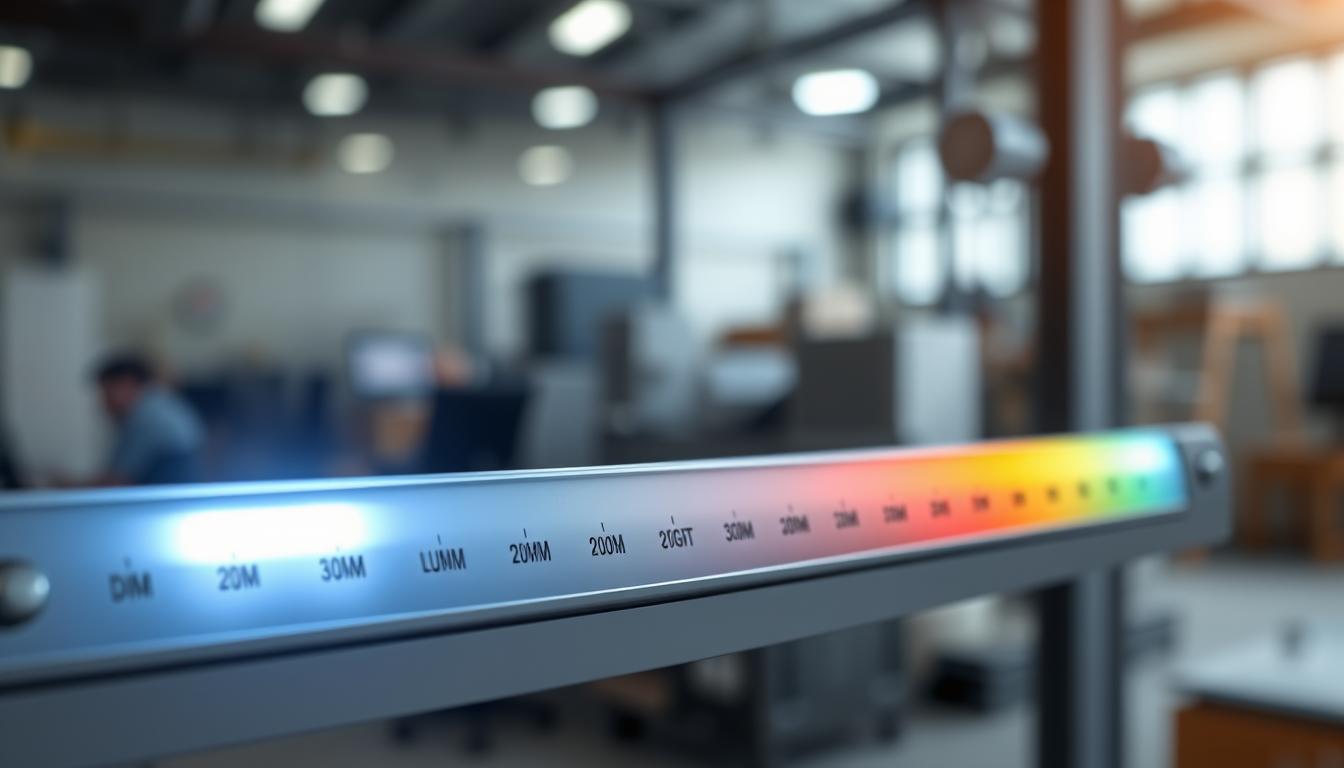
Padroneggiare la tua casa intensità luminosa è il segreto per creare un'atmosfera professionale e confortevole. Comprendendo il scala di luminosità, In questo modo, potrete assicurarvi che ogni angolo della vostra stanza sia perfettamente illuminato senza risultare eccessivo. Vogliamo aiutarvi a creare un ambiente equilibrato che migliori la vostra vita quotidiana.
Raccomandazioni standard sulla luminosità
Diverse aree della tua casa richiedono diversi livelli di illuminazione per funzionare efficacemente. Sebbene le preferenze personali giochino un ruolo importante, ti suggeriamo di seguire queste linee guida generali per mantenere un'illuminazione costante intensità luminosa in tutto il tuo spazio abitativo:
- Cucine: Per garantire una preparazione sicura degli alimenti, puntate a un livello di illuminazione compreso tra 5.000 e 10.000 lumen.
- Soggiorni: Un'illuminazione che varia da 1.500 a 3.000 lumen crea un ambiente accogliente e rilassante.
- Camere da letto: Utilizzare una luminosità compresa tra 1.000 e 2.000 lumen per una luce soffusa e rilassante.
- Bagni: Puntare a un'illuminazione di 3.000-4.000 lumen per una visibilità ottimale durante la toelettatura.
Regolazione del flusso luminoso in base alle dimensioni dello spazio
Le dimensioni fisiche della stanza influiscono notevolmente sulla quantità di luce effettivamente necessaria. Un piccolo ufficio richiede molta meno illuminazione rispetto a una grande sala da pranzo a pianta aperta. Per calcolare il tuo fabbisogno, considera la metratura della stanza e l'attività che intendi svolgere.
Se stai lavorando con uno spazio più ampio, potresti aver bisogno di distribuire più sorgenti luminose per mantenere un'illuminazione uniforme scala di luminosità. Posizionamento strategico L'illuminazione, se opportunamente studiata, previene la formazione di angoli bui e garantisce un'illuminazione efficiente. Consigliamo di testare diversi livelli di luminosità per trovare la soluzione ideale per la disposizione della vostra casa.
Idee sbagliate comuni su Kelvin e Lumen
Orientarsi nel mondo dell'illuminazione può sembrare complicato quando miti obsoleti continuano ad offuscare il nostro giudizio. Molte persone si affidano ancora a vecchie abitudini, come equiparare un wattaggio elevato a un'elevata resa luminosa, il che spesso porta a scelte inefficienti. Siamo qui per chiarire la confusione e aiutarvi a padroneggiare l'illuminazione. lumen contro Kelvin relazione per un ambiente domestico migliore.
Miti e realtà
Un mito frequente è che un numero più alto sul scala Kelvin automaticamente significa una luce più brillante. In realtà, la scala Kelvin Misura la temperatura del colore, non l'intensità della luce. Una luce può essere molto "fredda" o bluastra pur essendo fioca, così come una luce "calda" può essere incredibilmente brillante.
“L'illuminazione non riguarda solo la visibilità; si tratta di creare un'atmosfera che migliori il modo in cui viviamo e lavoriamo ogni giorno.”
Un altro malinteso comune riguarda il scala di luminosità. Molti consumatori presumono che tutte le lampadine con la stessa potenza forniscano la stessa quantità di luce. Con la moderna tecnologia LED, questo non è più vero, poiché le diverse lampadine offrono livelli di efficienza e resa luminosa variabili.
Comprendere l'efficienza dell'illuminazione
Per fare veramente decisioni innovative, devi guardare oltre la superficie. Dare priorità all'efficienza effettiva dell'illuminazione significa concentrarsi su quanta luce si ottiene per ogni watt di energia consumata. Comprendendo la differenza tra scala Kelvin e il scala di luminosità, puoi selezionare prodotti che consentono di risparmiare energia senza sacrificare la qualità.
- Efficienza: Controllate sempre il rapporto lumen/watt sulla confezione.
- Chiarezza: Utilizzate la scala Kelvin per creare l'atmosfera, non per determinare la luminosità.
- Commerci: Un minore consumo energetico si traduce in un minore impatto ambientale e in bollette più basse.
Crediamo che informazioni accurate siano la chiave per un futuro migliore. Scegliendo la tecnologia giusta, migliorerete la vostra qualità di vita, mantenendo al contempo la vostra casa efficiente dal punto di vista energetico e moderna.
La relazione tra Kelvin e Lumens
Riteniamo che comprendere la relazione tra qualità e quantità della luce sia essenziale per qualsiasi casa moderna. Sebbene queste due metriche misurino aspetti diversi dell'illuminazione, lavorano in sinergia. perfetta armonia per definire il carattere del tuo ambiente.
Come collaborano
Pensa a Kelvin come al personalità della tua luce, determinando se una stanza risulta accogliente o clinica. I lumen, d'altra parte, agiscono come energia dietro quella personalità, determina quanta luce effettivamente riempie lo spazio.
Quando si abbina una temperatura di colore calda (in Kelvin) a un'elevata luminosità (in lumen), si crea un'atmosfera vivace e accogliente, luminosa e confortevole allo stesso tempo. Al contrario, una luminosità inferiore con una temperatura di colore fredda può creare un ambiente nitido e focalizzato, perfetto per svolgere determinate attività.
Applicazioni pratiche nella progettazione illuminotecnica
Andare oltre le metriche antiquate è fondamentale per l'efficienza moderna. Molte persone si affidano ancora a metodi obsoleti, ma comprensione dell'emissione luminosa La chiave per un'illuminazione professionale risiede nella misurazione dei lumen piuttosto che nel consumo energetico.
Quando si confronta Lumen contro wattaggio, Ti rendi subito conto che un wattaggio più elevato non sempre significa una luce migliore. Concentrandoti sull'effettiva emissione luminosa, puoi scegliere lampadine che offrono la luminosità di cui hai bisogno, risparmiando al contempo sui costi energetici.
L'integrazione di questi concetti ti permette di creare uno spazio che risulti davvero coeso. Che tu stia illuminando un ufficio in casa o un soggiorno rilassante, bilanciare questi due fattori garantisce che il tuo design sia funzionale e bello.
Scegliere l'illuminazione a LED in base a Kelvin e Lumen
Quando si esegue l'aggiornamento a Illuminazione a LED, capire come Kelvin e lumen L'interazione è il segreto per un ambiente domestico perfetto. Ci impegniamo a semplificare questa transizione, offrendo soluzioni che privilegiano sia il comfort visivo che le prestazioni a lungo termine.
Vantaggi della tecnologia LED
Uno dei principali vantaggi della tecnologia moderna Illuminazione a LED La loro caratteristica principale è l'incredibile efficienza energetica. A differenza delle lampadine tradizionali, queste luci rimangono fredde al tatto perché non emettono radiazioni infrarosse. Questa caratteristica le rende più sicure per la casa e contribuisce a ridurre il carico sui sistemi di climatizzazione durante i mesi più caldi.
Tuttavia, la gestione del calore interno rimane un fattore critico per il mantenimento delle prestazioni. Le alte temperature di giunzione possono portare a un deterioramento più rapido dei componenti interni. Sottolineiamo l'importanza di dissipatori di calore efficaci per dissipare questa energia, garantendo il tuo Illuminazione a LED L'investimento dura per molti anni.
Consigli sui prodotti da IMLTLED
Noi di IMLTLED progettiamo soluzioni innovative che mantengono le vostre luci fresche e brillanti. Il nostro team comprende la vostra esigenza di prodotti affidabili che bilancino la temperatura di colore con la potenza luminosa. Consigliamo di scegliere apparecchi dotati di sistemi di gestione termica integrati per proteggere i vostri componenti.
La tabella seguente evidenzia perché il nostro approccio specializzato a Illuminazione a LED si distingue nel mercato attuale:
| Caratteristica | LED standard | Soluzione integrata |
|---|---|---|
| Gestione del calore | Passivo di base | Dissipatore di calore avanzato |
| Durata della vita | Moderato | Durata prolungata |
| Coerenza del colore | Variabile | Alta precisione |
| Efficienza energetica | Alto | Prestazioni ottimizzate |
Selezionando alta qualità Illuminazione a LED, In questo modo, ti assicuri che il tuo spazio rimanga perfettamente illuminato senza il rischio di surriscaldamento. Siamo qui per aiutarti a orientarti tra queste scelte tecniche, così potrai godere di una casa più luminosa ed efficiente.
Standard e linee guida del settore
Rimanere aggiornati sugli standard globali di illuminazione è il modo migliore per garantire che il vostro spazio rimanga moderno e sostenibile. Diamo priorità a questi parametri di riferimento per aiutarvi a orientarvi nel complesso mondo dell'illuminazione. Illuminazione a LED con totale fiducia. Seguendo le regole stabilite, garantiamo che ogni prodotto che offriamo offra prestazioni e sicurezza costanti.
Normative che influenzano i gradi Kelvin e i lumen
Le autorità globali hanno stabilito criteri specifici per misurazioni dell'illuminazione per proteggere i consumatori da prodotti di qualità inferiore. Queste normative stabiliscono come i produttori devono etichettare la temperatura del colore e i livelli di luminosità. Scegliendo prodotti che rispettano queste rigide linee guida, si ha la garanzia che la luce visualizzata corrisponda esattamente a quella promessa sulla confezione.
“L'innovazione non consiste solo nel creare qualcosa di nuovo; consiste nello stabilire uno standard che migliori e renda più efficiente la vita di tutti.”
Crediamo che la trasparenza nelle specifiche tecniche sia fondamentale per la vostra tranquillità. Aderendo a questi codici internazionali, vi aiutiamo a evitare la confusione spesso causata da affermazioni di marketing fuorvianti. Il nostro impegno per la qualità significa che verifichiamo sempre i nostri prodotti. misurazioni dell'illuminazione in conformità con i più recenti requisiti del settore.
Impatto sull'efficienza energetica
Le moderne normative energetiche sono progettate per spingere i limiti di ciò che è possibile con Illuminazione a LED tecnologia. Questi standard incoraggiano lo sviluppo di lampadine che producono più luce consumando molta meno energia. Questo cambiamento non solo riduce le bollette mensili, ma diminuisce anche l'impronta di carbonio complessiva.
La tabella seguente illustra come gli standard attuali classificano le prestazioni per aiutarvi a fare scelte più intelligenti e sostenibili per la vostra casa o la vostra attività:
| Metrico | Messa a fuoco standard | Vantaggio per il consumatore |
|---|---|---|
| Coerenza del colore | Precisione Kelvin | Ambiente uniforme |
| Efficacia luminosa | Lumen per Watt | Riduzione dei costi energetici |
| Test di durata | Orari di apertura | Manutenzione ridotta |
| Conformità alle norme di sicurezza | Regolazione termica | Prevenzione incendi |
Concentrandoci su queste aree chiave, ci assicuriamo che le nostre soluzioni rimangano all'avanguardia del settore. Ci impegniamo a fornirti strumenti che non siano solo innovativo ma anche nel rigoroso rispetto dei più elevati standard di sostenibilità.
Tendenze nell'illuminazione e nella tecnologia
Stiamo assistendo a una rivoluzione nel modo in cui controlliamo la luce, rendendo i nostri ambienti più reattivi che mai. Il futuro dell'illuminazione è promettente, con nuove tecnologie che stanno cambiando il modo in cui interagiamo con le nostre case e i nostri luoghi di lavoro. Abbracciando questi progressi, potrete garantire che i vostri spazi rimangano all'avanguardia del design moderno.
Innovazioni nella temperatura del colore e nella luminosità
Le recenti scoperte consentono aggiustamenti dinamici a temperatura del colore, consentendo alle luci di passare automaticamente da tonalità calde a luce diurna fredda. Questi sistemi intelligenti si sincronizzano con il tuo ritmo circadiano naturale per migliorare la concentrazione e il rilassamento. Inoltre, un controllo preciso su intensità luminosa Garantisce che tu abbia sempre la luminosità perfetta per qualsiasi attività.
Queste innovazioni offrono un'esperienza senza interruzioni, eliminando la necessità di regolazioni manuali. Che tu stia lavorando in un ufficio domestico o rilassandoti in soggiorno, la tua illuminazione si adatta alle tue esigenze specifiche. Questo livello di automazione intelligente sta rapidamente diventando il nuovo standard per gli interni moderni.
Prospettive future per Kelvin e Lumen
Guardando al futuro, l'integrazione dell'intelligenza artificiale perfezionerà ulteriormente il modo in cui gestiamo temperatura del colore e intensità luminosa. Prevediamo di vedere soluzioni ancora più efficienti dal punto di vista energetico, che privilegino sia la sostenibilità che il comfort dell'utente. Questi sistemi apprenderanno le vostre preferenze nel tempo, creando un'atmosfera davvero personalizzata.
Il futuro dell'illuminazione non riguarda solo la visione migliore, ma anche il benessere negli spazi in cui vivi. Concentrandoci sul design incentrato sull'uomo, rendiamo più semplice che mai creare ambienti che favoriscano il tuo benessere. Rimaniamo impegnati a offrirti gli strumenti più innovativi per semplificarti la vita attraverso tecnologia di illuminazione innovativa.
Conclusione
Per ottenere l'atmosfera perfetta in casa o in ufficio è necessaria una chiara comprensione di come si comporta la luce. Bilanciando Kelvin e lumen, In questo modo, si ottiene il pieno controllo sull'atmosfera e sulla funzionalità di qualsiasi stanza.
Riepilogo dei principi fondamentali dell'illuminazione
Una progettazione illuminotecnica di successo si basa sulla tua capacità di interpretare le specifiche tecniche. misurazioni dell'illuminazione. Ora hai gli strumenti per valutare la scala Kelvin per il calore del colore e selezionare la luminosità giusta per le tue esigenze specifiche. Andando oltre la vecchia attenzione su Lumen contro wattaggio ti permette di sfruttare l'efficienza della tecnologia moderna Illuminazione a LED.
Fare scelte consapevoli
Il tuo spazio merita un approccio personalizzato che privilegi sia il comfort che il risparmio energetico. Ti invitiamo ad applicare questi principi per creare ambienti produttivi, rilassanti e visivamente gradevoli. L'illuminazione intelligente è un investimento nel tuo benessere quotidiano e nell'efficienza a lungo termine.
Contatta i nostri esperti
Siamo pronti ad assistervi nel vostro prossimo progetto o a rispondere a qualsiasi domanda sulla vostra configurazione. Visitate il nostro sito web www.imltled.com per scoprire le nostre soluzioni più recenti. Potete contattare il nostro team direttamente tramite WhatsApp al numero 0086 185 8848 3178 o inviare un'e-mail a [email protected] per ricevere assistenza personalizzata.