
Have you ever wondered how invisible light impacts your daily environment? UV radiation is measured on a scientific scale known as the electromagnetic spectrum. Understanding these energy forms is the first step toward creating a safer, more efficient space for your home or business.
We simplify complex technical data into clear, actionable insights that prioritize your well-being. By mastering these concepts, you gain the power to make informed decisions that protect what matters most. Knowledge is the best tool for innovation, and we are here to guide you through these essential topics with professional clarity.
A legfontosabb tudnivalók
- UV radiation exists on the electromagnetic spectrum.
- Recognizing energy types improves home and business safety.
- We transform technical data into simple, actionable insights.
- Informed choices lead to a more efficient environment.
- Professional guidance helps you navigate complex light science.
Az ultraibolya (UV) sugárzás megértése
To truly master your environment, we must first look at the invisible energy surrounding us every day. Ultraviolet (UV) radiation is a form of electromagnetic energy that exists on the spectrum between visible light and X-rays.
What Is UV Radiation?
Because this energy has a shorter wavelength than the light we see, it remains invisible to the human eye. UV radiation carries enough energy to cause chemical reactions and excite electrons in various materials. This unique property makes it both a powerful tool for industry and a factor we must manage carefully in our daily lives.
Sources of UV Radiation
The sun serves as our primary natural source of UV rays, bathing the planet in constant energy. However, we also encounter artificial UV radiation in many modern settings. These sources include specialized lamps, welding equipment, and various industrial processes that rely on high-energy light.
Importance of UV Radiation
Managing how these energy forms interact with our surroundings is vital for maintaining a safe space. When we integrate advanced technology, such as a Transparent LED Screen, into a bright environment, we must consider how ambient radiation affects performance and longevity.
Similarly, installing a high-performance Transparent LED Video Wall requires a thoughtful approach to light management. By understanding the nature of UV energy, we ensure that your living and working areas remain both innovative and secure for everyone involved.
Az UV-sugárzás három típusa
Just as we design technology for specific needs, nature uses different UV wavelengths to impact our environment. We categorize ultraviolet radiation into three distinct types to help you better manage your sun exposure and protect your health.
Az UVA-, UVB- és UVC-sugárzás áttekintése
The sun emits energy across a broad spectrum, but we focus on three primary segments: UVA, UVB, and UVC. Each type interacts with our skin and surroundings in unique ways. Much like how we engineer an LED Privacy Screen to filter light for specific visual clarity, these rays have different physical properties that determine their biological impact.
Differences in Wavelengths
Wavelength is the primary factor that separates these three categories. UVA rays possess the longest wavelengths, allowing them to penetrate deep into the skin. UVB rays have a medium wavelength, while UVC rays feature the shortest wavelengths of the group.
Think of these wavelengths as different frequencies in a communication system. Just as we optimize Transparent LED Signage to ensure light passes through with precision, these natural wavelengths dictate how much energy reaches the surface of the earth.
Energy Levels of UV Rays
There is a clear inverse relationship between wavelength and energy. Because UVC rays have the shortest wavelengths, they carry the highest energy levels, making them potentially the most dangerous. Conversely, UVA rays carry the lowest energy of the three.
Understanding these technical specifications allows you to make informed decisions about your daily routine. By grasping how these energy levels function, you can better shield yourself from unnecessary exposure and enjoy the outdoors with confidence.
UVA Radiation: Characteristics and Effects
We encounter UVA radiation every single day, regardless of the weather or the season. These rays account for approximately 95 percent of the ultraviolet radiation that reaches the Earth’s surface. Much like the clarity provided by a High-resolution Transparent Display, we want to ensure you have a clear view of how these rays interact with your skin.
Properties of UVA Rays
UVA rays possess a longer wavelength compared to other forms of ultraviolet light. This unique property allows them to penetrate deep into the skin, reaching the dermis layer. Because they are present throughout the entire day, they remain a constant factor in your environment.
Impact on Human Health
The deep penetration of UVA rays leads to significant long-term health concerns. Unlike UVB rays that primarily affect the surface, UVA radiation causes damage that accumulates over time. We recommend staying mindful of these effects to protect your skin’s integrity:
- Deep tissue penetration reaching the lower layers of the skin.
- Cumulative exposure that builds up over many years.
- Suppression of the immune system within the skin.
Role in Skin Aging and Damage
UVA rays are the primary culprits behind premature skin aging, often referred to as photoaging. They break down collagen and elastin fibers, which leads to the development of wrinkles and leathery skin texture. By maintaining a High-resolution Transparent Display of the facts, you can better understand why daily protection is vital for keeping your skin healthy and resilient for years to come.
UVB Radiation: Significance and Harm
Much like the precision required when calibrating an Interactive LED Panel, managing UVB exposure requires a careful, balanced approach. We believe that understanding the science behind these rays is the first step toward enjoying the outdoors safely. By recognizing how this radiation interacts with your body, you can make informed decisions about your daily sun exposure.
Characteristics of UVB Rays
UVB radiation is defined by its relatively short wavelength. Unlike other forms of light, these rays primarily target the epidermis, which is the outermost layer of your skin. Because they carry high energy, they are incredibly effective at triggering biological changes upon contact.
Effects on the Skin
The high energy levels of UVB rays make them the primary culprit behind painful sunburns. When your skin absorbs too much of this radiation, it triggers an inflammatory response that can lead to redness, peeling, and long-term cellular damage. We recommend staying mindful of your time in direct sunlight to avoid these harmful effects.
- Immediate redness: The skin’s natural reaction to overexposure.
- Cellular stress: Potential damage to DNA within skin cells.
- Cumulative impact: Repeated exposure increases the risk of premature aging.
Importance for Vitamin D Production
Despite the risks, UVB radiation serves a vital purpose in human health. When these rays strike your skin, they initiate the natural synthesis of vitamin D3. This essential nutrient supports bone health, immune function, and overall well-being.
Finding the right balance is key to maintaining your health without compromising your skin. Just as you would adjust an Interactive LED Panel to achieve the perfect brightness, you should adjust your sun exposure to meet your body’s needs while staying protected. A few minutes of moderate, intentional exposure is often enough to reap the benefits while minimizing the potential for harm.
UVC Radiation: The Most Harmful Type
Understanding the invisible spectrum of light is essential for safety, especially when dealing with advanced technology like an Outdoor Transparent LED Wall. While we often enjoy the benefits of sunlight, we must remain aware of the different energy levels present in ultraviolet radiation.
Nature of UVC Rays
UVC radiation represents the highest energy portion of the entire ultraviolet spectrum. Because these rays carry such intense energy, they possess the potential to cause significant damage to biological tissues and materials if exposure occurs.
Natural Occurrence and Ozone Layer
Fortunately, we are protected from these intense rays by our planet’s atmosphere. The ozone layer acts as a natural shield, effectively absorbing virtually all UVC radiation before it can reach the Earth’s surface.
“The atmosphere is our primary guardian, filtering out the most dangerous solar radiation and allowing life to thrive in a balanced environment.”
Impact on Human Health and Environment
Since UVC rays do not reach us naturally, human exposure is limited to specific artificial sources, such as specialized germicidal lamps. When we design modern installations like an Outdoor Transparent LED Wall, we prioritize your safety by ensuring that all components operate within strictly regulated and harmless light spectrums.
We are committed to keeping your environment secure through constant innovation and expert technical guidance. By distinguishing between safe illumination and hazardous radiation, we help you enjoy the latest technology with complete peace of mind.
How UV Radiation Affects Our Skin
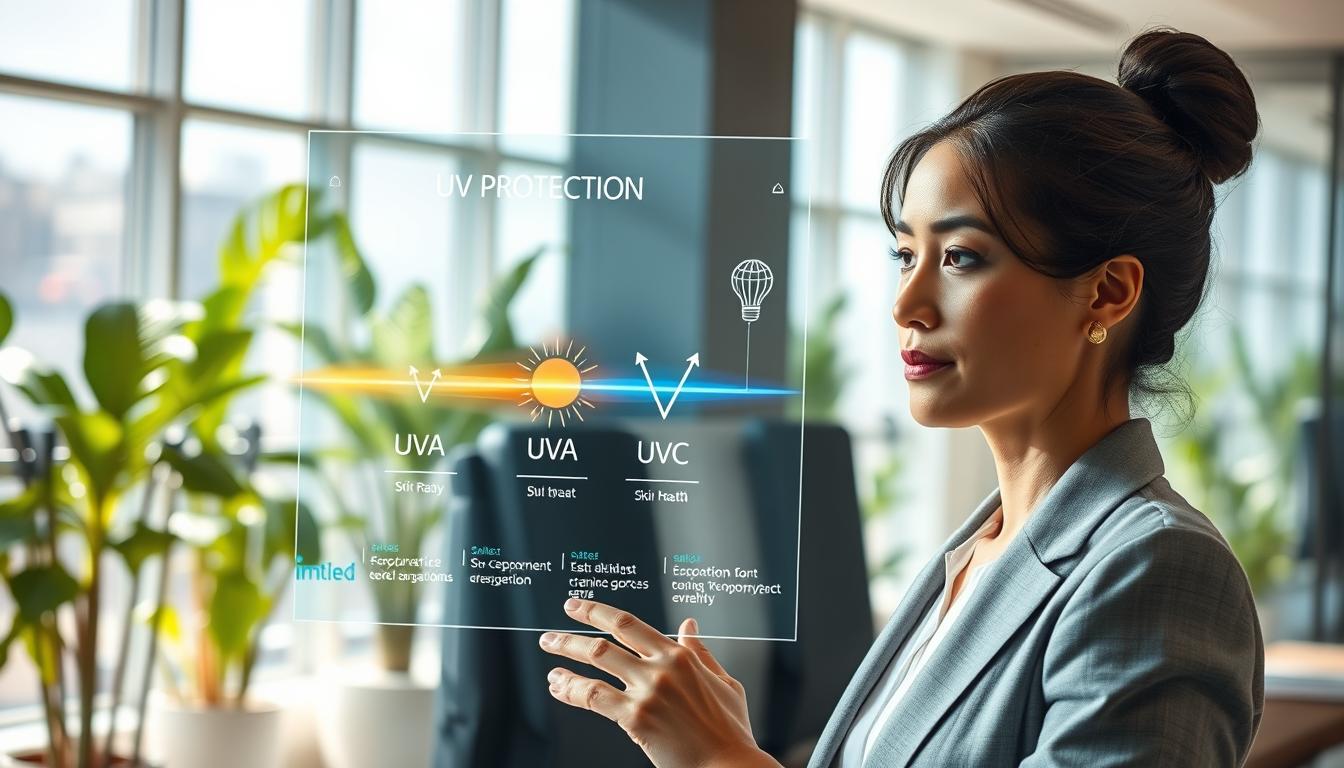
While we embrace innovation like Transparent Screen Technology to brighten your digital world, we must also prioritize protecting your skin from the sun’s invisible rays. Your skin acts as a vital barrier against the environment, but it requires our help to stay resilient against the constant pressure of ultraviolet radiation.
Short-term Effects of UV Exposure
The most immediate sign of overexposure is sunburn, which occurs when your skin cells suffer direct damage from intense UV rays. This reaction is your body’s way of signaling that it has reached its limit for safe exposure. You might notice redness, heat, and discomfort shortly after spending time outdoors without proper coverage.
Long-term Effects of UV Radiation
Beyond the immediate sting of a sunburn, UV radiation causes damage that accumulates over a lifetime. Prolonged exposure often leads to premature aging, characterized by wrinkles, leathery skin, and dark spots. More seriously, UV rays can trigger genetic mutations in your skin cells, which significantly increases the risk of developing skin cancer over time.
Importance of Sunscreen Protection
Adopting a consistent habit of using sunscreen is the most effective way to shield your skin from these invisible threats. By applying a broad-spectrum product daily, you create a necessary buffer that prevents deep cellular damage. Just as we strive to enhance your lifestyle with Transparent Screen Technology, we encourage you to make informed choices that keep your skin healthy and vibrant for years to come.
Protection Against UV Radiation
We believe that staying safe under the sun should be as simple as enjoying a beautiful day outdoors. Protecting your skin requires a multi-faceted approach that adapts to your specific environment. Just as we carefully engineer an Outdoor Transparent LED Wall to perform perfectly in bright sunlight, you should optimize your personal protection strategy to match your surroundings.
Choosing the Right Sunscreen
The foundation of any effective sun safety plan is high-quality, broad-spectrum sunscreen. You should look for products that offer protection against both UVA and UVB rays to ensure comprehensive coverage. A következetesség a kulcs, so apply it generously and reapply every two hours, especially if you are swimming or sweating.
Recommendations for UV Protective Clothing
Clothing acts as your first line of defense against solar radiation. We recommend wearing tightly woven fabrics that provide a physical barrier for your skin. Don’t forget to accessorize with a wide-brim hat to shade your face and neck, along with sunglasses rated for 100% UV protection to keep your eyes safe.
Other Methods to Shield from UV Rays
Beyond personal gear, you must be mindful of your environment. Reflective surfaces like water, sand, and even the glass panels of an Outdoor Transparent LED Wall can bounce UV rays back toward you, increasing your total exposure. Whenever possible, seek shade during peak hours and stay aware of your local UV index to make informed decisions about your time spent outside.
UV Index: Understanding the Risk Levels
Just as we prioritize precision in our Interactive LED Panel technology, you should prioritize your health by monitoring local UV levels. Navigating the outdoors safely requires more than just a sunny forecast; it demands a clear understanding of the invisible risks posed by solar radiation.
What Is the UV Index?
The Ultraviolet Index, or UVI, is a standardized rating scale ranging from 1 to 11. It serves as a vital tool that indicates the intensity of skin-damaging rays reaching the Earth’s surface at any given time.
By checking this index, you can plan your outdoor activities with greater confidence. It acts as a data-driven guide, much like the high-performance metrics we use to ensure every Interactive LED Panel meets the highest standards of quality.
How to Interpret UV Index Numbers
Understanding these numbers helps you gauge the level of protection you need. The scale is generally broken down into categories that signal the potential for harm:
- Low (1-2): Minimal danger for the average person.
- Közepes (3–5): Low risk of harm from unprotected sun exposure.
- Magas (6–7): High risk of harm; protection is essential.
- Very High (8-10): Very high risk; take extra precautions.
- Extreme (11+): Extreme risk; avoid sun exposure if possible.
Safety Tips Based on UV Index
When the index climbs into the high or extreme categories, your skin requires immediate attention. We recommend seeking shade during midday hours when the sun is at its strongest point.
Always wear protective clothing, a wide-brimmed hat, and sunglasses to shield your eyes. Applying a broad-spectrum sunscreen is a nem tárgyalható lépés for maintaining your long-term skin health, regardless of your skin tone.
Conclusion: Importance of UV Protection
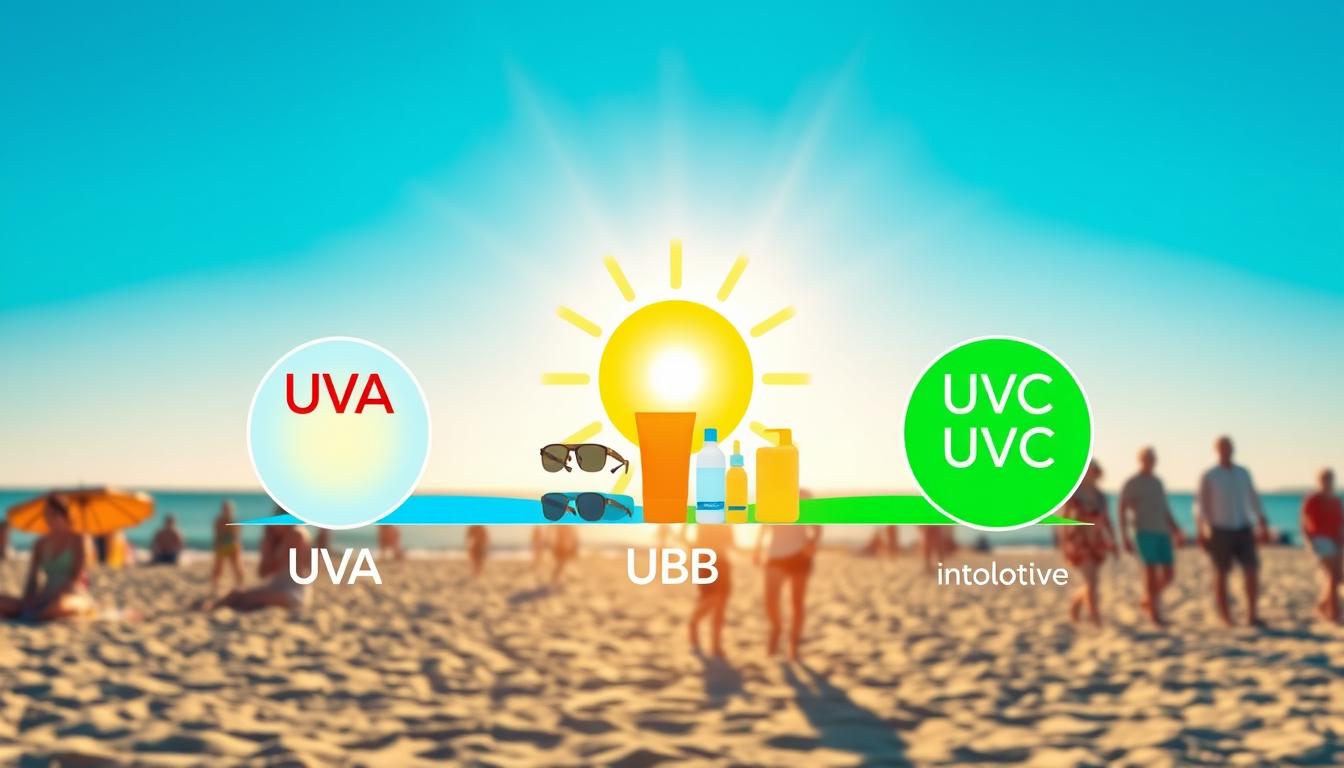
Mastering the nuances of solar radiation is the ultimate key to maintaining long-term skin health and vitality. By understanding the Difference Between UVA, UVB, And UVC, you are better equipped to make smart choices every time you step outside. We believe that knowledge is your best defense against the invisible risks of the sun.
Recap of UVA, UVB, and UVC Differences
Each type of radiation interacts with your body in unique ways, ranging from deep skin penetration to surface-level burning. Recognizing the Difference Between UVA, UVB, And UVC allows you to tailor your protection strategy effectively. The following table summarizes these critical distinctions to help you stay informed.
| Radiation Type | Penetration Level | Primary Health Impact |
|---|---|---|
| UVA | Deep (Dermis) | Premature aging and wrinkles |
| UVB | Surface (Epidermis) | Sunburn and DNA damage |
| UVC | Az ózon által blokkolva | High risk, but naturally filtered |
Final Advice for Staying Safe in the Sun
We encourage you to adopt consistent habits to safeguard your well-being. Simple actions, such as wearing broad-spectrum sunscreen and protective clothing, provide the most effective shield against cumulative damage. Staying aware of the Difference Between UVA, UVB, And UVC ensures that you can enjoy the outdoors while keeping your skin vibrant and healthy.
Remember that your commitment to sun safety is a lifelong investment in your health. By staying proactive and informed, you can embrace a lifestyle that is both active and protected. We are here to support your journey toward a safer, brighter future under the sun.
FAQs About UV Radiation
Navigating the complexities of UV radiation can feel overwhelming, but we are here to simplify the facts for you. Many myths surround UV exposure, and today we are setting the record straight with accurate, actionable information to keep you and your family safe.
Just as a High-resolution Transparent Display provides crystal-clear visuals for your business, we aim to provide that same level of clarity regarding your health. Understanding the invisible risks of the sun is the first step toward effective protection.
Common Questions Answered
One of the most frequent questions we receive is whether sunscreen is necessary when you are indoors. While glass blocks most UVB rays, it often allows UVA rays to pass through, which can contribute to long-term skin damage.
Another common inquiry involves the effectiveness of clothing. Not all fabrics offer the same level of protection, so we always recommend checking for a UPF rating to ensure you are truly shielded from harmful rays.
Understanding Misconceptions
A persistent myth is that cloudy days offer full protection from the sun. In reality, UV rays can easily penetrate thin clouds, meaning you can still sustain skin damage even when the sky looks gray.
We believe in transparency, much like the innovative design of Transparent LED Signage. By debunking these myths, we help you make informed choices that prioritize your well-being over outdated assumptions.
Remember that consistency is key to sun safety. Whether it is a sunny afternoon or a hazy morning, staying vigilant ensures you enjoy the outdoors without unnecessary risks.
Additional Resources on UV Protection
We believe that knowledge is the best tool for maintaining a safe and bright environment. Staying updated on environmental factors allows you to plan your outdoor activities with confidence and peace of mind.
Whether you are researching health safety or looking for the latest in LED Privacy Screen és Transparent LED Video Wall technology, staying informed is key. We are dedicated to connecting you with the best information to keep your life bright and secure.
Where to Learn More
For those who wish to dive deeper into UV safety, we recommend consulting reputable organizations like the EPA and the World Health Organization. These entities provide ongoing updates on ozone levels and UV forecasts that are essential for long-term planning.
Accessing these official portals ensures you receive data based on scientific research rather than common myths. Utilizing these tools helps you manage your exposure effectively throughout the changing seasons.
Recommended Websites and Organizations
The following table highlights key resources that offer reliable data for your daily safety and planning needs. These platforms are trusted globally for their commitment to public health and environmental transparency.
| Organization | Elsődleges fókusz | Key Resource |
|---|---|---|
| World Health Organization | Global Health Standards | UV Index Guidelines |
| Environmental Protection Agency | Environmental Data | Ozone & UV Forecasts |
| National Weather Service | Local Climate Updates | Real-time UV Alerts |
| Skin Cancer Foundation | Prevention Education | Sun Safety Tips |
Contact Information for Inquiries
Protecting your health from ultraviolet radiation remains a top priority for everyone. We provide expert guidance to help you navigate these environmental challenges with confidence and clarity.
Our team specializes in advanced visual solutions that bring innovation to your workspace. We are ready to assist you with any questions regarding our cutting-edge Transparent LED Screen systems. These tools offer unique ways to display information while maintaining a sleek, modern aesthetic.
Reach Out to Us
You can explore our full range of products by visiting our website at www.imltled.com. We invite you to reach out via email at [email protected] to discuss your specific project requirements.
For a more direct conversation about integrating Transparent Screen Technology into your business, feel free to contact us via WhatsApp at 0086 185 8848 3178. We look forward to helping you implement these smart solutions with ease and professional support.