
Transforming your living space with modern illumination is an exciting project. We understand that you want to enhance your home with smart technology without compromising your interior integrity. Many homeowners worry about adhesive residue or paint peeling when installing new decor.
At www.imltled.com, our team is dedicated to providing innovative solutions that make your life easier and more beautiful. We believe that upgrading your environment should be a stress-free experience. Our products are designed with care to ensure your surfaces remain pristine while you enjoy a vibrant, customized atmosphere.
If you have questions about our professional setups, please reach out to us via Whatsapp at 0086 185 8848 3178 or email us at [email protected]. We are here to help you achieve your dream lighting setup with confidence and expert guidance.
Kluczowe wnioski
- Proper surface preparation prevents adhesive issues during installation.
- High-quality mounting materials protect your paint and finish.
- Smart lighting enhances home aesthetics without permanent structural changes.
- Professional guidance ensures a seamless and safe setup process.
- Our team provides dedicated support for all your lighting inquiries.
Understanding LED Light Strips: Basics and Benefits
We believe that understanding the core technology behind LED light strips is the first step toward a brighter home. These versatile lighting solutions have changed how we design our living spaces by offering unmatched flexibility and ease of use.
What Are LED Light Strips?
At their core, LED light strips are flexible circuit boards populated with high-efficiency light-emitting diodes. Unlike traditional lighting fixtures, these strips can be cut to size and mounted in tight corners or along architectural features.
They are designed with safety and sustainability in mind. You will find that these strips contain no harmful substances like mercury or lead, making them a responsible choice for any modern household.
“The future of home lighting is not just about brightness; it is about efficiency, control, and the ability to shape the atmosphere of a room with a single touch.”
Advantages of Using LED Light Strips
Choosing high-quality LED technology provides several immediate benefits for your home. One of the most significant advantages is energy efficiency, which helps reduce your monthly utility costs while maintaining excellent light quality.
These lights also emit minimal heat compared to traditional incandescent bulbs. This feature protects your surfaces from potential heat damage and ensures that the strips remain cool to the touch even after hours of operation.
Finally, you will enjoy a significantly longer lifespan with LED strips. By investing in this technology, you minimize the need for frequent replacements and enjoy a reliable, consistent glow for years to come.
Materials Used in LED Light Strips
The secret to a long-lasting and safe LED Light Strip Wall Mounting process lies in the specific materials used in your lighting gear. We believe that understanding these components helps you make better decisions for your home decor. By knowing what your strips are made of, you can ensure a smooth experience from start to finish.
Types of Adhesives and Their Properties
Most modern strips rely on a Pressure-Sensitive Adhesive (PSA) for quick application. This material is designed to bond more firmly the harder you press it against a clean surface. It is important to note that these adhesives vary significantly in their chemical strength.
Some versions are formulated for temporary use, while others create a semi-permanent bond. Over time, these adhesives can become quite aggressive, which is a key factor to consider during your LED Light Strip Wall Mounting project. Always test a small, hidden area first to see how the adhesive reacts with your specific wall finish.
Common Backing Materials for LED Strips
Beyond the adhesive, the backing material of the strip itself plays a vital role in performance. Most strips use a flexible printed circuit board (FPCB) that allows for easy bending around corners. This flexibility is what makes these lights so popular for creative home designs.
Manufacturers often use copper or aluminum-based backings to help with heat dissipation. Proper heat management ensures that your lights remain bright and functional for years. We recommend choosing high-quality backings to protect your walls from potential heat-related discoloration.
| Material Component | Podstawowa funkcja | Kluczowe korzyści |
|---|---|---|
| PSA Adhesive | Surface Attachment | Quick and easy installation |
| Flexible PCB | Circuit Support | Allows for creative shaping |
| Copper Backing | Heat Dissipation | Extends product lifespan |
| Silicone Coating | Environmental Protection | Resists dust and moisture |
How to Install LED Light Strips Safely
You can easily transform your living space with vibrant lighting while keeping your walls in pristine condition. Achieving a professional look with your lighting starts long before you plug in the power adapter. By following these LED Light Strip Installation Tips, you ensure that your setup remains secure and beautiful for years to come.
“Preparation is the foundation of every great home improvement project, turning a simple task into a lasting upgrade.”
Recommended Surfaces for Installation
Not all walls are created equal when it comes to adhesive backing. For the best results, we recommend applying strips to smooth, non-porous surfaces like finished wood, glass, or metal. These materials allow the adhesive to bond effectively without pulling away paint or drywall finish.
If you are working with textured walls or wallpaper, you might face challenges with long-term stability. In these cases, preventing wall damage with LED lights requires extra caution. We suggest testing a small, inconspicuous area first to see how the adhesive reacts to your specific wall texture.
Tips for Correct Adhesion
The secret to a successful damage-free LED light strip application lies in the cleanliness of your surface. Before you peel the backing, always wipe the area with a moist cloth to remove dust, debris, and hidden oils. Even a thin layer of dust can prevent the adhesive from bonding, leading to sagging strips later on.
Once the surface is clean and completely dry, follow these steps for a secure hold:
- Apply firm, even pressure along the entire length of the strip for at least 30 seconds.
- Avoid touching the adhesive side with your fingers, as natural skin oils can weaken the bond.
- If the strip feels loose, do not pull it off immediately; instead, consider using additional mounting clips to support the weight.
Taking these small steps ensures your lighting stays exactly where you want it. With the right approach, you can enjoy a stunning, illuminated home without worrying about the integrity of your walls.
Potential Wall Damage from LED Light Strips
We often get asked if LED light strips will ruin the paint on a wall during removal. While the concern is valid, the reality is that LED Light Strip Wall Damage is frequently misunderstood by many homeowners.
Most issues arise not from the lights themselves, but from the condition of the surface they are applied to. By taking a few simple precautions, you can enjoy your lighting setup without worrying about the integrity of your walls.
Types of Damage: Peeling and Discoloration
The most common issue reported is paint peeling. It is important to recognize that poorly done paint jobs are often the true villains behind this problem. If the paint was not properly primed or cured, the adhesive can easily pull it away during removal.
Discoloration is another concern, though it is usually temporary. This often happens when the adhesive reacts with the wall finish over a long period. Protecting walls from LED light strip damage starts with choosing high-quality, stable surfaces for your installation.
Temporary vs. Permanent Damage
Most surface marks left behind by adhesive strips are considered temporary. These sticky residues can typically be removed with a gentle adhesive cleaner or a soft cloth dampened with warm water.
Permanent damage, such as deep paint stripping or drywall tearing, is much rarer. This usually only occurs if the adhesive is ripped off too quickly or if the wall surface was already compromised. By protecting walls from LED light strip damage through careful, slow removal techniques, you can keep your home looking pristine.
When Wall Damage Can Occur
Timing is everything when it comes to keeping your paint job pristine. While it is tempting to install your new lighting immediately, rushing the process often leads to unwanted LED Light Strip Wall Damage. We want your home to look its best, so understanding the hidden variables of your wall surface is essential.
Factors Influencing Adhesion Quality
The most common mistake involves applying adhesive to freshly painted walls. Although paint may feel dry to the touch after a few hours, it often takes up to 30 days to cure completely. During this curing phase, the paint remains chemically active and soft, making it highly susceptible to peeling when an adhesive strip is removed.
Surface texture also plays a significant role in how well your strips stay put. Smooth, primed surfaces provide the best bond, while porous or textured walls might require extra care. Always ensure your surface is clean and stable before you begin your installation to avoid potential LED Light Strip Wall Damage.
Environmental Considerations
Your local environment can drastically change how adhesives interact with your walls. High humidity levels, for instance, can weaken the bond over time, causing the adhesive to slide or pull away from the paint. This is especially common in bathrooms or laundry rooms where moisture levels fluctuate frequently.
Kitchens present a different challenge due to the presence of airborne grease. Even a thin layer of cooking residue can prevent the adhesive from gripping the wall properly, leading to premature failure. By keeping these environmental factors in mind, you can effectively prevent LED Light Strip Wall Damage and enjoy your lighting setup for years to come.
How to Remove LED Light Strips Without Damage
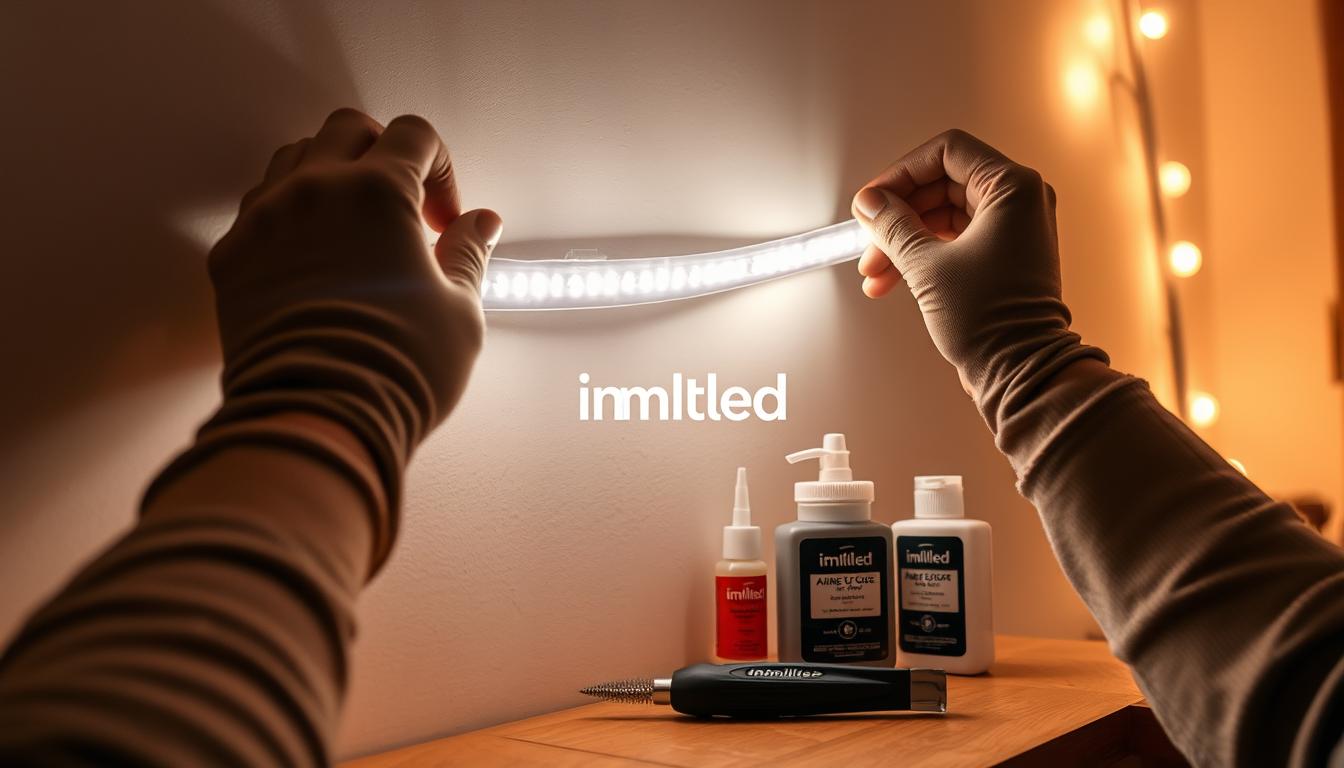
Protecting your walls while updating your lighting setup is entirely possible with the right approach. We believe that maintaining the integrity of your paint and drywall is just as important as the aesthetic appeal of your lights. By focusing on Preventing Wall Damage with LED Lights, you can ensure your home remains in pristine condition whenever you decide to redecorate.
Step-by-Step Removal Process
Achieving a Damage-Free LED Light Strip Application requires patience and the right technique. Rushing the process is the most common cause of surface peeling, so take your time to work through these steps carefully.
- Start by unplugging the power supply to ensure safety.
- Use a hairdryer on a low heat setting to gently warm the adhesive backing. This softens the glue, making it much easier to peel away from the wall without pulling off paint.
- Begin at one end of the strip, slowly pulling it away from the surface at a shallow angle.
- If you feel resistance, apply a little more heat to that specific area before continuing.
Recommended Tools for Safe Removal
Having the right equipment on hand is essential for Protecting Walls from LED Light Strip Damage. You do not need expensive professional gear to get the job done effectively.
- Hairdryer: The most critical tool for softening stubborn adhesives.
- Plastic Scraper or Credit Card: Useful for gently lifting the edge of the strip if your fingers cannot get a good grip.
- Adhesive Remover or Rubbing Alcohol: Perfect for cleaning up any sticky residue left behind after the strip is removed.
- Microfiber Cloth: Ideal for wiping down the wall to ensure a clean finish once the process is complete.
By following these simple guidelines, you can confidently change your lighting layout whenever inspiration strikes. Your walls will thank you for the extra care taken during the removal process.
Alternatives for Wall-Friendly LED Strip Installation
You do not have to sacrifice your paint job to achieve a stunning home lighting setup. Many homeowners worry about adhesive residue, but there are smarter ways to mount your lights that keep your surfaces pristine. By choosing Wall Safe LED Light Strips, you ensure that your decor remains flexible and damage-free.
Magnetic Strips and Other Mounting Options
If you want a versatile setup, magnetic mounting is a fantastic choice. You simply attach a thin metal strip to the wall and let the magnets hold your lights in place. This method allows for effortless repositioning whenever you decide to change your room layout.
Aluminum channels are another excellent solution for LED Light Strip Wall Mounting. These profiles provide a clean, professional look while acting as a protective housing for your strips. They can be mounted using small screws or specialized command-style strips that are designed for easy removal.
Using Mounting Clips
Mounting clips offer a mechanical way to secure your lights without relying on heavy-duty glue. These small, clear plastic clips snap over the strip and hold it firmly against the wall. They are perfect for those who prioritize a Wall-Friendly LED Light Strip Installation that lasts for years.
Because these clips are reusable, you can easily take down your lighting for cleaning or painting. They provide a secure grip that prevents sagging over time. This approach is truly the best way to maintain the integrity of your walls while enjoying modern, smart lighting.
| Mounting Method | Surface Impact | Reusability | Installation Difficulty |
|---|---|---|---|
| Adhesive Backing | High Risk | Niski | Very Easy |
| Magnetic Strips | Minimalny | Wysoki | Umiarkowany |
| Mounting Clips | Bardzo niski | Wysoki | Umiarkowany |
| Aluminum Channels | Niski | Wysoki | Professional |
Maintenance Tips for LED Light Strips
Keeping your lighting setup in top shape is the secret to a long-lasting glow. While high-quality Wall Safe LED Light Strips are designed for durability, they still require a little attention to remain in perfect condition. By incorporating these simple habits into your routine, you ensure your home stays bright and beautiful.
Regular Cleaning and Care
Dust and debris can accumulate on your strips over time, which may affect light output or heat dissipation. We recommend gently wiping the surface with a dry, soft microfiber cloth every few months. Never use harsh chemicals or water, as these can damage the sensitive electronic components or the adhesive backing.
During your cleaning routine, take a moment to inspect the strips for any signs of wear, fraying, or exposed wires. If you notice the adhesive failing or the paint beginning to peel, you might need to learn how to remove LED strip lights without damaging to reset them properly. Catching these issues early is a key part of our best LED Light Strip Installation Tips.
Ensuring Long-Term Performance
To keep your system running efficiently, avoid placing strips in areas with extreme heat or moisture. Proper airflow around the controller and the strips themselves prevents overheating, which is vital for the longevity of the LEDs. Always ensure that your power connections remain secure and free from tension.
The following table outlines the essential maintenance schedule to keep your lighting system performing at its peak:
| Zadanie konserwacji | Częstotliwość | Wymagane działanie |
|---|---|---|
| Odkurzanie powierzchni | Monthly | Use a dry microfiber cloth |
| Visual Inspection | Kwartalnie | Check for exposed wires or fraying |
| Adhesion Check | Dwa razy w roku | Ensure strips are firmly attached |
| Connection Review | Rocznie | Tighten or secure loose power cables |
By following these LED Light Strip Installation Tips and staying consistent with your care, you can enjoy your Wall Safe LED Light Strips for many years. A little proactive maintenance goes a long way in keeping your smart home environment safe and vibrant.
Conclusion: Should You Worry About Wall Damage?
You can enjoy vibrant lighting without fearing for your home surfaces. We believe that a Wall-Friendly LED Light Strip Installation is entirely achievable with a little patience and the correct tools.
Many people ask, Do LED Light Strips Damage Walls? The answer depends on your preparation and the quality of the products you choose. Brands like Govee and Philips Hue offer reliable adhesive backings that minimize risks when applied to clean, primed surfaces.
We encourage you to take your time during the setup process. Using proper removal techniques ensures your paint stays intact and your walls remain pristine. Your dream of a beautifully illuminated space is well within reach.
Share your lighting projects with us to inspire others in our community. We love seeing how you transform your living areas into smart, modern environments. Start your next project with confidence today.