
We understand how frustrating it can be when your home or office setup fails to perform as expected. Whether you are dealing with flickering bulbs or unexpected dimming, these issues can disrupt your daily comfort.
Our team has created this guide to help you identify and fix the 29 Common Problems with LED Lighting. We want to ensure your space remains perfectly illuminated and efficient at all times.
If you need personalized assistance, please reach out to us at [email protected]. You can also contact our support team via WhatsApp at 0086 185 8848 3178. Visit our website at www.imltled.com to explore our range of innovative and reliable smart solutions designed to make your life easier.
Основные выводы
- Identify the root causes of flickering or dimming in your fixtures.
- Learn simple troubleshooting steps to restore your home illumination.
- Discover how to maintain energy efficiency for long-term savings.
- Get direct access to expert support for complex technical issues.
- Explore modern smart solutions that simplify your daily lighting experience.
Introduction to LED Lighting Issues
Transitioning to advanced illumination requires a basic understanding of how these systems operate to ensure long-term success. While modern lighting is incredibly efficient, even the best systems can occasionally run into unexpected hurdles that disrupt your daily comfort.
Understanding LED Technology
At its core, LED lighting uses light-emitting diodes as the primary illumination source for both homes and businesses. This sophisticated technology converts electrical energy into light with remarkable efficiency, far outpacing traditional incandescent bulbs.
Because these systems rely on complex electronic drivers, they function differently than the simple filaments of the past. Understanding these technical nuances is the key to appreciating why your lights perform so reliably under normal conditions.
Importance of Addressing Common Problems
We believe that proactive LED lighting maintenance is the best way to prevent minor glitches from escalating into major headaches. By staying ahead of potential LED lighting issues, you can significantly extend the lifespan of your fixtures.
Taking a few simple steps to monitor your setup helps protect your investment and ensures a brighter, more efficient environment. Addressing LED lighting problems early on allows you to enjoy the full benefits of your smart home technology without unnecessary stress.
Ultimately, consistent LED lighting maintenance empowers you to create a space that is both functional and inviting. We are here to help you navigate these challenges so you can focus on enjoying your beautifully lit home.
Problem 1: Flickering LEDs
We understand how annoying it is when your home lighting loses its steady glow and begins to flicker unexpectedly. Flickering lights are one of the most common complaints we hear from both homeowners and business owners. This visual distraction can turn a perfectly cozy room into an uncomfortable space, but the good news is that it is usually easy to fix.
Causes of Flickering
Most LED lighting issues stem from how the bulb interacts with your existing electrical infrastructure. A frequent culprit is the dimming range; flickering often occurs when an LED light moves between less than 10% and 100% brightness. This happens because the driver inside the bulb struggles to maintain a steady current at very low power levels.
Beyond dimming, loose wiring or poor connections in your fixtures can also cause intermittent blinking. If the power supply is not consistent, the LED will react immediately by pulsing. Identifying the root cause is the first step toward restoring a stable and comfortable environment in your home.
Solutions to Flickering Issues
When you begin troubleshooting LED lighting, we recommend starting with the simplest components first. You can often resolve these flickering lights by following a few straightforward steps to ensure your system is fully compatible.
- Check your dimmer switch: Ensure your switch is specifically rated for LED loads to prevent compatibility conflicts.
- Inspect wiring connections: Tighten any loose wires at the fixture or the switch to ensure a solid electrical path.
- Test with a different bulb: Swap the flickering unit with a known working bulb to rule out a defective LED driver.
- Verify load requirements: Confirm that the total wattage of your bulbs meets the minimum load requirement of your dimmer.
Problem 2: Overheating of LED Bulbs
Have you ever noticed your LED bulbs feeling unusually hot to the touch? While these lights are celebrated for their energy efficiency, overheating remains a significant concern that can compromise both your equipment and your home safety.
Addressing these LED lighting problems early is essential to ensure your system runs smoothly. When heat builds up, it can degrade internal components and shorten the lifespan of your bulbs significantly.
Reasons for Overheating
Several factors contribute to thermal buildup in modern lighting. One primary culprit is poor wiring, which can lead to electrical resistance and excess heat generation within the circuit.
Additionally, installing bulbs in enclosed fixtures that lack proper airflow prevents heat from dissipating. Without adequate ventilation, the heat becomes trapped, forcing the LED to operate at temperatures beyond its design limits.
Best Practices for Heat Management
We recommend taking proactive steps to keep your lighting system cool and efficient. By following these simple guidelines, you can protect your investment and enjoy reliable performance:
- Verify Wattage Compatibility: Always ensure your fixtures are properly rated for the wattage of your LED bulbs to prevent thermal stress.
- Improve Ventilation: Use open-style fixtures whenever possible to allow natural airflow around the bulb.
- Inspect Connections: Regularly check for loose or damaged wires that might cause unnecessary heat.
- Choose Quality Components: Invest in reputable brands that prioritize effective heat sink designs.
By managing heat effectively, you create a safer environment and extend the life of your lighting system. Simple maintenance goes a long way in preventing future issues.
Problem 3: Inconsistent Brightness Levels
Have you ever noticed that some parts of your room seem brighter than others despite using identical bulbs? This issue is one of the most common LED lighting concerns that can make a living space feel unbalanced and uninviting. When your fixtures do not shine with the same intensity, it disrupts the visual harmony of your home.
Factors Leading to Brightness Variation
The primary culprit behind this uneven glow is often a voltage drop. This occurs when the electrical supply is not sufficient to drive the LED at its full capacity over long wire runs. As electricity travels through a wire, it loses a small amount of energy, which can lead to a noticeable dimming effect at the end of the circuit.
Beyond wiring length, overloading a single circuit can also cause these fluctuations. If you connect too many fixtures to one power source, the system struggles to maintain a steady output. We recommend checking your total load requirements to ensure every fixture receives the power it needs to perform at its best.
Steps to Achieve Uniform Brightness
To create a professional and polished look, you must plan your electrical layout with precision. Start by calculating the total wattage of your lighting system before you begin the installation process. Using thicker gauge wires for longer runs can significantly reduce the risk of power loss.
If you are working on a large project, consider using multiple power supplies or a booster to maintain consistent levels. Taking these proactive steps will help you achieve a uniform brightness throughout your space. A well-balanced room is not just more functional; it is also much more comfortable for your daily activities.
| Wiring Factor | Impact on Brightness | Рекомендуемое действие |
|---|---|---|
| Short Wire Run | Minimal loss | Standard installation |
| Long Wire Run | Высокий voltage drop | Use thicker gauge wire |
| High Load | System strain | Split into multiple circuits |
Problem 4: Color Quality and Rendering Issues
Achieving the perfect ambiance in your home often comes down to the subtle nuances of light quality. While modern bulbs are efficient, many users encounter LED lighting faults that make interior spaces feel dull or distorted. We want to ensure your home looks exactly as you intended.
Poor color rendering is often the culprit behind a room that feels “off” despite being bright enough. When light quality is low, colors may appear washed out or muddy, failing to reflect the true beauty of your decor. Addressing these issues starts with understanding how light interacts with your environment.
Understanding Color Temperature
Color temperature is measured in Kelvin (K) and dictates the “mood” of your lighting. Lower Kelvin numbers, such as 2700K, provide a warm, yellowish glow that feels cozy and inviting. Higher numbers, like 5000K, offer a crisp, cool blue light that mimics daylight.
Choosing the wrong temperature can make a room feel clinical or overly dim. We recommend matching your light temperature to the function of the space. For instance, warm tones work best in bedrooms, while cooler tones are ideal for task-oriented areas like kitchens or home offices.
Choosing the Right LED for Color Accuracy
Beyond temperature, you must consider the Color Rendering Index (CRI). This scale runs from 0 to 100 and measures how accurately a light source reveals the true colors of objects. A higher CRI means colors appear more vibrant and natural.
To avoid common LED lighting faults, we suggest following these simple guidelines when shopping for new bulbs:
- Aim for a CRI of 80 or higher: This is the industry standard for most indoor residential applications.
- Prioritize 90+ CRI for art or kitchens: If you need to see precise color details, higher is always better.
- Check the packaging: Reliable manufacturers will always list the CRI rating clearly on the box.
By focusing on these technical details, you can transform your home into a space that feels both vibrant and welcoming. We are here to help you make informed choices that bring out the best in your living environment.
Problem 5: Short Lifespan of LEDs
Achieving the full potential of your lighting system requires understanding why some bulbs fail prematurely. While we design our smart lights for exceptional longevity, early failure can occur due to factors often overlooked during the initial setup. We want to ensure your home remains bright and efficient for years to come.
Common Causes of Reduced Lifespan
The most frequent culprits behind a shortened lifespan are improper installations and the use of low-quality components. When a bulb is forced into a fixture with poor ventilation, heat builds up rapidly and damages the internal electronics. This thermal stress is the primary enemy of long-lasting performance.
Furthermore, using incompatible hardware can lead to electrical surges that degrade the sensitive drivers inside the bulb. If you notice your lights flickering or dimming unexpectedly, it is time for some LED bulb troubleshooting to identify if your current setup is putting unnecessary strain on your hardware.
Tips for Extending Lifespan
Эффективный LED lighting maintenance involves regular inspections to ensure that your drivers and bulbs are operating within their specified parameters. By taking a proactive approach, you can protect your investment and enjoy consistent, high-quality illumination. We recommend checking your connections and ensuring that your fixtures allow for adequate airflow.
Инвестиции в high-quality components from the start is the best way to avoid premature replacements. When you choose reliable hardware, you minimize the risk of solder joint failures and driver malfunctions. Follow the guidelines in the table below to keep your system running smoothly.
| Factor | Impact on Lifespan | Рекомендуемое действие |
|---|---|---|
| Heat Management | High risk of failure | Ensure proper ventilation |
| Component Quality | Determines durability | Choose certified brands |
| Установка | Prevents electrical stress | Verify secure connections |
| Техническое обслуживание | Extends operational life | Perform annual inspections |
Problem 6: Compatibility with Dimmers
We believe that controlling your home environment should be simple, seamless, and completely free of technical headaches. When you are resolving LED lighting problems, the relationship between your bulbs and your wall switches is the most critical factor to consider. Many older systems were designed for incandescent loads and simply cannot handle the low power requirements of modern diodes.
Dimming Compatibility Issues
When you pair an incompatible bulb with a traditional dimmer, the results are often immediate and frustrating. You might notice persistent flickering lights that make reading or working nearly impossible. In other cases, the hardware may emit an annoying buzzing noise that disrupts the peace of your living space.
Beyond the annoyance, these mismatches can actually cause significant damage to both the light source and the control unit. Using the wrong equipment forces the internal drivers to work harder than intended, which drastically shortens the lifespan of your investment. It is essential to ensure that your hardware is designed to communicate effectively.
Solutions for Dimming Problems
The best way to avoid these issues is to verify that both your lamp and your dimmer switch are rated for LED compatibility before you begin the installation process. We always recommend checking the manufacturer’s specifications to ensure a perfect match. If you are looking for a more reliable way to manage your home, consider upgrading to a WiFi LED dimmer for convenient lighting.
Our team is always ready to assist you in finding the right components to ensure smooth, silent, and stable performance. By choosing the right technology, you can eliminate flickering lights for good and enjoy a perfectly lit home. Let us help you create a lighting setup that is as reliable as it is beautiful.
Problem 7: High Initial Cost
Understanding the true value of your lighting investment starts with a clear look at the total cost of ownership. While the price tag on a single LED bulb may appear higher than traditional options, this figure does not tell the whole story. We encourage you to view your lighting as a long-term asset rather than a simple consumable item.
Understanding the Cost-Benefit Analysis
The real magic of LED technology lies in its efficiency and durability. When you calculate the total savings from lower utility bills and the lack of frequent replacements, the initial premium pays for itself quickly. Smart homeowners recognize that spending a little more upfront prevents the frustration of constant maintenance cycles.
Beyond energy savings, the reliability of high-quality components ensures that your lighting system performs consistently for years. You are essentially paying for peace of mind and a superior visual experience in your home or office.
Ways to Offset Initial Investment
To maximize your return, focus on purchasing reputable brands that prioritize build quality. Cheap alternatives often suffer from poor internal circuitry, which can lead to issues like voltage drop. This phenomenon reduces the efficiency and lifespan of your lights, forcing you to spend more on replacements sooner than expected.
Proper LED bulb troubleshooting is much easier when you start with reliable hardware. By investing in quality from the beginning, you avoid the hidden costs associated with flickering, dimming failures, or premature burnout. Making informed choices today ensures that your lighting remains a cost-effective solution на долгие годы вперед.
Problem 8: LED Solder Joint Failures
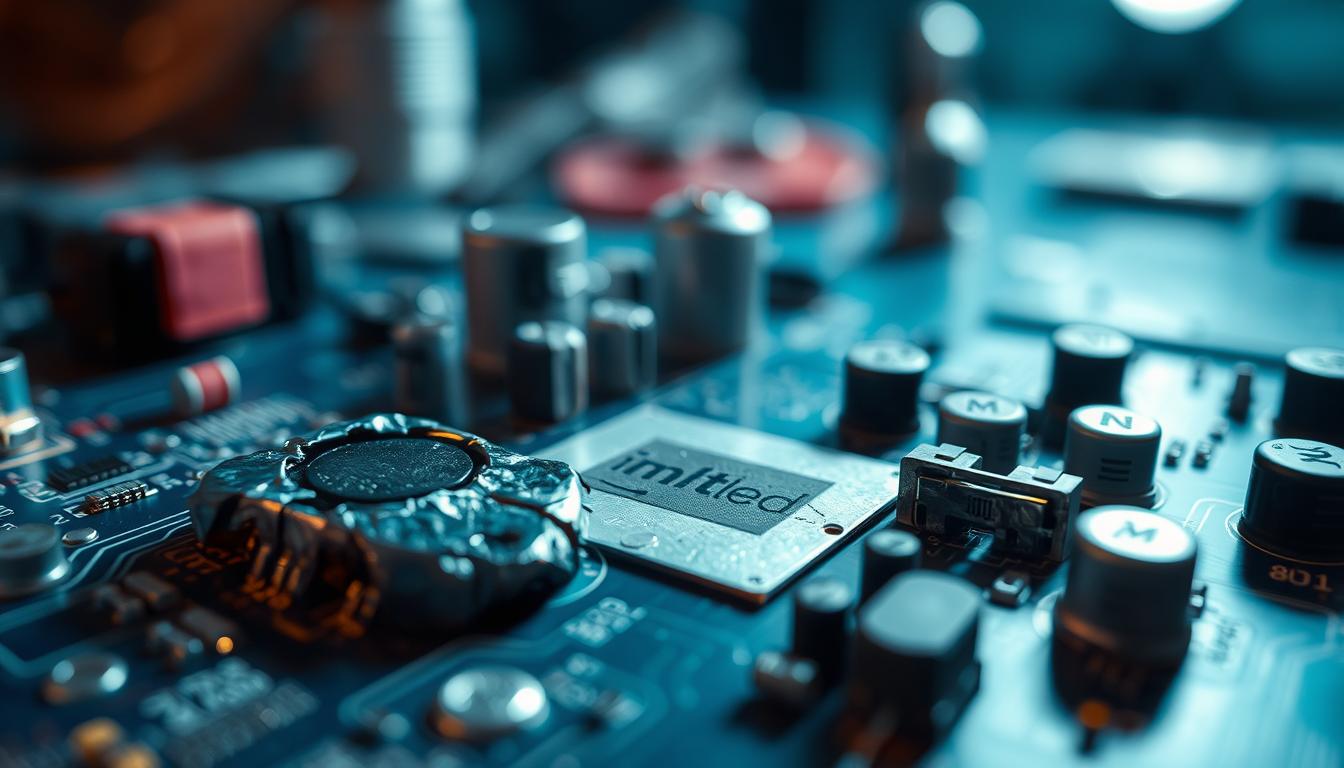
Maintaining the integrity of your lighting setup often comes down to the quality of your electrical connections. While modern technology is highly reliable, LED lighting faults can occasionally occur at the microscopic level where components meet the circuit board.
Causes of Solder Joint Issues
Most connection failures stem from physical stress or environmental degradation over time. When LED strips are bent repeatedly or installed without proper support, the delicate solder points can crack or detach.
You should also watch for signs of poor wiring that might indicate a failing connection. Keep an eye out for these common warning signs:
- Visible corrosion on the copper pads or wires.
- Unusual discoloration of the solder or surrounding plastic.
- Frayed wires that no longer maintain a solid contact.
Prevention and Repair Techniques
We believe that proactive care is the best way to avoid these technical headaches. By using high-quality connectors instead of relying on basic soldering, you can significantly reduce the mechanical strain on your strips.
Always ensure that your LED strips are mounted securely to a clean, flat surface. This simple step prevents the vibration and movement that often lead to poor wiring and eventual system failure.
If you do encounter a failure, do not worry. We are here to provide guidance on professional repair techniques to restore your lighting to its optimal state. Addressing these LED lighting faults early ensures your home remains perfectly illuminated for years to come.
Problem 9: Humidity and Moisture Concerns
While we often focus on brightness, moisture remains one of the most overlooked threats to your home lighting. Many homeowners treat their fixtures as sealed units, but environmental factors can easily penetrate sensitive internal components. Understanding these common LED lighting concerns is the first step toward building a more resilient and reliable home system.
Risks of High Humidity on LEDs
High humidity acts as a silent catalyst for hardware failure. When moisture enters a fixture, it can cause microscopic short circuits on the circuit board. These electrical faults often lead to accelerated degradation of the diodes, which significantly shortens the lifespan of your bulbs.
Furthermore, moisture ingress often triggers overheating within the housing. When electrical pathways are compromised by water vapor, the resistance changes, forcing the components to work harder and generate excess heat. If you notice your lights failing prematurely, you can learn more about the root causes by reviewing this engineer’s guide to troubleshooting and maintenance.
Protecting LEDs from Moisture Damage
The best way to combat environmental damage is to choose the right hardware for the specific location. We always recommend checking the IP (Ingress Protection) rating before purchasing lights for bathrooms, kitchens, or outdoor areas. A higher IP rating ensures that the internal electronics remain shielded from both dust and water.
Proper installation techniques also play a vital role in keeping your system safe. Ensure that all gaskets and seals are tightened correctly during the setup process to prevent moisture from creeping into the housing. By taking these simple, proactive steps, you can enjoy consistent, worry-free lighting regardless of the humidity levels in your home.
Problem 10: Environmental Impact of LED Disposal
As we move toward a greener future, managing the lifecycle of our lighting technology is more important than ever. While we celebrate the energy efficiency of modern bulbs, we must also take responsibility for their eventual retirement. Устойчивое развитие is at the heart of everything we do, and that includes how we handle our lighting waste.
Understanding LED Components
LEDs are sophisticated pieces of technology that contain various materials, including gallium nitride and trace metals. These components are highly efficient during their operational life, but they require careful handling once they reach the end of their cycle. When you notice a persistent buzzing noise coming from a bulb, it is often a sign that the internal driver or components are failing.
Rather than simply discarding these items, we encourage you to view them as valuable resources. Proper management of these materials prevents potential environmental contamination. By staying informed about what is inside your lights, you can make better decisions about their disposal.
Proper Disposal Methods
It is a common misconception that LEDs can be tossed into the general trash like traditional incandescent bulbs. Because they contain electronic circuitry, they should be treated as e-waste. We recommend taking your old bulbs to authorized recycling centers that specialize in electronic components.
Many local retailers and municipal facilities now offer dedicated drop-off points for lighting products. This simple step ensures that the materials are recovered and processed safely. We are dedicated to helping you manage your lighting lifecycle responsibly, ensuring that even the buzzing noise of a failing bulb is handled with environmental consciousness.
| Disposal Method | Воздействие на окружающую среду | Рекомендуемое действие |
|---|---|---|
| General Trash | High (Landfill contamination) | Avoid completely |
| Local Recycling Center | Low (Material recovery) | Primary choice |
| Retailer Take-back | Low (Convenient recycling) | Check local stores |
Problem 11: Availability of Quality Products
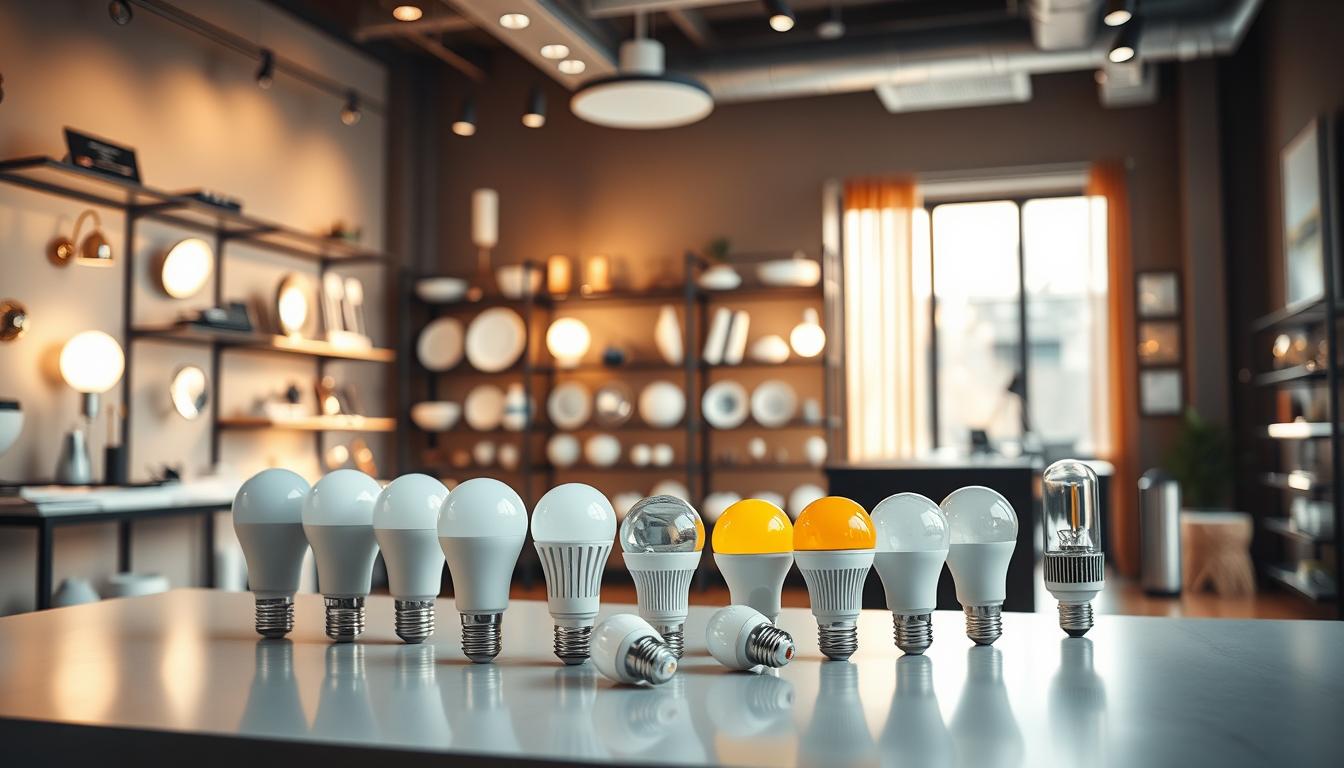
Finding high-quality LED products is the secret to a reliable and beautiful home lighting setup. When you choose premium components, you avoid the frustration of flickering bulbs or premature failure. Quality matters because it directly impacts the atmosphere and efficiency of your living space.
Identifying Reliable LED Brands
Reliable brands provide consistent performance and long-term value for your investment. We suggest looking for manufacturers that provide transparent technical specifications and industry certifications. These markers indicate that the product has undergone rigorous testing for safety and output accuracy.
When you shop, look for brands that stand behind their products with clear warranties. A reputable company will always share details about their light output and energy efficiency. Choosing established brands ensures that you receive the performance you expect without hidden surprises.
Tips for Choosing Quality LED Lights
To get the best results, you must pay close attention to the technical details on the packaging. One of the most important factors is color rendering, which determines how natural colors appear under your lights. High-quality LEDs offer a superior index, making your home look vibrant and true to life.
We recommend following these simple steps to ensure you pick the right lights for your needs:
- Check the color rendering index (CRI) for accuracy.
- Verify the lumen output to ensure sufficient brightness.
- Look for Energy Star or equivalent regional certifications.
- Read customer reviews to gauge real-world longevity.
| Характеристика | Budget LED | Premium LED |
|---|---|---|
| Продолжительность жизни | Коротко | Расширенный |
| Color Rendering | Low Accuracy | High Accuracy |
| Warranty | Ограниченный | Comprehensive |
| Последовательность | Переменная | Uniform |
Conclusion: Addressing LED Lighting Problems
Modern lighting should enhance your daily life rather than create unnecessary stress. We hope this guide empowers you to navigate the 29 Common Problems with LED Lighting with total confidence. Understanding these technical nuances allows you to create a perfect atmosphere in your home or office.
You now possess the knowledge to identify potential faults and implement effective fixes. Proactive maintenance remains the best way to ensure your system performs at its peak. When you prioritize high-quality components, you avoid many common pitfalls associated with inferior hardware.
Making Smart Choices for Your Space
We are dedicated to helping you master the art of troubleshooting LED lighting with ease. Our team at IMLT LED provides the expertise you need to keep your environment bright and efficient. You can reach us at [email protected] or send a message via WhatsApp at 0086 185 8848 3178 for personalized guidance.
Our experts enjoy resolving LED lighting problems to ensure your setup remains reliable for years. We look forward to supporting your journey toward a smarter, more sustainable future. Let us help you illuminate your dream life with professional solutions tailored to your specific needs.