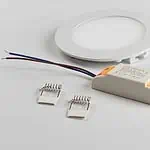
Every electronic device you use, whether it’s your phone charger, laptop, or home appliance, relies on a power supply. This component converts electricity from the wall outlet into the right voltage and current your device needs to work safely and efficiently.
Among the most common types are linear power supplies and switching power supplies (SMPS). While they perform the same job, the way they do it is completely different, and so are their advantages, limitations, and ideal applications.
Understanding these two types can help you design better circuits, choose the right product for your project, and even troubleshoot issues more effectively. In this guide, we will discuss how both types work, what parts they use, and when to use one over the other.
Hide
What is a Power Supply and Why It Matters
A power supply is a device or system that converts electrical energy from one form to another. Most commonly, it takes AC (alternating current) from the mains and transforms it into DC (direct current) that electronic devices can safely use.
But power isn’t just about voltage levels. Good power supplies regulate the output, protect against surges, maintain consistency under load, and sometimes even isolate the load from the input. That’s where design choices like linear vs. switching come into play.
If you’re designing or sourcing a power supply, choosing the wrong type could lead to:
- Unstable performance
- Overheating components
- Noise interference in sensitive circuits
- Unnecessary energy loss
Let’s start by understanding each type
Understanding Linear Power Supplies
Linear power supplies are known for their simplicity and clean power output. Let’s look into what they are, how they work, and the components that make them function.
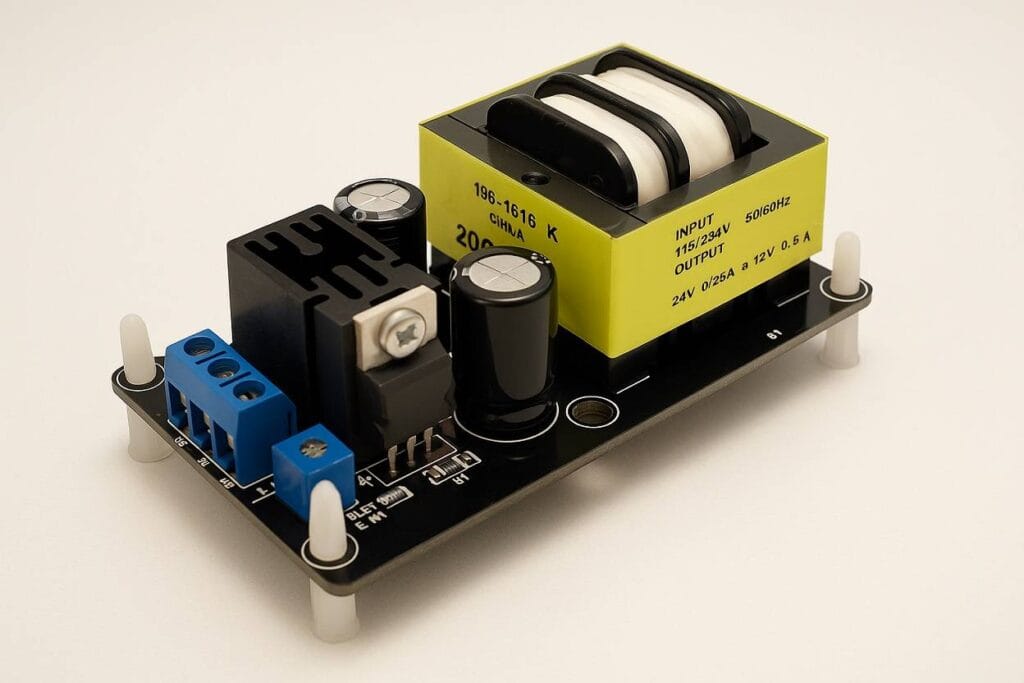
What is a Linear Power Supply?
A linear power supply is a type of power conversion method that delivers a stable DC voltage using analog regulation. It’s often used in older electronics and sensitive devices such as medical equipment, lab instruments, and audio systems, where even tiny amounts of electrical noise can cause problems.
Linear supplies are preferred when noise, ripple, and precision matter more than energy efficiency or size.
How Linear Power Supplies Work
Here’s how a typical linear power supply works:
- Transformer: Reduces high-voltage AC from the wall to a lower AC voltage.
- Rectifier: Converts AC to pulsating DC using diodes.
- Filter Capacitor: Smooths the DC signal.
- Voltage Regulator: Provides a steady, regulated output voltage.
This method is simple, but it wastes extra energy as heat. That’s why these power supplies often have heat sinks or metal casings to handle thermal load.
Understanding Switching Power Supplies
Switching power supplies have become the go-to choice in modern electronics due to their high efficiency and compact size. Here’s how they work and what sets them apart.
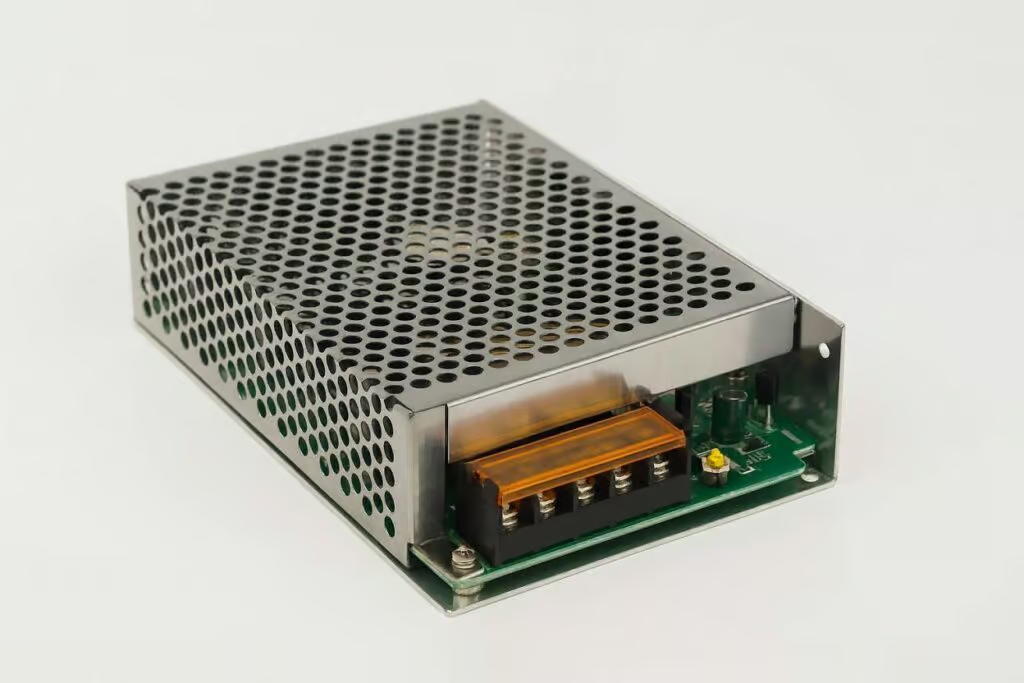
What is a Switching Power Supply (SMPS)?
A switching power supply works by turning electrical power on and off rapidly using high-speed switches. These bursts of energy are then shaped and regulated to produce a consistent DC output.
This high-frequency switching reduces energy loss and allows for much smaller transformers and components, making SMPS ideal for laptops, smartphones, TVs, and industrial control systems.
How Switching Power Supplies Work
The process of SMPS power regulation involves several steps:
- AC to DC Rectification: Converts AC input to high-voltage DC.
- Chopper Switch: Rapidly turns power on and off using a MOSFET or IGBT.
- High-Frequency Transformer: Adjusts the voltage level.
- Rectifier and Filter: Smooths the pulsed DC output.
- Control Loop: Uses PWM (Pulse Width Modulation) to regulate output voltage based on feedback.
The result is a power supply that’s more efficient, lighter, and adaptable across a range of input and output voltages.
Key Differences Between Linear and Switching Power Supplies
Understanding the differences can help you pick the right solution. Here’s how the two types compare in the most important categories:
| Feature | Linear Power Supply | Switching Power Supply (SMPS) |
| Efficiency | Low (30–60%) | High (70–95%) |
| Size and Weight | Bulky, heavy | Compact, lightweight |
| Noise (EMI) | Very low | Higher (needs EMI filtering) |
| Heat Generation | High | Low |
| Design Simplicity | Easy to build | More complex |
| Cost | Lower for simple needs | May be higher initially |
| Best For | Audio, medical, lab equipment | Consumer electronics, LED systems |
Pros and Cons of Linear vs. Switching Power Supplies
Choosing between a linear and switching power supply isn’t just about performance, it’s also about what your application needs. Each type has its own strengths and trade-offs, depending on how much space, noise tolerance, and power efficiency your design requires.
Let’s look at the pros and cons of both, so you can decide which fits your needs best.
Linear Power Supply
Pros:
- Clean, low-noise output (ideal for sensitive analog devices)
- Simple to design and troubleshoot
- Stable voltage with minimal ripple
- Reliable for test equipment and audio systems
Cons:
- Low efficiency (lots of energy wasted as heat)
- Large and heavy due to bulky transformers
- Generates heat and needs cooling systems
- Not suitable for battery-operated or compact systems
Switching Power Supply (SMPS)
Pros:
- High efficiency (70–95%)
- Small, lightweight design
- Handles a wide range of input voltages
- Ideal for portable, high-power, or space-limited applications
Cons:
- More complex circuit design
- Generates electrical noise (requires filtering)
- Ripple can interfere with sensitive analog circuits
- Repair and diagnosis are harder due to many active components
Component Analysis: Linear vs. Switching Power Supplies
Both power supplies use similar stages, rectification, filtering, and regulation, but the components and their functions differ. Let’s break them down:
| Component | Linear Power Supply | Switching Power Supply |
| Transformer | Yes, low-frequency (large) | Yes, high-frequency (compact) |
| Rectifier | Yes | Yes |
| Capacitors | Yes | Yes |
| Regulator | Linear IC or transistor | PWM controller with feedback loop |
| Switching Device | No | Yes (MOSFET/IGBT) |
| Control Feedback | Minimal or none | Required for stability |
Component choices affect heat, cost, footprint, and overall power stability.
Mechanisms of Linear and Switching Power Supplies
Although both supply steady voltage, the method they use is different.
Linear Regulation
Linear power supplies maintain output by dropping excess voltage as heat across a series pass element (transistor or IC). This method is quiet but inefficient.
Switching Regulation
Switching supplies rapidly switch on and off at high frequency. This energy is stored briefly in inductors or transformers, then released to the load. A feedback loop adjusts the switch timing (PWM) to keep voltage steady.
In short:
- Linear = Constant conduction, analog regulation
- Switching = Energy pulses, digital feedback
FAQs
Final Thought
Both linear and switching power supplies have their place in electronics. Linear supplies offer clean, stable voltage for sensitive devices but are bulky and less efficient. Switching power supplies are energy-efficient, compact, and suitable for most modern electronics, but can introduce electrical noise.
Your choice depends on what your device or project needs most: precision and simplicity, or performance and space-saving efficiency. With this guide, you’re now equipped to make that decision confidently.