
Mastering the essentials of home illumination should be a simple and stress-free experience for every homeowner. We believe that your living space deserves high-quality, efficient solutions that enhance your daily comfort. Our goal is to provide a clear path through the technical world of modern fixtures, ensuring you find the perfect match for your unique needs.
Navigating these Light Bulb Basics is the first step toward creating a brighter, more sustainable home. Whether you are upgrading your current setup or starting fresh, we are here to support your journey. You can easily unlock the convenience of LED remote systems to manage your environment with total ease.
If you require personalized assistance or have specific questions, our experts are always ready to help. Please reach out to our team via WhatsApp at 0086 185 8848 3178 or send an email to [email protected]. You can also explore our full range of innovative products at www.imltled.com as we remain committed to making your home more efficient.
Key Takeaways
- Mastering home illumination basics creates a more comfortable and efficient living environment.
- Modern technology allows for seamless control over your home atmosphere.
- Professional support is available via WhatsApp or email for all your technical inquiries.
- Innovative solutions help reduce energy consumption while improving overall lighting quality.
- Personalized guidance ensures you select the best products for your specific space.
The Importance of Choosing the Right Light Bulb
Mastering Light Bulb Basics is the first step toward transforming your living space into a sanctuary. We believe that the perfect home environment starts with the right illumination, which goes far beyond simply brightening a dark corner. By selecting the correct hardware, you create an atmosphere that supports your daily activities and enhances your overall well-being.
Why Lighting Matters in Your Home
Proper lighting is a powerful tool that dictates the mood of every room. When you choose the right intensity and tone, you can easily shift a space from a productive home office to a relaxing retreat in seconds. Quality lighting improves your focus during work hours and helps you unwind when the day finally ends.
We encourage you to think of your lighting as an essential design element rather than an afterthought. When you brighten up your home with smart building decoration, you gain total control over your environment. This level of customization ensures that your home always feels welcoming and perfectly suited to your lifestyle.
Energy Efficiency and Cost Savings
Making the switch to Energy-Efficient Light Bulbs is one of the smartest upgrades you can make for your household budget. Modern technology has evolved rapidly, allowing you to enjoy superior brightness while consuming significantly less power. For instance, high-quality LED options use up to 90% less energy than traditional incandescent bulbs.
This massive reduction in energy consumption translates directly into lower monthly electricity bills. By investing in efficient solutions today, you support a greener planet while keeping more money in your pocket. We are here to help you make informed decisions that balance high performance with long-term financial savings.
Different Types of Light Bulbs Available
We believe that choosing the right illumination starts with knowing the unique characteristics of various technologies. The lighting market has evolved rapidly, offering a wide range of Types of Light Bulbs to suit your specific aesthetic preferences and functional needs.
Understanding these differences allows you to select the best technology for your fixtures. We are here to ensure your transition to modern lighting is both seamless and rewarding.
Incandescent Bulbs: The Classic Choice
For generations, incandescent bulbs were the standard for home lighting. They produce a warm, inviting glow by heating a wire filament until it emits light. While they offer excellent color rendering, they are not the most efficient option for your modern home.
Most of the energy they consume is released as heat rather than light. Because of this, they often require frequent replacements, which can become a hassle over time.
CFLs: Compact and Energy-Saving Options
Compact Fluorescent Lamps, or CFLs, arrived as a popular alternative to traditional bulbs. These coiled tubes use a chemical reaction to produce light, which significantly reduces energy consumption compared to older models.
They represent a middle ground in the evolution of lighting. While they are more efficient than incandescents, they do contain small amounts of mercury and require careful handling during disposal.
LEDs: The Future of Home Lighting
When comparing LED vs Incandescent Bulbs, the advantages of modern technology become clear. LED bulbs have revolutionized the market by providing superior longevity and efficiency that older models simply cannot match.
These bulbs use semiconductor technology to convert electricity into light with minimal heat loss. By choosing LEDs, you enjoy a brighter, more reliable lighting experience that lasts for years. We highly recommend this technology as the gold standard for any contemporary living space.
Understanding Light Bulb Shapes and Sizes
We believe that identifying the correct bulb shape is the secret to a stress-free lighting upgrade. When you explore the various types of light bulbs, you will notice that each design serves a specific purpose in your home. Selecting the right fit ensures that your lighting looks great and functions exactly as intended.
Common Shapes: A, B, C, and More
Bulb shapes are categorized by letters that describe their physical silhouette. The most common is the A-shape, which features the classic pear-like profile found in most households. Specifically, the A19 bulb is the industry standard, measuring approximately 2.375 inches in diameter.
Beyond the standard A-shape, you will encounter B and C types, which are often referred to as candle bulbs. These are typically used in decorative fixtures like chandeliers or wall sconces. Choosing the right light bulb involves matching these unique shapes to the aesthetic of your room.
Size Matters: How to Choose the Right Fit
Every bulb comes with a code that combines letters and numbers to indicate its exact dimensions. The letter represents the shape, while the number indicates the diameter in eighths of an inch. Measuring your fixtures before you shop is the best way to avoid compatibility issues.
If you are unsure about the size, check the base of your existing bulb or the label inside the fixture. Taking a moment to verify these details makes choosing the right light bulb a simple and efficient process. We encourage you to keep these measurements handy to ensure every installation is a perfect success.
The Science of Light Bulb Brightness
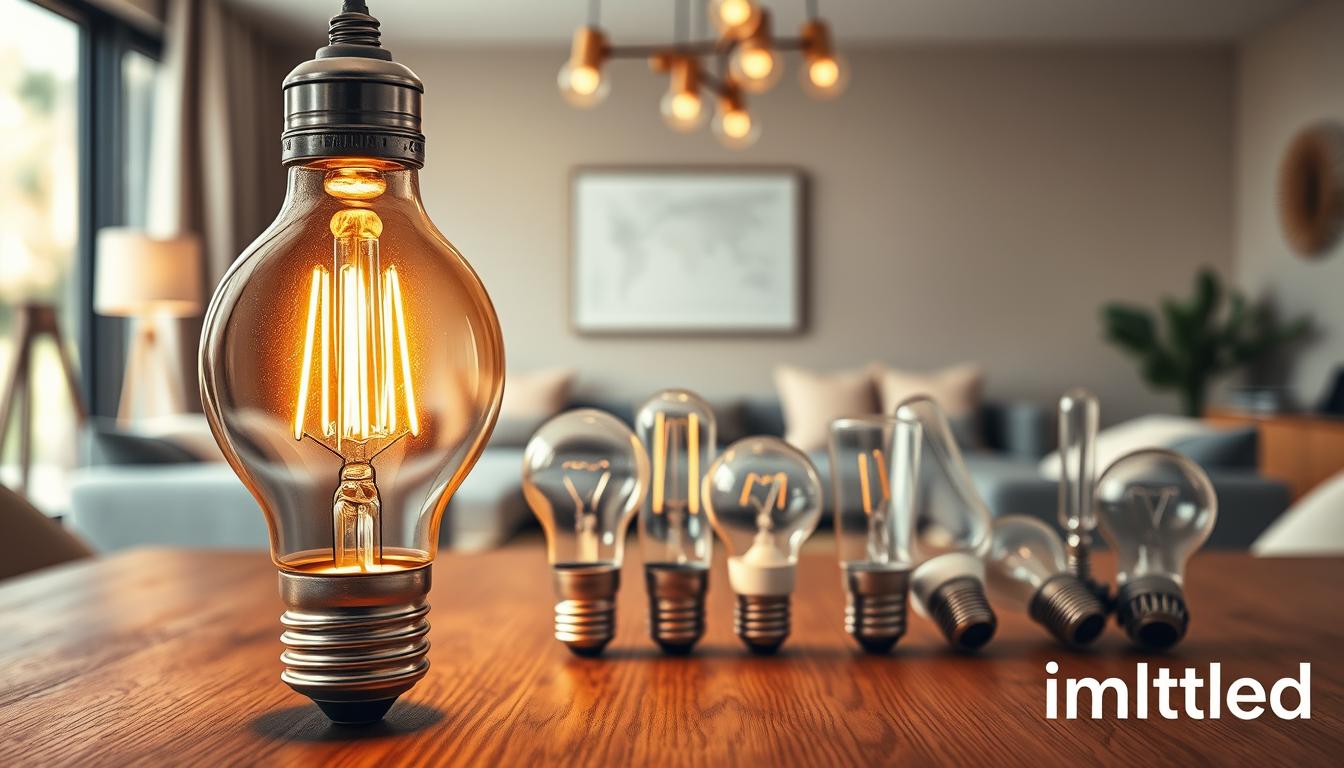
Modern Light Bulb Technology has shifted how we measure the glow of our living spaces. In the past, we relied on power consumption to guess how much light a bulb would provide. Today, we have much more accurate ways to ensure your home feels exactly the way you want it to.
Lumens vs. Watts: What You Need to Know
Many people still make the mistake of looking at the Light Bulb Wattage to determine brightness. However, watts only measure how much energy a bulb consumes, not how much light it produces. Lumens are the true measure of light output.
When you shop for new bulbs, look for the lumen count on the packaging. Higher lumen numbers mean a brighter light, while lower numbers provide a softer glow. Thanks to advancements in Light Bulb Technology, you can now achieve brilliant illumination while using significantly less power than traditional options.
How Brightness Affects Your Space
Choosing the right brightness is essential for creating the perfect ambiance in any room. You do not need high Light Bulb Wattage to make a space feel welcoming or productive. Instead, you should balance your lumen levels based on the specific needs of the area.
For example, kitchens and home offices often require higher lumen counts to support detailed tasks. In contrast, living rooms and bedrooms benefit from lower, warmer light levels that promote relaxation. By focusing on lumens rather than power, you can easily customize the comfort of your home while keeping your energy costs low.
Color Temperature Explained
Color temperature is the secret ingredient in modern Light Bulb Technology that defines your home’s mood. It dictates whether a space feels like a relaxing sanctuary or a productive hub. By mastering this concept, you can transform the look and feel of your living areas instantly.
The Kelvin Scale: Warm vs. Cool Light
The Kelvin scale measures the color appearance of light emitted by a bulb. Lower numbers on the scale, typically between 2000K and 3000K, produce a warm, yellowish glow that mimics traditional incandescent bulbs. This light creates a cozy and inviting atmosphere in your home.
As you move higher on the scale toward 4000K and above, the light shifts to a cool, bluish-white hue. This crisp light is often associated with daylight and provides high clarity. Understanding this range is a fundamental part of utilizing current Light Bulb Technology to your advantage.
Choosing the Right Color for Each Room
Selecting the correct color temperature depends on the function of each room. For bedrooms and living rooms, we recommend warmer tones to encourage relaxation and comfort. These soft hues help you unwind after a long day.
In contrast, kitchens, bathrooms, and home offices benefit from cooler, brighter light. This Light Bulb Technology choice improves focus and makes it easier to perform detailed tasks. Use the following guide to help you decide:
- 2700K – 3000K: Best for bedrooms and living areas.
- 3500K – 4000K: Ideal for kitchens and workspaces.
- 5000K+: Perfect for garages or areas requiring maximum visibility.
We are dedicated to helping you achieve the perfect lighting balance for every unique area of your house. By matching the color temperature to your daily activities, you create a space that feels truly personalized and efficient.
Light Bulb Lifespan: What to Expect

Investing in quality lighting means you spend less time on maintenance and more time enjoying your space. Understanding the Light Bulb Lifespan is a key factor when planning your home upgrades. We want to ensure your home stays bright and welcoming for years to come without the constant need for replacements.
Average Lifespan of Different Bulb Types
When comparing options, the difference in durability is quite remarkable. While traditional options may seem familiar, modern Energy-Efficient Light Bulbs offer a much longer service life. This shift in technology changes how we approach home maintenance.
Consider the stark contrast in LED vs Incandescent Bulbs performance:
- Incandescent Bulbs: These typically last between 750 and 2,000 hours.
- LED Bulbs: These advanced options can last up to 50,000 hours under normal conditions.
Factors that Affect Longevity
Several environmental variables influence how long your lighting will actually perform. Heat is the primary enemy of electronic components, so proper ventilation is essential for maximizing the life of your hardware. If a bulb is trapped in an enclosed fixture, the trapped heat can significantly shorten its operational life.
Installation orientation also plays a subtle but important role in durability. Some bulbs are designed to dissipate heat more effectively when positioned vertically rather than horizontally. By choosing the right fixture and ensuring proper airflow, you can maximize your investment and keep your home illuminated for much longer.
Compatibility with Light Fixtures
We believe that finding the perfect light bulb should be a seamless and stress-free experience for every homeowner. Nothing is more frustrating than bringing home a new bulb only to discover it does not fit your existing socket. By understanding a few simple technical details, you can avoid these common headaches and ensure your home stays bright.
Understanding Base Types and Connections
The most common connection you will encounter in North America is the E26 base, often called the medium screw base. This standard size fits the vast majority of household lamps and ceiling fixtures. However, you may also come across specialized connectors like bi-pin bases, which are frequently used in track lighting or under-cabinet setups.
Always check the base type before you make a purchase to ensure a perfect fit. Using the wrong connection can lead to poor electrical contact or damage to your fixture. Taking a moment to verify these details saves you time and keeps your home lighting system running smoothly.
Ensuring Safe and Effective Use
Safety is our top priority when it comes to your home environment. Always ensure that your bulb is screwed in securely, but avoid over-tightening, which can damage the socket or the bulb itself. Proper installation is essential for maintaining the expected Light Bulb Lifespan and preventing flickering or premature failure.
If you notice a bulb is loose or the socket appears worn, it is best to address the issue immediately. A secure connection ensures that your lighting remains efficient and reliable for years to come. By following these simple steps, you can protect your investment and maximize your Light Bulb Lifespan with ease.
Lighting for Different Rooms in Your Home
Lighting is more than just a utility; it is the essential element that defines the mood and efficiency of your daily environment. By layering your light sources, you can transform any room into a space that feels both professional and welcoming. We recommend paying close attention to the Light Bulb Wattage to ensure your space is neither too dim nor overwhelming.
Creating Ambiance in Living Areas
Your living room serves as the heart of your home, where relaxation and social interaction take center stage. We suggest using warm, soft lighting to create a cozy atmosphere that invites you to unwind after a long day. Flexibility is key here, which is why many homeowners now prefer remote control lights to adjust the mood instantly.
Consider using dimmable bulbs to transition from bright afternoon light to a gentle evening glow. This simple change allows you to customize your environment for movie nights or quiet reading sessions. Always check the packaging to ensure your chosen bulb supports dimming features.
Task Lighting in Kitchens and Workspaces
When it comes to kitchens and home offices, precision is the priority. Task lighting requires brighter, more focused light to ensure safety and efficiency during food preparation or detailed work. You should aim for a higher Light Bulb Wattage in these areas to eliminate shadows and reduce eye strain.
Proper illumination in the kitchen helps you chop vegetables safely and read recipes with ease. In your workspace, a dedicated desk lamp provides the clarity needed for productivity. We find that combining cool-toned bulbs with high output creates the perfect environment for getting things done.
| Room Type | Primary Goal | Recommended Light Bulb Wattage |
|---|---|---|
| Living Room | Relaxation | Low (40W-60W equivalent) |
| Kitchen | Safety & Precision | High (75W-100W equivalent) |
| Home Office | Focus | High (60W-100W equivalent) |
| Bedroom | Rest | Low (40W-60W equivalent) |
Smart Lighting Options for Your Home
Modern Light Bulb Technology has evolved to offer unprecedented levels of convenience and customization for every homeowner. We believe that your living space should adapt to your needs, whether you are hosting a dinner party or winding down for the night. By integrating these advanced solutions, you gain total command over your environment with minimal effort.
Benefits of Smart Bulbs
Smart bulbs provide a level of flexibility that traditional lighting simply cannot match. You can easily adjust RGB colors to set the perfect mood or modify tunable CCT settings to match the natural rhythm of the day. This innovation allows you to transform any room from a bright workspace into a cozy retreat in seconds.
“The best smart lights are not just about convenience; they are about creating an atmosphere that enhances your daily life and well-being.”
Beyond aesthetics, these bulbs are highly efficient and designed for longevity. When you choose the best smart lights, you are investing in a system that reduces energy waste while providing superior illumination. We find that the ability to dim lights or set schedules significantly lowers monthly utility costs.
How to Control Your Lighting Remotely
Managing your home lighting has never been more intuitive thanks to modern mobile applications. You can control your entire house directly from your smartphone or tablet, no matter where you are. This Light Bulb Technology ensures that you never have to worry about leaving a light on when you head out for the day.
Most systems connect seamlessly to your home network, allowing for instant adjustments with just a few taps. Whether you prefer voice commands or manual app control, the process is designed to be simple and stress-free. We are excited to help you embrace this level of connectivity to make your home life more comfortable and efficient.
Where to Buy Light Bulbs and Accessories
Finding the perfect illumination for your home requires access to high-quality products and expert advice. You deserve a partner who understands the nuances of modern lighting technology. Choosing the Right Light Bulb becomes a simple task when you have the right resources at your fingertips.
Online vs. Brick-and-Mortar Stores
Local hardware stores offer the benefit of seeing products in person. Digital platforms provide a wider selection and detailed technical specifications that help you make informed decisions. We invite you to explore our extensive catalog at www.imltled.com to discover innovative solutions tailored to your specific needs.
Our team remains dedicated to your satisfaction. We combine premium quality with professional support to ensure your space shines exactly as you envision. Choosing the Right Light Bulb is a journey we are happy to support.
If you have questions or require a custom quote, please reach out to us today. You can contact us via WhatsApp at 0086 185 8848 3178 or send an email to [email protected]. We look forward to helping you turn your lighting dreams into a reality.