
Modern illumination has truly transformed how we experience our homes and businesses. By offering incredible flexibility and energy efficiency, these lighting solutions have become a staple for anyone looking to upgrade their environment. We believe that your project should be a simple, rewarding, and stress-free experience from start to finish.
Even with the best components, small errors can often disrupt your vision. Following LED strip setup best practices ensures your space looks professional and functions perfectly for years to come. Whether you are planning a complex layout or a simple accent, getting the details right is essential. If you need to get the right strip light remote for your, our team is here to help you navigate the technical choices.
We are dedicated to making your lighting journey effortless. For personalized support, please reach out to us at [email protected] or contact our team via WhatsApp at 0086 185 8848 3178. You can also explore our full range of professional solutions at www.imltled.com to help illuminate your dream space.
Key Takeaways
- Plan your layout carefully to ensure consistent brightness across all segments.
- Always verify voltage compatibility between your power supply and lighting components.
- Use high-quality connectors to maintain a secure and reliable electrical connection.
- Test all hardware before final mounting to identify potential issues early.
- Reach out to our professional team for guidance on complex smart lighting configurations.
Understanding LED Strip Lighting Basics
Mastering the core elements of LED strip technology is the first step toward a professional-looking lighting project. A typical LED strip consists of high-quality surface-mounted LEDs attached to a flexible printed circuit board (PCB). These strips are designed to operate on low-voltage 12V or 24V DC power, which is a critical detail for any successful installation.
By learning these fundamentals, you can easily identify Mistakes to Avoid When Installing LED Strip systems. We are here to help you navigate these technical details so your project shines exactly as you imagined. If you need expert guidance, feel free to reach out to us at [email protected] or visit www.imltled.com for more resources.
Types of LED Strips
Choosing the right strip depends on your specific lighting goals. You might select single-color strips for simple accent lighting or advanced RGB+CCT options for dynamic color changes. Understanding the differences between these types is one of the most important LED strip setup best practices to ensure long-term satisfaction.
| Strip Type | Primary Use | Control Capability |
|---|---|---|
| Single Color | Task Lighting | On/Off or Dimming |
| RGB | Decorative/Mood | Color Changing |
| RGB+CCT | Smart Home | Full Color & White Temp |
Power Requirements
Because these strips run on low-voltage DC, selecting the correct power supply is vital. You must match the transformer’s voltage to your strip and ensure the wattage capacity exceeds the total draw of your lighting run. If you are unsure about your specific power needs, our team is available on WhatsApp at 0086 185 8848 3178 to assist you.
Adhesive Backing Features
Most modern LED strips come with a high-quality adhesive backing for quick mounting. However, the longevity of this bond depends heavily on how you prepare your surface. Always ensure the area is clean and dry before peeling the backing, as this simple step prevents common Mistakes to Avoid When Installing LED Strip setups. Following these LED strip setup best practices will keep your lights secure for years to come.
Not Planning the Installation Location
A successful lighting project begins long before you peel the adhesive backing off your strips. Many people rush into the process, but proper planning is the foundation of any great design. By taking the time to map out your layout, you can effectively prevent common LED strip installation errors that often lead to wasted materials or poor aesthetics.
Measuring Space Accurately
Before you purchase or cut any materials, you must measure your target area with precision. Accurate measurements ensure that your strips fit perfectly into coves, under cabinets, or along architectural features. We recommend double-checking your dimensions to avoid the frustration of short strips or unnecessary gaps.
Considering Light Brightness
The location you choose significantly impacts how the light interacts with your room. You should evaluate whether you need high-intensity illumination for task areas or a softer glow for ambient mood lighting. Choosing the right brightness prevents the common mistake of installing lights that are either too dim to be useful or too harsh for the space.
Evaluating Purpose and Use
Think about how you intend to use the room before finalizing your mounting points. Are you highlighting artwork, or do you need functional lighting for a workspace? Avoiding pitfalls in LED strip mounting starts with understanding the specific role your lights will play in your daily life.
If you feel overwhelmed by the planning process, we are here to help. You can reach our support team at 0086 185 8848 3178 or email us at [email protected] to discuss your unique project requirements. For more inspiration and professional tips, visit our website at www.imltled.com.
| Planning Step | Action Required | Goal |
|---|---|---|
| Measurement | Use a laser or tape measure | Perfect fit |
| Brightness Check | Test lumen output | Optimal ambiance |
| Purpose Review | Define task vs. accent | Functional design |
| Layout Mapping | Sketch the path | Avoid errors |
Ignoring Electrical Needs
Proper electrical planning prevents many of the most frustrating LED strip installation errors during your project. We want to ensure your setup is both safe and efficient from the very first moment you plug it in.
Voltage Compatibility
One of the most critical rules is matching your power supply voltage to your LED strips. For example, a 24V strip powered by a 12V supply will not work, while a 12V strip connected to a 24V source may burn out components instantly.
Always double-check the labels on your hardware before making any connections. Using a streamlined LED controller can help you simplify your lighting management and ensure everything stays within the correct voltage range.
Current Rating Considerations
Beyond voltage, you must consider the current rating, often measured in Amps. Your power supply must provide enough current to handle the total load of your lighting system.
- Calculate the total wattage of your strips.
- Ensure your power supply has a 20% buffer for safety.
- Avoid overloading a single power source to prevent flickering or dimming.
Safety Measures
Electrical safety is our top priority, and we want to help you identify common LED strip mistakes to sidestep to avoid potential hazards. Always verify that your power supply matches the requirements of your strips to ensure long-lasting performance.
If you need technical specifications or help selecting compatible hardware, please reach out to us at [email protected]. Our experts are also ready to assist you via WhatsApp at 0086 185 8848 3178 to keep your installation safe and efficient. You can also visit our website at www.imltled.com for more professional guidance.
Failure to Prepare the Surface
Achieving a professional finish starts long before you plug in your LED strips. Many people rush the process, but ignoring the mounting area is one of the most frequent common missteps with LED strip setup. A clean, stable foundation ensures your lights remain secure and perform at their best for years.
Cleaning the Installation Area
Before you peel the adhesive backing, you must ensure the surface is pristine. Dust, grease, and moisture act as barriers that prevent the adhesive from bonding correctly. We recommend using a mild degreaser and a clean cloth to wipe down the area, followed by a thorough drying process.
“Proper preparation is the silent partner of every successful installation; it turns a simple project into a lasting masterpiece.”
Surface Type Impact
Not all surfaces are created equal when it comes to adhesive longevity. While smooth, non-porous materials like metal or glass provide an excellent grip, textured walls or porous wood may require extra support. If you are unsure about the best mounting methods for your specific material, we are here to help.
You can visit www.imltled.com for detailed guides or reach out to us at [email protected]. For immediate assistance, feel free to chat with our team on WhatsApp at 0086 185 8848 3178. We provide professional advice to ensure you are avoiding pitfalls in LED strip mounting effectively.
Installation in Humid Areas
Installing lights in kitchens or bathrooms requires extra vigilance regarding moisture. Even if your strips are rated for damp locations, the adhesive itself can struggle if the surface is not perfectly dry. Always verify that the area is free of condensation before application to prevent the strips from sagging or experiencing electrical shorts.
Overlooking Proper Connection Techniques
One of the most frequent common missteps with LED strip setup involves poor connection quality. Many people focus entirely on the aesthetic placement of the lights while neglecting the electrical path that keeps them glowing. A weak link in your circuit can lead to frustrating performance issues that are difficult to diagnose later.
Soldering vs. Connector Use
Choosing the right method to join your strips is a critical decision for any project. You generally have two primary options to ensure a solid electrical flow:
- Direct Soldering: This method creates a permanent, low-resistance bond. It is ideal for high-vibration areas or long-term installations where you need maximum reliability.
- Specialized Connectors: These offer a user-friendly alternative for those who prefer not to use a soldering iron. They are perfect for quick adjustments and modular setups.
If you decide to use connectors, always opt for high-quality components to prevent voltage drops. You can also unlock the convenience of LED remote systems by ensuring your wiring is compatible with modern controllers.
Importance of Secure Connections
Secure connections are the secret to a flicker-free lighting experience. Loose wires often cause intermittent power loss, which can damage your LEDs over time. By taking the time to ensure every contact point is tight and clean, you effectively avoid many common LED strip mistakes to sidestep during your build.
We are here to help you achieve a professional result every time. If you need guidance on selecting the best hardware or want to learn more about our high-quality connectors, please reach out to us:
- Visit our website at www.imltled.com for product recommendations.
- Send your technical questions to [email protected].
- Connect with our support team on WhatsApp at 0086 185 8848 3178.
Consistency is key to a long-lasting lighting system. Whether you are a beginner or a seasoned pro, prioritizing your connection technique will save you time and effort in the long run.
Misjudging Length Requirements
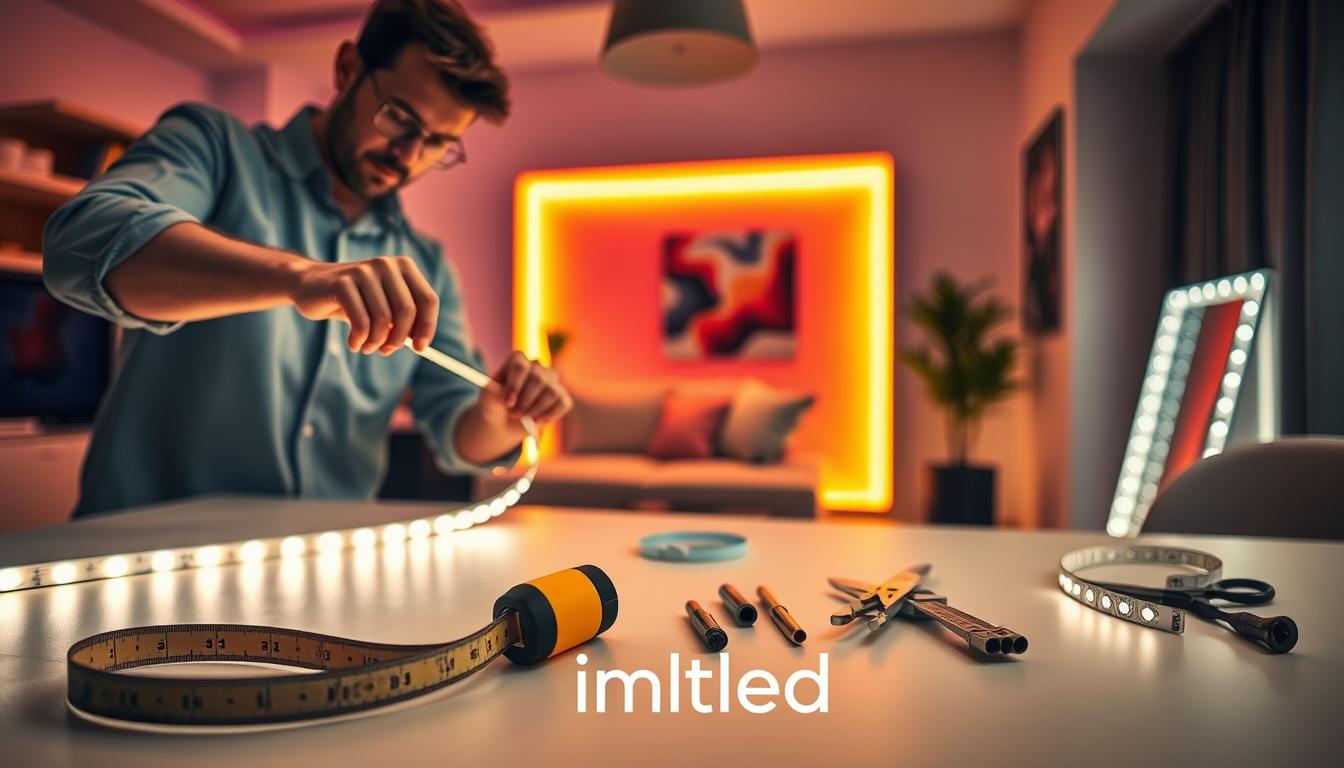
One of the most common pitfalls in home lighting projects is miscalculating the total length of your LED strips. Precision is vital to ensure your space looks balanced and professional. Following these Tips for successful LED strip placement will help you avoid uneven lighting or wasted materials.
How to Calculate Strip Length
Before you begin, measure your installation area carefully. If you are using 12V strips, remember that you must inject power every 5 meters to prevent voltage drop. This simple step ensures that the brightness remains consistent from the start to the very end of your run.
Ignoring these technical limits is one of the Key errors in LED strip placement that often leads to dimming. We recommend mapping out your power points before you secure the strips to the surface.
Connectors and Extension Strip Options
If your project requires longer runs, you can easily use connectors to join multiple strips together. These components allow for seamless transitions around corners or across large gaps. If you feel unsure about your layout, we are here to help you calculate your specific needs.
You can reach out to us at www.imltled.com for guidance on your project. For faster support, feel free to email us at [email protected] or send a message via WhatsApp at 0086 185 8848 3178. We love helping our community create the perfect, stress-free lighting environment.
Avoiding Cuts in the Wrong Places
Always check for the designated cut marks printed on your LED strips. Cutting outside these lines can damage the internal circuitry and cause entire sections to fail. Always take your time to verify the location before making any adjustments to the length.
| Strip Type | Max Run Length | Power Injection | Best Use Case |
|---|---|---|---|
| 12V Standard | 5 Meters | Required at 5m | Accent Lighting |
| 24V High Output | 10 Meters | Required at 10m | Task Lighting |
| Constant Current | 15 Meters | Not Required | Large Spaces |
Using Inappropriate Power Supplies
Ensuring proper LED strip installation starts with choosing the correct power source. Many enthusiasts focus solely on the visual appeal of the lights, but the electrical foundation is what keeps your system running smoothly. Following these tips for successful LED strip placement will help you avoid common flickering or dimming issues that often stem from poor power management.
Choosing the Right Transformer
We always recommend selecting a UL-listed transformer for your project. These units meet rigorous safety standards, providing you with peace of mind and reliable performance. A high-quality transformer acts as the heart of your lighting setup, ensuring that your LEDs receive a steady and clean flow of electricity.
If you feel unsure about which model fits your specific needs, our team is here to help. You can reach out to us via WhatsApp at 0086 185 8848 3178 or send an email to [email protected]. We are dedicated to making your lighting journey as simple and efficient as possible.
Distinguishing Between Wattage Needs
Calculating the total power consumption of your strips is a vital step in the process. You should always sum up the wattage of all connected strips and then add at least 20–30% extra capacity to your power supply. This essential headroom prevents the transformer from overdriving, which significantly extends the lifespan of your LEDs.
By maintaining this buffer, you ensure that your system remains cool and stable during long hours of operation. For more guidance on calculating your specific requirements, please visit our website at www.imltled.com. We are committed to ensuring proper LED strip installation for every customer, helping you achieve the perfect glow for your space.
Neglecting Heat Dissipation
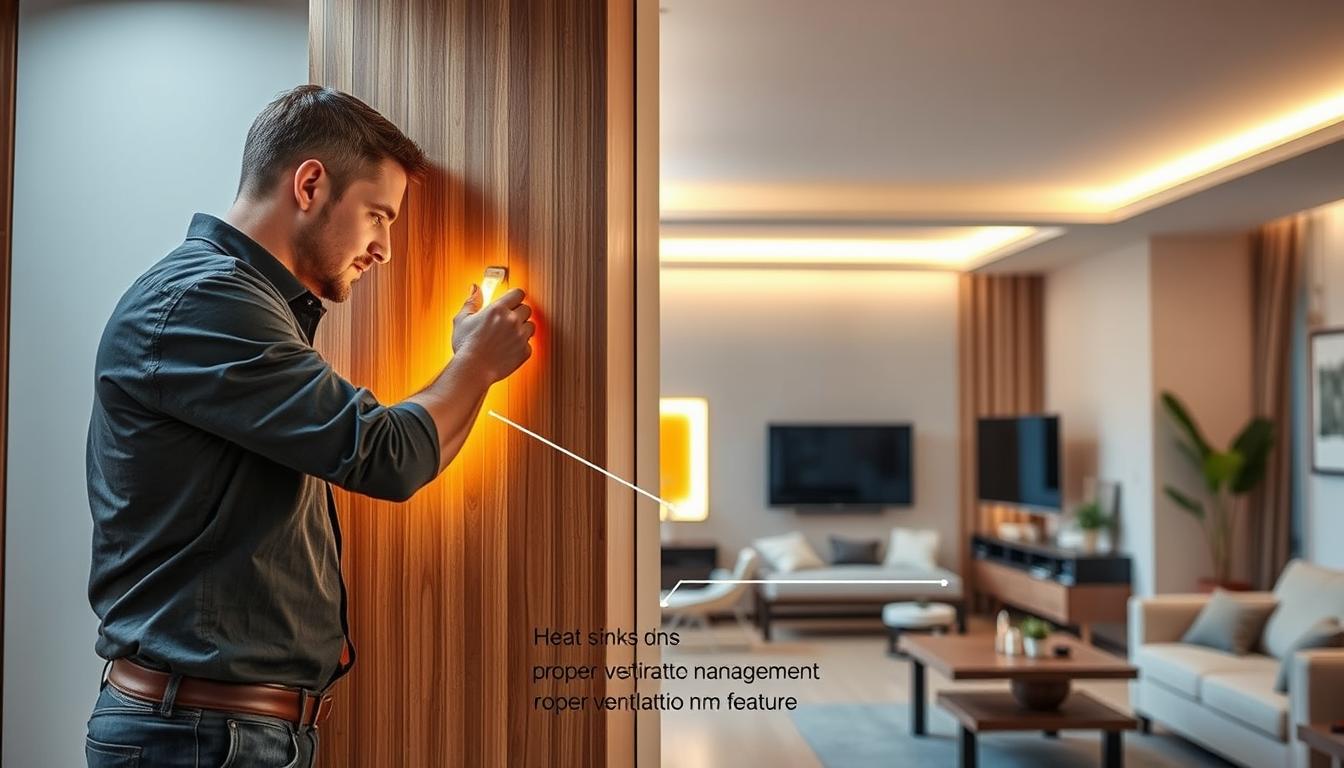
Proper heat dissipation is the secret to long-lasting LED performance. Many users focus on aesthetics but overlook the thermal needs of their lighting systems. Understanding these proper LED strip installation techniques will help you avoid common pitfalls that shorten the lifespan of your components.
Importance of Proper Ventilation
LEDs are highly efficient, but they still generate heat during operation. If this heat remains trapped, it can degrade the internal electronics and cause the light output to dim over time. One of the key errors in LED strip placement is mounting strips in enclosed, unventilated spaces where heat has nowhere to go.
Ensuring adequate airflow is essential for maintaining the integrity of your setup. Whether you are working with ceiling tile lights or accent strips, always allow for natural convection. This simple step prevents overheating and keeps your system running smoothly for years.
Using Aluminum Channels
The most effective way to manage temperature is by using aluminum extrusion channels. These profiles act as a highly efficient heat sink, drawing heat away from the LED diodes and dissipating it into the surrounding air. By incorporating these channels, you are following the best proper LED strip installation techniques to protect your investment.
If you are looking for high-quality aluminum profiles, visit www.imltled.com or email us at [email protected] for our latest catalog. We are here to help you avoid key errors in LED strip placement and achieve a professional finish. You can also contact us on WhatsApp at 0086 185 8848 3178 to discuss how to optimize heat dissipation for your specific project.
Skipping Installation Testing
Achieving a professional glow requires more than just high-quality hardware. You must prioritize proper LED strip installation techniques to ensure your system remains reliable and vibrant for years. Taking the time to verify your setup before mounting prevents common mistakes when installing LED strip lights that often lead to frustration.
Verifying System Performance
We suggest using a multimeter to check the output voltage under load. This simple step confirms that your power supply and connections are working in harmony. Ensuring proper LED strip installation involves testing every segment before you peel the adhesive backing. This proactive approach saves you from hidden wiring issues once the strips are permanently fixed in place.
Our team at IMLTLED wants your lighting project to shine bright. If you encounter any technical hurdles or need guidance on your specific layout, reach out to us at [email protected]. You can also connect with our experts through WhatsApp at 0086 185 8848 3178 for real-time support. Visit our website at www.imltled.com to explore innovative solutions designed to make your home or business lighting setup simple and efficient.