
Modern illumination projects often require a precise fit to achieve that perfect, polished look. Many homeowners wonder, can you cut LED strip lights to match their specific room dimensions? The answer is a resounding yes. These flexible circuit boards are designed for customization, allowing you to trim them at designated points to fit any nook or cranny.
Mastering the art of customization ensures your lighting setup functions flawlessly while looking professional. Once you have tailored the length, the next step involves securing a reliable connection to keep your space glowing. If you find yourself needing to manage your new setup, remember to get the right strip light remote for your to maintain total control.
We are here to help you navigate these technical steps with confidence. Whether you are a business owner or a DIY enthusiast, our team provides the clear, actionable guidance needed to illuminate your environment. For further support, feel free to reach out to us at [email protected] or via WhatsApp at 0086 185 8848 3178.
Key Takeaways
- LED strips are highly flexible circuit boards that allow for easy, custom-length installations.
- Always identify the specific copper markings on the board before making any physical adjustments.
- Solderless connectors offer a simple, tool-free way to join segments while maintaining a clean aesthetic.
- Properly pairing your controller with a compatible remote ensures seamless dimming and color management.
- Reach out to our expert team for personalized advice on complex lighting configurations or troubleshooting.
Understanding LED Strip Lights
Transforming your living space is easier than ever when you leverage the power of flexible, adhesive-backed LED technology. These modern lighting solutions have revolutionized how we approach interior design, offering a level of customization that older technologies simply cannot match.
When performing a neon signs comparison, it is helpful to look at the core neon lights differences that set these two technologies apart. By evaluating these factors, you can make an informed decision that perfectly suits your home or office environment.
What are LED Strip Lights?
At their core, LED strip lights are flexible circuit boards populated with surface-mounted light-emitting diodes. They typically come with a convenient adhesive backing, allowing you to mount them on almost any clean, dry surface.
Unlike rigid glass tubes, these strips can be bent, cut, and shaped to fit tight corners or unique architectural features. This inherent flexibility makes them a favorite for both DIY enthusiasts and professional installers alike.
Benefits of Using LED Strip Lights
The primary advantage of these lights is their incredible versatility. When you integrate smart LED lighting into your setup, you gain the ability to control colors, brightness, and dynamic effects directly from your smartphone or voice assistant.
This level of control creates a truly immersive atmosphere. Below is a breakdown of how these modern strips stack up against traditional options.
| Feature | Glass Neon Lights | LED Neon Lights |
|---|---|---|
| Flexibility | Rigid/Fragile | Highly Flexible |
| Installation | Professional Required | Easy DIY |
| Energy Use | High | Low |
| Control | Manual Switch | Smart/App Control |
When weighing the neon lights pros and cons, the glass neon lights vs. LED neon lights debate often comes down to maintenance and safety. LED strips run cooler, last longer, and provide a safer, more efficient neon lights comparison for modern households.
Can You Cut LED Strip Lights?
Achieving the perfect fit for your lighting project often requires trimming your LED strips to size. Many users ask, can you cut LED strip lights without ruining the entire circuit? The answer is a resounding yes, provided you follow the specific guidelines printed on the strip itself.
Understanding the Cutting Process
The internal design of these lights is modular, meaning they are built in repeating segments. Each segment contains a complete circuit that functions independently from the others.
You will notice small copper pads located at regular intervals along the length of the strip. These pads serve as the designated boundary where one circuit ends and the next begins. Cutting directly through these markers ensures that you do not damage the electrical path, allowing both the remaining strip and the cut-off portion to function correctly if reconnected.
Recommended Cutting Points
Identifying the correct location is vital for a successful installation. Always look for the copper dots or scissor icons printed on the flexible circuit board. Never cut in the middle of a segment, as this will break the connection and render that portion of the strip useless.
When working with waterproof LED strips, you must take extra precautions to maintain their durability. Here are a few tips to keep in mind:
- Always use a sharp pair of scissors or a utility knife for a clean, straight cut.
- For waterproof LED strips, ensure you apply a silicone end cap or sealant after cutting to protect the exposed circuitry from moisture.
- Double-check your specific model, as high-density or smart strips may have different spacing between the copper pads.
By following these simple steps, you can customize your lighting layout to fit any corner or cabinet with ease. Taking your time to locate the proper cut lines will ensure your project looks professional and functions perfectly for years to come.
Tools Needed for Cutting LED Strip Lights
Achieving a professional finish on your lighting project starts with selecting the proper equipment. We want to ensure your installation process is as smooth and efficient as possible. By gathering the right items beforehand, you avoid unnecessary frustration and guarantee a high-quality result.
Essential Tools
To get started, you only need a few basic items that are likely already in your toolbox. A sharp pair of scissors or a high-quality utility knife is vital for this task. These tools allow you to make a clean, straight cut without crushing the delicate internal wiring of the strip.
Using dull blades can damage the copper contacts, which might lead to connection issues later on. We recommend keeping a precision cutter handy if you are working on intricate layouts. This ensures that every segment remains functional and ready for your next step.
Safety Precautions
Your safety is our top priority throughout every stage of your lighting project. Before you even touch the strip, you must confirm the power is disconnected from the source. We strongly suggest using a reliable voltage tester to verify that no electricity is flowing through the wires.
Taking this simple step prevents accidental shorts and keeps you safe while you work. Remember, a careful approach to preparation is the hallmark of a successful installation. By following these guidelines, you ensure that your home lighting remains both beautiful and trouble-free for years to come.
How to Cut LED Strip Lights
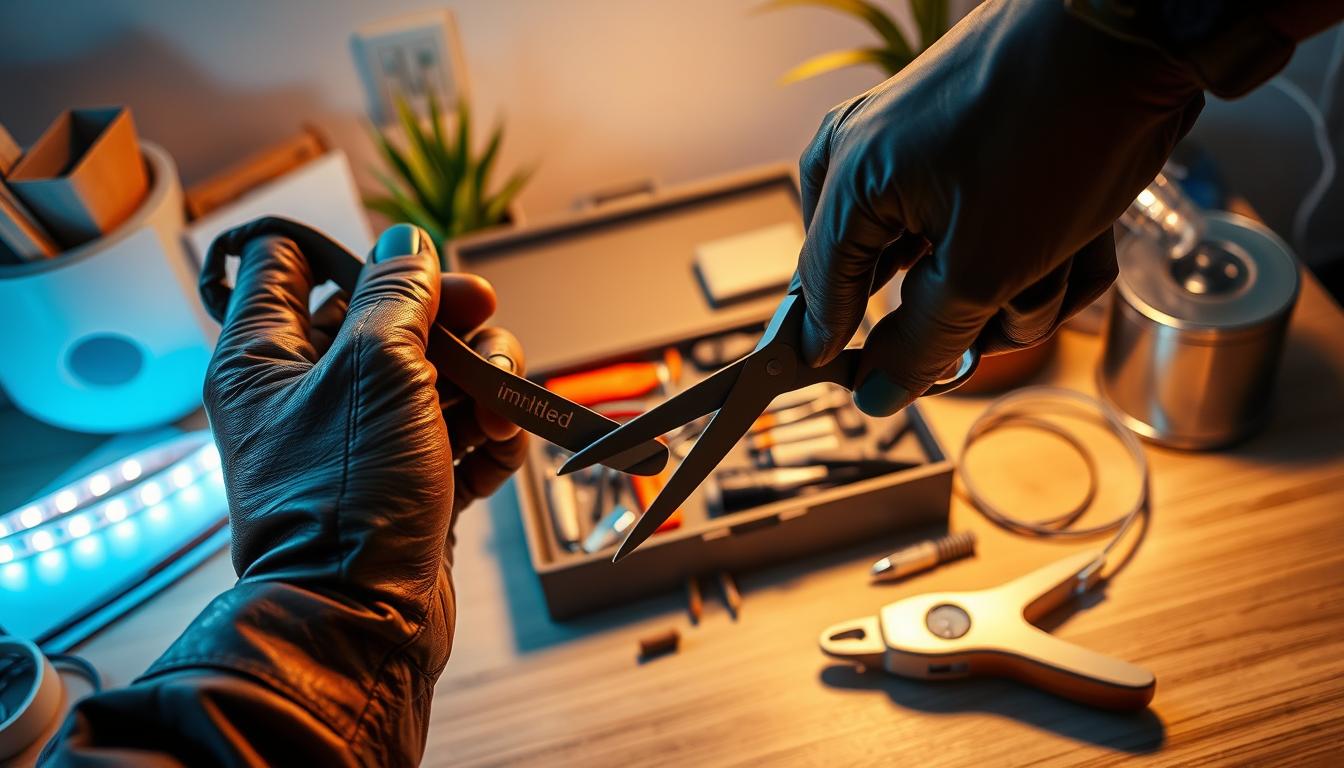
Achieving a professional look with your lighting project starts with mastering the cut. When you take the time to prepare your workspace, your DIY LED installation becomes a simple and stress-free experience. We are here to guide you through every detail to ensure your lights look perfect.
Step-by-Step Guide
First, measure your space carefully to determine exactly where the strip needs to end. Once you have your measurements, locate the scissor icon printed directly on the copper pads of the strip. These marks indicate the only safe places to make a cut without damaging the internal circuitry.
Before you stick the lights in place, clean the mounting surface thoroughly with warm water and mild dish soap. Removing all dirt and grease is essential for a strong, long-lasting bond. After the surface is completely dry, peel the backing and press the strip firmly into position for a clean DIY LED installation.
Common Mistakes to Avoid
Many beginners make the mistake of cutting between the marked lines, which often breaks the electrical path. Always use sharp, high-quality scissors to ensure a clean edge that does not fray the internal wires. If you cut outside the designated zones, you risk rendering a portion of your strip useless.
| Action | Recommended Method | Result |
|---|---|---|
| Surface Prep | Soap and water | Strong adhesion |
| Cutting | Use scissor icons | Functional circuit |
| Placement | Measure twice | Perfect fit |
By following these simple steps, you ensure your lights function perfectly the first time you power them on. Avoiding these common errors will save you time and help you enjoy your DIY LED installation for years to come.
Connecting Cut LED Strip Lights
Reconnecting your LED strips is a straightforward process that allows you to customize your lighting layout with ease. Whether you are navigating around corners or extending your reach, selecting the right LED strip connector types is essential for a professional finish. We believe that anyone can achieve a perfect setup with the right tools and a little bit of guidance.
Types of Connectors
There are several options available to help you join your segments without hassle. Clip-on connectors are a popular, solder-free way to join two strips by simply aligning the copper pads and clamping them shut. These are perfect for beginners who want a quick and clean installation without needing extra equipment.
Other varieties include corner connectors, which allow you to bend your lighting around 90-degree angles. Using the correct LED strip connector types ensures that your power flows smoothly from one section to the next. Always verify that your connector matches the width and pin count of your specific LED strip model.
Soldering vs. Connector Clips
Choosing between soldering and clips often comes down to your project goals and personal comfort level. We often recommend solder-free connector clips for their convenience and ease of use, especially for those new to lighting projects. They save time and eliminate the need for a hot iron, making them a safe and efficient choice for most home installations.
If you prefer a more permanent and robust solution, soldering wires directly to the copper pads is an excellent alternative. This method creates a highly reliable bond that is ideal for areas where the strips might experience vibration or movement. Regardless of the method, ensuring a solid link between the segments is key to maintaining consistent brightness across your entire setup.
Best Practices for Connecting Portions
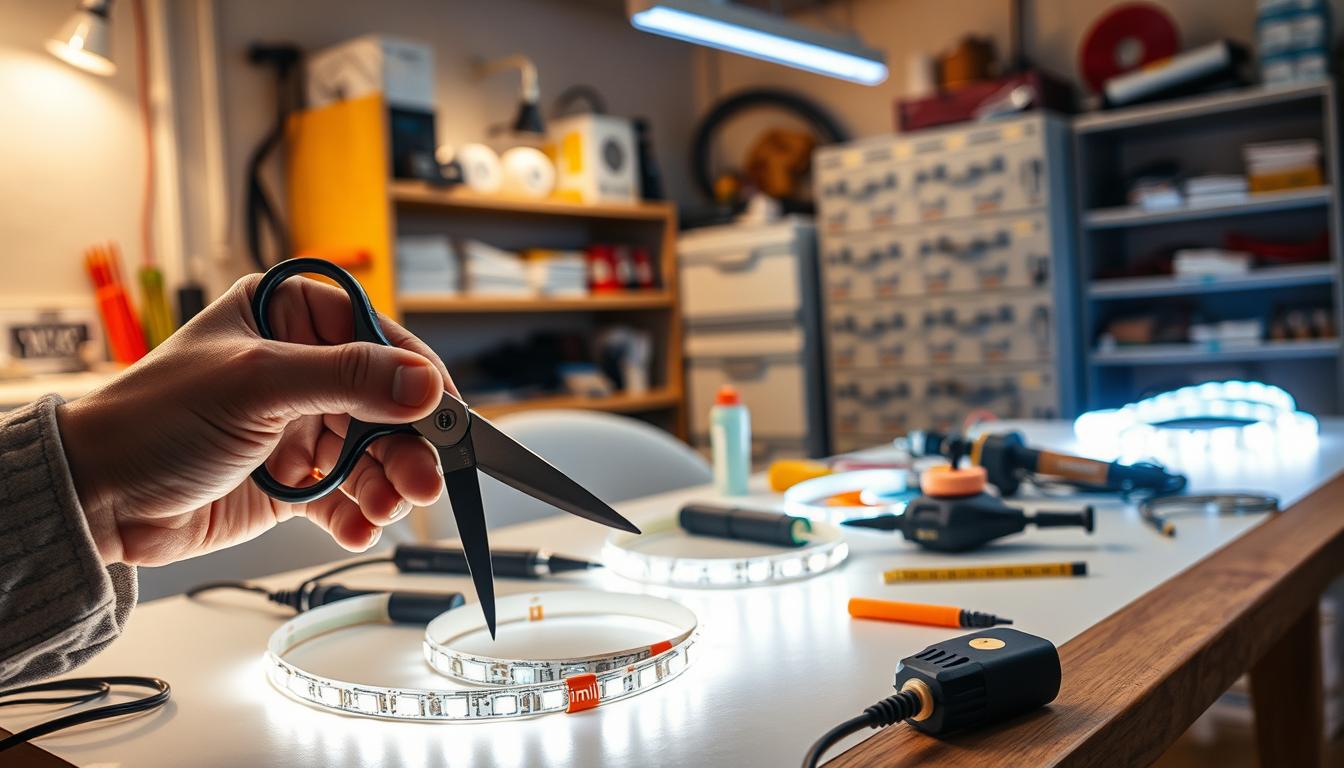
A successful DIY LED installation depends heavily on the precision of your final connections. Taking the time to align your components correctly ensures that your lighting remains stable and bright for years to come. If you are still refining your layout, you can review our guide on how to cut LED strip lights to ensure your segments are prepared for a seamless fit.
Ensuring a Secure Connection
To achieve a reliable link, you must verify that the copper pads on your strip are perfectly aligned with the metal contacts inside your connector. Precision is key here, as even a slight misalignment can prevent the electrical current from flowing through the entire circuit. Always double-check that the positive (+) and negative (-) terminals are matched correctly before you snap the connector shut.
If you feel resistance while closing the clip, stop and re-examine the alignment. Forcing the connection can damage the delicate copper pads or bend the internal pins. A smooth, firm click usually indicates that the strip is properly seated and ready for power.
Testing the Connection
Once you have secured your clips, perform a quick power test to ensure all segments light up as expected. If a section fails to illuminate, do not panic. Simply unplug the power supply and inspect the joint to ensure the polarity is correctly matched on both sides of the connector.
Testing your DIY LED installation before mounting the strips permanently saves you significant time and effort. If the lights flicker or remain dark, a quick adjustment of the strip position within the clip often solves the problem immediately. Refer to the table below to choose the best connection method for your specific project needs.
| Method | Ease of Use | Durability | Best For |
|---|---|---|---|
| Connector Clips | High | Moderate | Quick DIY projects |
| Soldering | Low | High | Permanent installations |
| Wire Leads | Medium | High | Corner turns |
Extending LED Strip Lights
We love helping you grow your lighting designs by showing you how to extend your LED strips effectively. Expanding your setup allows you to cover larger areas while maintaining the same high level of neon lights energy efficiency that makes these systems so popular. With a little planning, you can create a seamless and bright lighting effect throughout your home.
Methods to Extend Length
When you decide to add more length to your installation, you must pay close attention to the specific cut points on your strips. Typically, 12V strips feature cut points every 3 LEDs, while 24V strips often have them every 6 LEDs. Always ensure you cut exactly on these marked lines to keep the circuitry intact.
To join these sections, you should use the correct LED strip connector types that match the width and voltage of your product. These connectors provide a reliable physical link without the need for complex tools. Choosing the right hardware ensures your connection remains secure and visually consistent across the entire run.
Considerations for Power Supply
Adding more length to your project increases the total power draw of your system. You must verify that your power supply has enough capacity to handle the additional load. If you exceed the rated wattage, you may experience dimming or potential damage to the strips.
We recommend calculating the total power requirements before finalizing your extension. By selecting a robust power supply, you protect your neon lights energy efficiency and ensure long-term performance. Using high-quality LED strip connector types will further help maintain stable voltage levels, preventing the dreaded voltage drop that can occur in very long runs.
Troubleshooting Common Issues
Even the most advanced smart LED lighting setups can occasionally run into minor hiccups. While we strive for perfection, small technical challenges are a natural part of any DIY project. Fortunately, most of these concerns are simple to resolve with a bit of patience and the right approach.
LED Lights Not Lighting Up
If your strips fail to illuminate, the first thing to check is the physical connection. Often, the positive and negative terminals are not perfectly aligned within the connector clip. Ensure that the copper pads on your strip are making firm, direct contact with the metal pins inside the connector.
Sometimes, a loose connection is the only thing standing between you and a beautifully lit room. Double-check that the strip is pushed all the way into the housing. A secure, snug fit is essential for consistent power flow.
Flickering LED Strips
Flickering is usually a sign that your smart LED lighting system is struggling with power distribution. If you notice your lights pulsing or dimming, verify that your power supply provides the correct voltage for the entire length of the strip. Using a power supply that is too weak for the total length can lead to unstable performance.
We recommend calculating your total wattage requirements before installation to avoid these issues. If the flickering persists, inspect your wiring for any loose joints or damaged sections. Keeping your connections tight and your power source adequate will ensure your lights shine brightly for years to come.
Maintenance Tips for LED Strip Lights
Proper care is the secret to maximizing the neon lights durability and ensuring your lighting remains a beautiful feature of your home. We want your setup to shine brightly, so we recommend a proactive approach to keep everything in peak condition. By dedicating just a few minutes to routine checks, you can avoid common issues and enjoy consistent performance.
Cleaning the Strips
Regular neon lights maintenance is essential to keep your strips free of dust and debris. Over time, particles can settle on the surface, which may slightly dim the light output or cause heat buildup. We suggest gently wiping the strips with a soft, dry microfiber cloth every few months to maintain their original luster.
Avoid using harsh chemicals or abrasive cleaners, as these can damage the protective coating of the strips. If you notice stubborn grime, a slightly damp cloth with water is usually enough to get the job done. Always ensure the power is disconnected before you begin any cleaning process to stay safe.
Preventing Damage
Protecting your investment starts with proper installation and environmental awareness. If you are using waterproof LED strips in humid areas like kitchens or bathrooms, always ensure the cut ends are properly sealed. We recommend using silicone sealant or heat-shrink tubing to prevent moisture from creeping into the circuitry and causing corrosion.
It is also wise to check your connections periodically to ensure they remain secure and free from tension. Taking these simple steps will keep your lights looking vibrant and functioning reliably for years to come. Use the table below to keep track of your maintenance schedule.
| Task | Frequency | Action Required |
|---|---|---|
| Surface Cleaning | Every 3 Months | Wipe with dry cloth |
| Connection Check | Every 6 Months | Inspect for loose clips |
| Sealant Inspection | Yearly | Check for moisture gaps |
| Power Supply Test | Yearly | Verify voltage stability |
Where to Buy Quality LED Strip Lights
Selecting high-quality LED strips is the most important step in your lighting journey. Whether you are exploring Glass Neon Lights vs. LED Neon Lights for a custom project, the source of your materials dictates the final result. We always recommend checking the manufacturer’s guidelines before making any modifications to ensure the product is safe and suitable for your specific needs.
Trusted Brands
When you search for reliable lighting, look for manufacturers that provide clear documentation. Trustworthy brands stand behind their products by offering detailed instructions on installation and long-term care. By choosing established companies, you gain access to better support and consistent product quality that generic alternatives often lack.
Always prioritize brands that clearly outline their neon lights maintenance procedures. Proper documentation helps you avoid common pitfalls and ensures your installation remains vibrant for years. When you invest in reputable hardware, you are essentially paying for peace of mind and superior performance.
Shopping Considerations
Performing a thorough neon lights comparison is essential before you commit to a purchase. You should evaluate neon signs comparison data to understand the trade-offs between different technologies. Consider the neon lights pros and cons, specifically focusing on how they fit your unique space and design goals.
Key factors to analyze include:
- Neon lights energy efficiency: Look for low-wattage options that reduce long-term costs.
- Neon lights durability: Choose materials that resist heat and environmental wear.
- Neon lights cost: Balance your initial budget with the expected lifespan of the product.
Understanding the neon lights differences in build quality will help you determine which neon lights are best for your specific application. By focusing on these technical details, you can confidently select a lighting solution that perfectly balances aesthetic appeal with lasting value.
Contact Information and Support
Mastering the art of customizing your space with LED strips brings a sense of accomplishment and creative freedom. We remain dedicated to supporting your journey toward a brighter and more efficient home environment through every step of your installation.
Whether you are planning a complex setup or simply need help selecting the right products, our team provides friendly and professional guidance. You can explore our smart simple lighting solutions to see how our technology transforms any area into a vibrant display.
How to Reach Us
Our experts are ready to assist with any technical questions or shipment inquiries you might have. You can visit our website at www.imltled.com to browse our full catalog and access our comprehensive FAQ section for quick troubleshooting.
For personalized assistance, send an email to [email protected] at your convenience. You can also reach out via WhatsApp at 0086 185 8848 3178 for real-time chat support. We look forward to helping you illuminate your dreams with our innovative and reliable lighting products.