
Navigating the world of modern lighting can feel overwhelming, but we are here to make it simple. Understanding the fundamental differences between a Leading Vs. Trailing Edge Dimmer is the first step toward achieving the perfect ambiance in your home or business.
At www.imltled.com, we dedicate ourselves to ensuring your lighting setup is both efficient and perfectly adjusted to your unique needs. We believe that smart technology should simplify your life, not complicate it.
If you have questions about your specific installation, our team is ready to help. Feel free to reach out via WhatsApp at 0086 185 8848 3178 or send an email to [email protected] for expert guidance. This guide serves as your comprehensive resource for making the right choice for your LED projects.
Key Takeaways
- Learn the core technical differences between common dimming technologies.
- Discover which system offers the best compatibility for your LED lights.
- Understand how to prevent flickering and humming in your lighting circuits.
- Get expert advice on choosing the most energy-efficient solutions.
- Connect with our team for personalized support on your next installation.
Understanding Dimmer Types
Achieving the perfect ambiance in your home requires a clear grasp of how different dimming technology options function. At their core, dimmers are specialized switches that reduce brightness by changing the voltage waveform supplied to your light fixtures.
By understanding these mechanics, you can easily select the right hardware for your specific needs. We want to help you navigate these dimmer types so you can enjoy a flicker-free and efficient lighting experience in every room.
What are Leading Edge Dimmers?
Leading edge dimmers are the traditional choice for controlling lighting. They work by cutting off the beginning of the electrical waveform, which is known as the “leading edge.”
This method is highly effective for older, high-wattage lighting like incandescent or halogen bulbs. Because they are robust and simple, they remain a staple in many older homes.
What are Trailing Edge Dimmers?
Trailing edge dimmers represent a more modern approach to light control. Instead of cutting the start of the wave, they cut off the end, or the “trailing edge,” of the voltage cycle.
This technology is much smoother and quieter, making it the preferred choice for modern LED lighting. By using this method, you can avoid the annoying buzzing sounds often associated with older switches.
Key Differences Between the Two
When performing a light dimmer comparison, it is helpful to look at how each technology handles modern loads. The following table highlights the primary distinctions between these two common solutions.
| Feature | Leading Edge | Trailing Edge |
|---|---|---|
| Primary Use | Incandescent/Halogen | LED/CFL |
| Operation | Cuts start of wave | Cuts end of wave |
| Noise Level | May produce buzzing | Silent operation |
| Compatibility | High for legacy bulbs | High for modern LEDs |
Benefits of Leading Edge Dimmers
Many homeowners still rely on the robust performance of dimmer switches for their daily lighting needs. These devices utilize TRIAC dimming, which is a straightforward and highly effective procedure for controlling electrical current. By cutting the leading edge of the AC sine wave, these switches provide a stable and reliable way to manage light output in various environments.
Compatibility with Traditional Lighting
One of the primary reasons these controls remain popular is their exceptional compatibility with older lighting technologies. They were designed specifically to handle the resistive loads found in classic bulbs. Because they provide a consistent voltage flow, they ensure that your lighting remains steady without the flickering often associated with newer, more sensitive systems.
Cost-effectiveness
For large-scale projects, choosing the right hardware is essential for staying within budget. Leading edge dimmer switches are widely recognized as a cost-effective solution for residential and commercial renovations. Their simple internal architecture keeps manufacturing costs low, allowing you to achieve professional-grade lighting control without a significant financial investment.
“The beauty of traditional dimming technology lies in its simplicity and proven track record. When paired with the right load, it offers a level of stability that is hard to beat.”
Performance with Incandescent Bulbs
When it comes to incandescent and halogen lamps, these switches truly shine. They offer a smooth, flicker-free experience that enhances the ambiance of any room. While modern technology continues to evolve, the classic performance of these dimmer switches remains a benchmark for reliability.
| Bulb Type | Compatibility | Performance |
|---|---|---|
| Incandescent | Excellent | High Stability |
| Halogen | Excellent | Smooth Dimming |
| Modern LED | Limited | May Require Adjustment |
We believe that understanding these benefits helps you make an informed decision for your home. While they may have limitations with newer tech, their value in traditional setups is undeniable.
Advantages of Trailing Edge Dimmers
Modern LED technology demands a more sophisticated approach to dimming than older methods. When you prioritize Dimmer Performance, you ensure that your home lighting remains both efficient and visually pleasing. We find that these advanced units provide the stability required for today’s sensitive electronic components.
Smooth Dimming Range
One of the primary benefits of this technology is the ability to achieve a seamless transition between light levels. Unlike older systems that often jump between brightness settings, these dimmers allow for granular control. You can easily create the perfect mood for any occasion with precise light adjustment.
Enhanced LED Compatibility
Trailing edge dimmers utilize advanced phase-cut technology to communicate effectively with LED drivers. This compatibility is essential because it prevents the hardware conflicts that often plague standard installations. If you are looking to simplify your lighting setup, this technology offers the most reliable path forward.
Reduced Buzzing and Flickering
Nothing ruins a relaxing evening faster than the audible hum or distracting strobe effect of incompatible bulbs. By utilizing a trailing edge approach, you effectively eliminate the electrical noise that causes these common issues. This results in silent operation and a steady, flicker-free glow that protects your eyes and enhances your overall Dimmer Performance. We believe this is the gold standard for any modern, tech-forward living space.
How Do LEDs Work with Dimmers?
Bridging the gap between advanced LED electronics and your wall switch is easier than you might think. Unlike traditional incandescent bulbs that simply resist current to create heat and light, LEDs rely on sophisticated internal drivers to manage power. This fundamental difference means that your standard wall controls often struggle to communicate effectively with modern bulbs.
LED Technology Overview
LEDs operate at much lower voltages and possess unique electrical characteristics compared to legacy lighting. Because they consume very little power, they require a specific signal to adjust their output without shutting down or flashing. When you unlock the convenience of LED remote, you are essentially bypassing the limitations of older, mechanical wall switches.
The Importance of Dimming Compatibility
Achieving proper Dimmer Compatibility is the most critical step in designing your lighting environment. If the electronic driver inside your bulb does not “speak the same language” as your dimmer switch, the results can be frustrating. We always recommend verifying that your hardware is rated for the specific load of your LED installation to ensure smooth, reliable performance.
“The secret to a perfect atmosphere lies in the seamless handshake between the dimmer’s signal and the LED’s driver.”
Common Issues Encountered
When Dimming Functionality is mismatched, you will likely notice annoying side effects. These often include audible buzzing, visible flickering, or a very limited range where the light jumps from off to full brightness instantly. Addressing these issues early prevents unnecessary stress and protects the longevity of your lighting components.
| Feature | Incandescent | LED |
|---|---|---|
| Power Draw | High | Very Low |
| Dimming Method | Voltage Reduction | Pulse Width Modulation |
| Compatibility | Universal | Requires Specific Drivers |
By understanding these electrical nuances, you can avoid common troubleshooting headaches. We are here to help you navigate these technical requirements so you can enjoy a perfectly lit home every single day.
Installation Considerations
Proper installation serves as the foundation for a reliable and efficient lighting experience in your home. Whether you are upgrading a single room or renovating your entire property, the way you handle your hardware determines how well your lights perform. We want to ensure your setup is both compliant and durable for years to come.
Professional Installation vs. DIY
Deciding between a DIY project and hiring a licensed electrician often comes down to your comfort level with electrical systems. If you feel confident working with wall boxes and wire nuts, a simple dimmer swap is usually manageable. However, safety should always be your top priority when dealing with mains voltage.
We recommend hiring a professional if you notice outdated wiring, damaged wall boxes, or if you are unsure about the load capacity of your circuit. A certified electrician provides peace of mind and ensures that your installation meets local building codes. Taking the time to get it right the first time prevents costly repairs later.
Wiring Requirements for Each Type
Each dimmer technology requires specific wiring configurations to function correctly. Leading edge dimmers are generally straightforward, but they often require a minimum load to operate without flickering. In contrast, trailing edge dimmers are more sensitive to the total wattage of your LED array.
You must verify that your wall box has a neutral wire if your specific dimmer model requires one. Many modern smart dimmers need this connection to maintain a constant power supply for wireless features. Always consult the manufacturer’s wiring diagram before making any connections to avoid damaging your new equipment.
| Feature | Leading Edge | Trailing Edge |
|---|---|---|
| Wiring Complexity | Standard | Moderate |
| Neutral Wire | Often Optional | Frequently Required |
| Load Sensitivity | High | Low |
| Best Use Case | Incandescent | Modern LEDs |
Safety Tips for Dimmers
Before you begin any work, always turn off the power at the main circuit breaker panel. Use a non-contact voltage tester to confirm that the wires are truly dead before touching them. This simple step is the most effective way to prevent accidental shocks during your installation process.
- Ensure all wire connections are tight and secure to prevent arcing.
- Do not exceed the maximum wattage rating specified on the dimmer housing.
- Use proper wire nuts and electrical tape to insulate exposed copper.
- Check that the wall box is deep enough to accommodate the new dimmer switch.
By following these professional guidelines, you can create a lighting environment that is both beautiful and safe. We encourage you to take your time and prioritize quality connections to enjoy the full benefits of your dimmable LED system.
Energy Efficiency Comparison
We believe that choosing the right dimmer technology is essential for both your comfort and the environment. By understanding how different hardware interacts with your lights, you can make choices that support a sustainable lifestyle while keeping your home bright and inviting.
Leading Edge Dimmers and Energy Consumption
Leading edge dimmers were originally designed for incandescent bulbs, which rely on simple resistance. Because these dimmers cut the power at the start of the electrical cycle, they often struggle to maintain a steady flow for modern, low-wattage LEDs. This mismatch frequently leads to wasted energy in the form of heat rather than light.
When you use these older units with modern bulbs, you might notice a slight hum or flickering. This indicates that the driver inside your LED is working harder than necessary to compensate for the irregular power delivery. Over time, this inefficiency adds up, impacting your overall energy consumption.
Trailing Edge Dimmers: A Greener Option
Trailing edge technology represents a significant leap forward in energy management. These dimmers turn off the power at the end of the electrical cycle, which provides a much smoother and more stable output for LED drivers. This precise control minimizes power loss and prevents the common issues associated with older dimming methods.
By choosing this technology, you ensure that your lights operate at their peak potential without unnecessary strain. It is a smarter, greener choice that aligns with the needs of modern, high-efficiency homes. You will find that your lighting system runs cooler and lasts longer when paired with the correct hardware.
Long-term Savings with LED Technology
Investing in the right dimming infrastructure is a simple way to secure long-term financial benefits. While the initial setup might require a small investment, the reduction in electricity usage and the extended lifespan of your bulbs provide a clear return on investment. You are not just saving money; you are also reducing the frequency of bulb replacements.
We encourage you to look at the bigger picture when planning your lighting upgrades. A small change in your hardware choice today leads to a more efficient and cost-effective home for years to come. Use the table below to see how these technologies compare in a typical household setting.
| Feature | Leading Edge | Trailing Edge |
|---|---|---|
| Energy Efficiency | Moderate | High |
| Heat Generation | Higher | Lower |
| LED Compatibility | Limited | Excellent |
| Operational Noise | Possible Buzzing | Silent |
Choosing the Right Dimmer for Your LEDs
We believe that finding the perfect lighting control should be a simple and rewarding experience for every homeowner. Selecting the right hardware for your home does not have to be a complex puzzle if you know what to look for. By understanding the core differences between various Dimmer Types, you can ensure your space remains perfectly lit and energy-efficient.
Factors to Consider
When you begin your search, the most critical element is Dimmer Compatibility. Not every switch is designed to handle the low electrical load of modern LED bulbs. You must verify that your chosen device can manage the specific wattage of your lighting circuit to avoid performance issues.
Consider these essential factors before making a purchase:
- Load Capacity: Ensure the dimmer can handle the total wattage of all connected LEDs.
- Minimum Load Requirements: Some older switches require a higher minimum load than LEDs provide.
- Control Technology: Decide if you need standard wall switches or advanced smart home integration.
Tips for Finding the Ideal Product
To make your selection process as straightforward as possible, we recommend checking the manufacturer’s compatibility list for your specific bulbs. Many brands provide a list of tested switches that work seamlessly with their products. You can learn more about the nuances of these systems by exploring our guide on trailing edge vs leading edge dimmer technology.
Always prioritize products that are specifically labeled as LED-compatible. Investing in high-quality hardware upfront will save you from the frustration of flickering lights or buzzing sounds later on. A little research goes a long way in ensuring your system works flawlessly.
Misconceptions About Dimmer Types
A common myth is that any old switch will work with new LED technology. In reality, using an incompatible switch can damage your bulbs or shorten their lifespan significantly. We want to debunk the idea that all Dimmer Types are interchangeable, as the internal circuitry varies greatly between models.
The secret to a perfect lighting environment lies in the harmony between your bulb’s driver and the dimmer’s control method.
By focusing on Dimmer Compatibility and choosing the right technology, you empower yourself to create the perfect atmosphere. We are here to help you make a choice that truly serves your lighting goals and keeps your home running smoothly.
Popular Brands and Models
Navigating the vast landscape of lighting hardware requires a clear understanding of your available Dimmer Control Options. The market offers a wide array of choices, and selecting a reputable manufacturer ensures that your system remains reliable and efficient over time.
We encourage you to look for brands that prioritize innovation and safety. Investing in established names often provides better support and long-term performance for your home lighting setup.
Leading Edge Dimmers from Known Manufacturers
Many traditional manufacturers have perfected the leading edge technology for incandescent and halogen setups. Companies like Schneider Electric and Legrand offer robust solutions that have stood the test of time. These units are often favored for their durability and straightforward installation processes in older buildings.
While these models are excellent for legacy lighting, they require careful verification when paired with modern bulbs. Always check the manufacturer’s compatibility list to ensure your specific LED fixtures will function without issues.
Top Trailing Edge Dimmers on the Market
As LED technology continues to evolve, trailing edge dimmers have become the gold standard for modern homes. Brands such as Lutron and Varilight lead the way by providing smooth, flicker-free performance that users love. These devices are specifically engineered to handle the lower electrical loads of modern lighting.
Choosing a high-quality trailing edge model can significantly improve your Dimmer Control Options by providing a wider, more fluid dimming range. This results in a more comfortable and inviting atmosphere in your living spaces.
Reviews and Recommendations
When shopping for the perfect device, we highly recommend considering a universal dimmer. These versatile units allow you to switch between leading and trailing edge principles, giving you the flexibility to test which mode works best with your specific LED bulbs.
Before making a final purchase, evaluate products based on these key criteria:
- Compatibility: Does the dimmer support the wattage range of your LED array?
- Build Quality: Is the hardware sturdy and well-reviewed by other users?
- Adjustability: Does the unit offer a minimum brightness setting to prevent flickering?
Ultimately, the best choice is one that aligns with your specific technical needs and aesthetic preferences. By focusing on these Dimmer Control Options, you can feel confident that your hardware will deliver consistent, high-quality performance for years to come.
Setting Up Your Dimmer
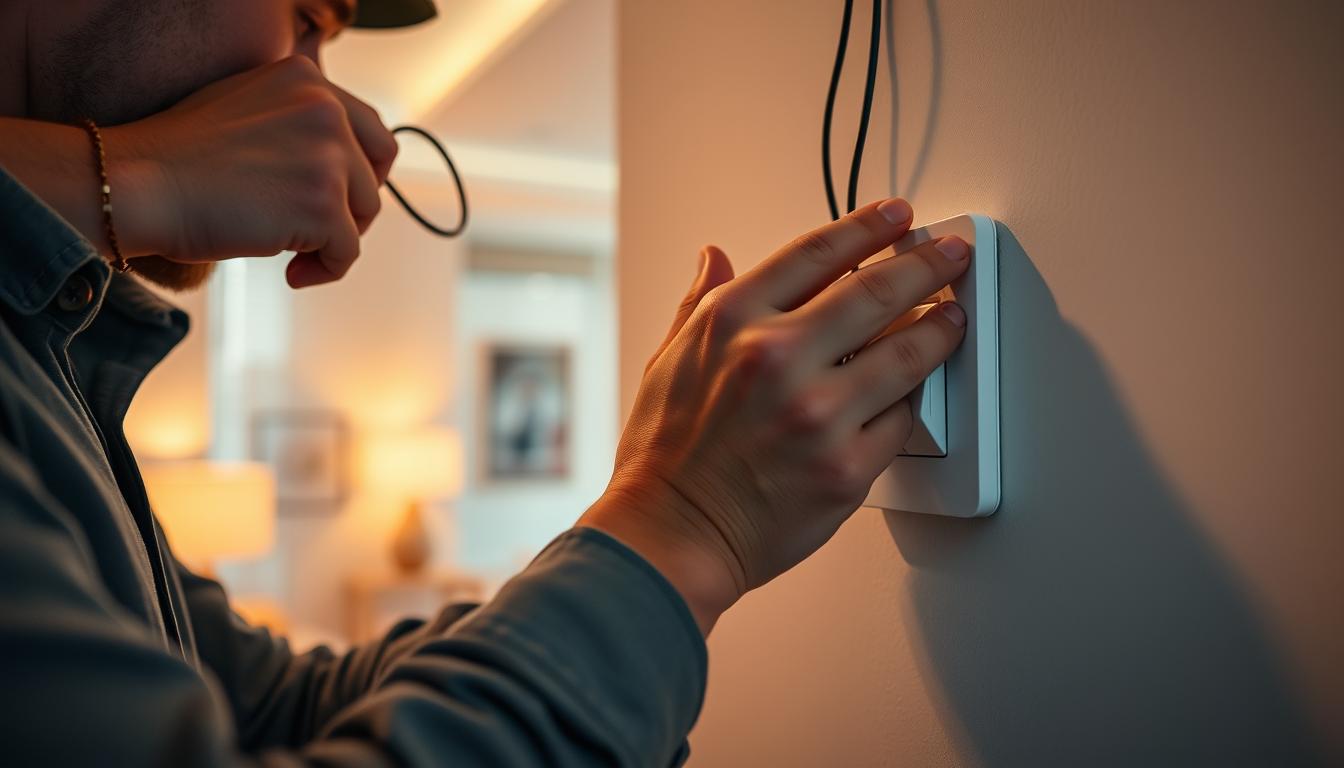
Once you have chosen the perfect hardware, the installation process is the final step toward your ideal lighting environment. We are committed to making your experience with Dimmer Switches as simple and successful as possible. By following these clear guidelines, you can ensure a safe and efficient upgrade for your home.
Installation Steps for Leading Edge
Before starting, always turn off the power at the main circuit breaker to ensure your safety. Remove the existing wall plate and disconnect the old switch, noting which wires are connected to the common and traveler terminals. When installing your new leading edge unit, connect the live wire to the input terminal and the switched live wire to the output terminal.
Ensure all connections are firm and secure to prevent any loose wiring issues. Once the wires are attached, carefully tuck them back into the electrical box. Finally, screw the unit into place and attach the faceplate to complete the look of your new Dimmer Switches.
Installation Steps for Trailing Edge
The process for trailing edge models is quite similar, but pay close attention to the specific wiring diagram provided by the manufacturer. These units often require a neutral wire connection for optimal stability. Verify that your electrical box has the necessary space and wiring configuration before you begin the installation.
Connect the wires according to the color-coded instructions, ensuring that the earth wire is properly grounded. A properly installed device will sit flush against the wall without any gaps. Taking your time during this phase helps guarantee that your Dimmer Switches function exactly as intended.
Testing Your Setup for Optimal Performance
After the installation is complete, restore power at the circuit breaker and test your lights. Slowly rotate or slide the control to observe how the bulbs respond across the entire range. You should see a smooth transition from low light to full brightness without any sudden jumps or flickering.
If you notice any buzzing or instability, double-check your connections or consult the troubleshooting guide. Testing your setup is a crucial phase that confirms your new Dimmer Switches are performing reliably. We want you to enjoy the perfect ambiance in every room of your home.
Troubleshooting Common Issues
Maintaining peak dimmer performance is essential for a seamless home lighting experience. Even with high-quality hardware, you might occasionally encounter minor glitches that disrupt your ambiance. We are here to help you navigate these moments with simple, effective solutions that keep your space glowing perfectly.
Flickering Issues and Solutions
Flickering is often the most common sign that your setup needs attention. This usually happens when the load on the circuit is too low or when the bulb is not fully compatible with the switch type. Check your bulb packaging to ensure it is rated for the specific dimmer technology you have installed.
If the flickering persists, inspect the wiring connections behind the wall plate. A loose wire can cause intermittent power flow, which directly impacts dimmer performance. Tightening these connections often resolves the issue immediately, but always ensure the power is turned off at the breaker before you begin.
Non-Responsive Dimmers
A switch that fails to respond can be frustrating, but it is rarely a sign of a permanent failure. First, verify that the circuit breaker has not tripped, as a simple power reset can often restore functionality. If the switch remains unresponsive, look for a reset button or a specific programming sequence provided by the manufacturer.
Sometimes, the internal fuse within the dimmer may have blown due to a power surge. If you have confirmed that the power supply is active and the unit still does not react, the internal electronics might require a professional inspection. Keeping your system updated ensures consistent dimmer performance throughout your home.
When to Seek Professional Help
While many tasks are manageable for a handy homeowner, safety must always come first. If you notice burning smells, hear buzzing sounds from the wall, or if the switch feels hot to the touch, stop using it immediately. These are clear indicators of a potential electrical hazard that requires an expert.
We recommend calling a licensed electrician if you are uncomfortable working with high-voltage wiring or if you have attempted basic troubleshooting without success. A professional can quickly diagnose complex issues, ensuring your dimmer performance remains safe and reliable for years to come. Your peace of mind is our priority, and knowing when to delegate is a sign of a smart, proactive homeowner.
Best Practices for Dimmer Use
We believe that protecting your investment starts with understanding how to manage your lighting controls effectively. By integrating a few simple habits into your daily routine, you ensure that your home remains as vibrant and efficient as the day your system was installed.
Operating Tips for Longevity
To get the most out of your hardware, always ensure you are using compatible bulbs. Proper Dimmer Functionality relies on the synergy between the switch and the light source. Avoid running your lights at maximum capacity for extended periods if you do not need full brightness, as this reduces unnecessary heat buildup.
Maintenance Tips for Your Dimmers
Regular checks are essential to keep your system running smoothly. When you learn how to choose and install a dimmer, you gain the confidence to perform basic inspections. Explore different Dimmer Control Options to find the settings that minimize electrical strain on your circuits.
How to Maximize LED Lifespan
Consistency is key when it comes to preserving your LED components. We recommend cleaning your switch plates with a dry cloth to prevent dust accumulation, which can interfere with sensitive internal sensors. Following these steps will help you maintain a reliable and efficient lighting environment.
| Maintenance Task | Frequency | Benefit |
|---|---|---|
| Dusting switch plates | Monthly | Prevents sensor interference |
| Checking bulb compatibility | Every 6 months | Reduces flickering and buzzing |
| Testing dimming range | Annually | Ensures smooth light transitions |
Conclusion: Choosing Between Leading Vs. Trailing Edge
Choosing the right technology transforms your environment into a hub of comfort and efficiency. Our team believes that a clear Light Dimmer Comparison empowers you to make smart decisions for your home or office lighting setup.
Key Factors for Your Decision
Modern LED systems require precise control to function at their peak. Evaluating the Leading Vs. Trailing Edge Dimmer options ensures your bulbs last longer and perform without annoying flicker. We prioritize your satisfaction by focusing on compatibility and energy savings in every installation.
Expert Support for Your Lighting Journey
We are ready to guide you toward the best hardware for your specific needs. Visit www.imltled.com to explore our high-quality solutions designed for modern living. You can reach us via WhatsApp at 0086 185 8848 3178 or send an email to [email protected] for personalized advice. Our team looks forward to helping you illuminate your dream life with ease and innovation.