Wall sconces are more than just decorative lighting; they’re timeless, functional fixtures that can transform the feel of a space. Originating centuries ago as torch brackets, today’s sconces come in an endless variety of styles, ranging from sleek, modern designs to ornate, vintage-inspired pieces. Their key feature? They mount directly to the wall and typically project light upward, downward, or in both directions, depending on the model.
Interior designers favor sconces for their space-saving nature, layered lighting ability, and architectural charm. Whether you’re highlighting artwork, creating a cozy nook, or improving nighttime visibility, sconces offer versatile illumination in both indoor and outdoor settings.
In this guide, you’ll learn the types of sconce lights, best placement areas, installation tips, and real-world use cases that prove sconces aren’t just for show; they’re a lighting essential.
Hide
What Is a Sconce Light?
A sconce light is a type of light fixture that’s mounted directly to a wall. Unlike table or ceiling lights, sconces sit flat or slightly extended from the wall and direct light in specific directions, usually up, down, or both.
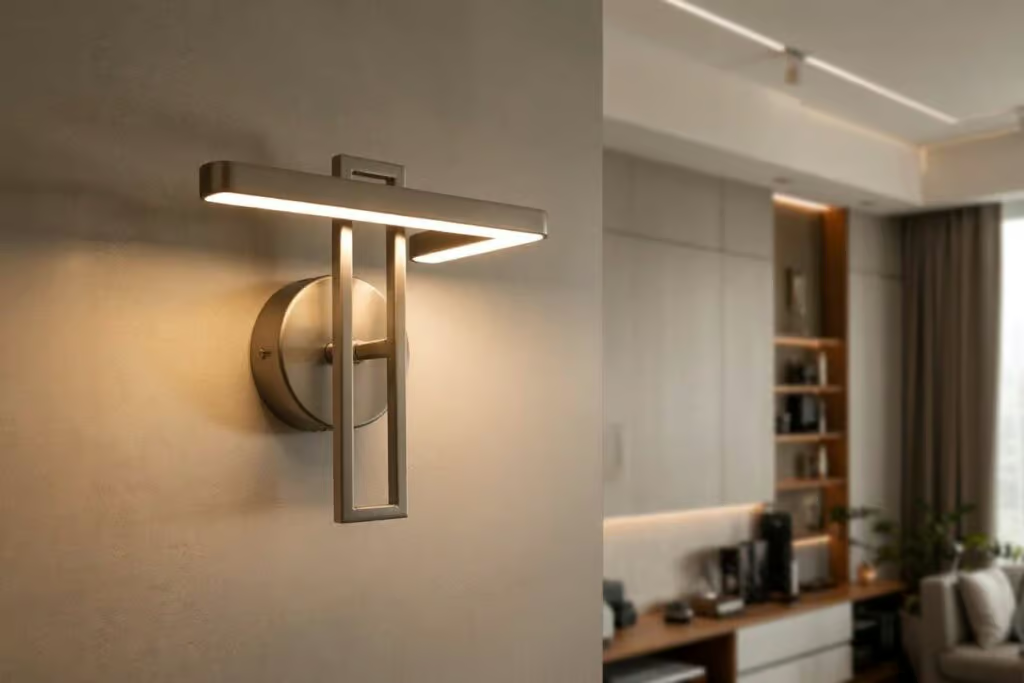
You’ll find models ranging from minimalist metal and glass designs to ornate, vintage-style pieces. Most include shades or covers to control the spread of light. Some are hardwired into the wall (a permanent setup), while others are plug-in types that offer easy installation.
Fact: According to a 2024 HomeLight survey, 78% of interior designers consider sconces essential for layering light in modern homes.
Types of Sconce Lighting
Sconces come in various forms, each serving a specific purpose. Here are the most common types, broken down by how they function and where they work best:
1. Uplight Sconces
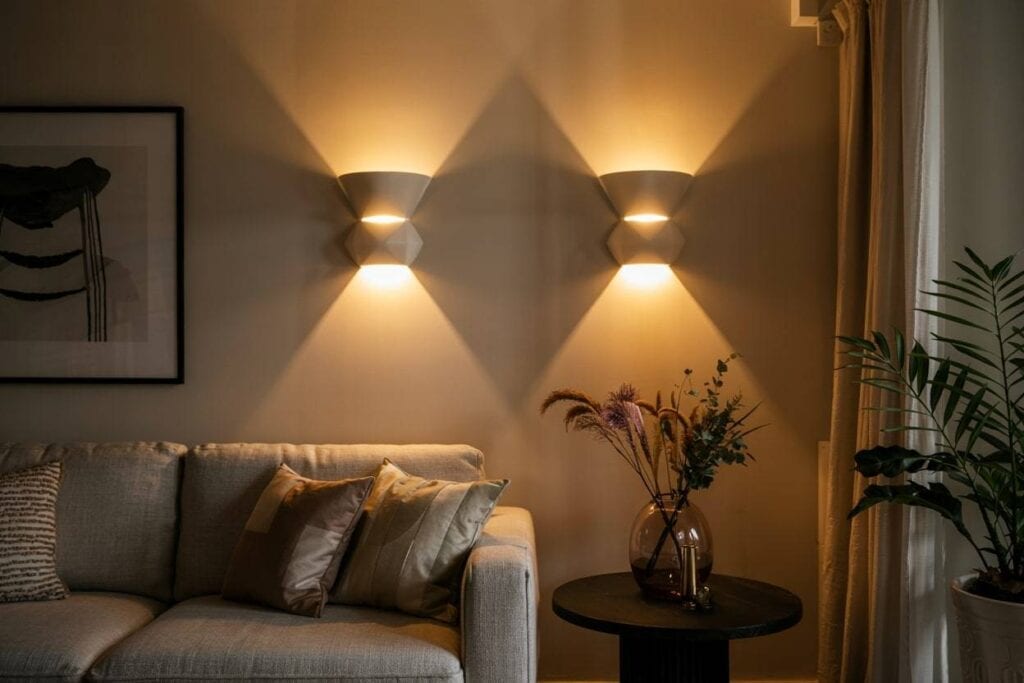
These fixtures cast light upward, usually toward the ceiling. They’re great for creating ambient lighting and setting a relaxed, inviting mood. Designers often use uplight sconces in hallways, dining rooms, and entryways to accentuate ceiling details, such as crown molding or textured walls.
Tip: Use soft white LED bulbs (2700K–3000K) for a warm ceiling glow.
2. Downlight Sconces
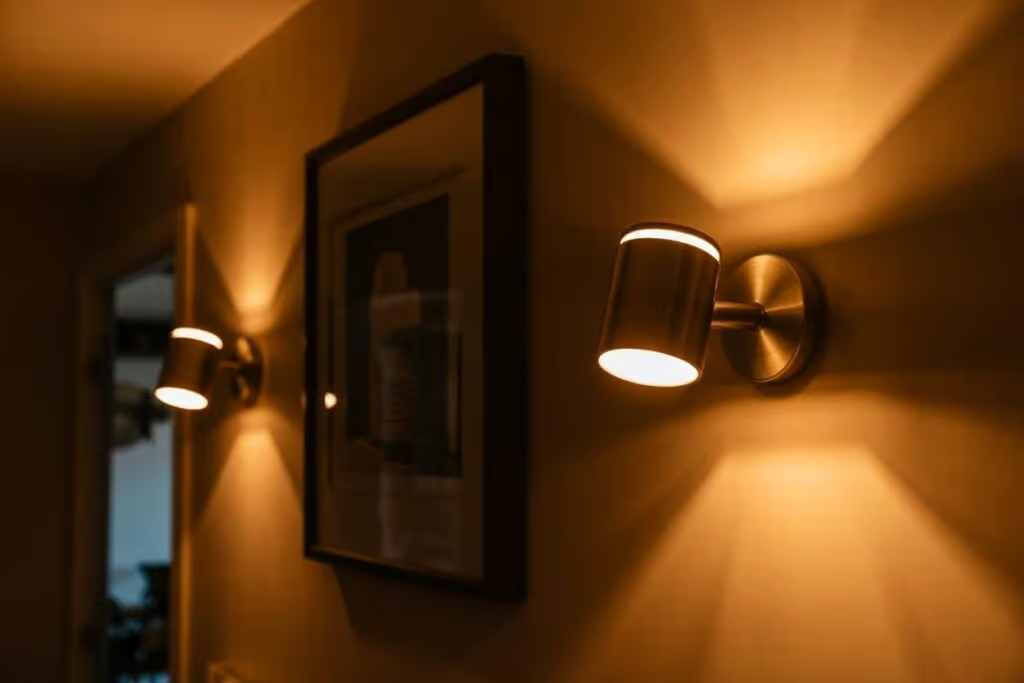
These direct light downward, making them ideal for task lighting, such as reading, grooming, or illuminating stairs. You’ll often see them next to bathroom mirrors, bedside tables, or staircases.
Expert Tip: Mount them at eye level (60–66 inches from the floor) to reduce glare.
3. Candle Sconces
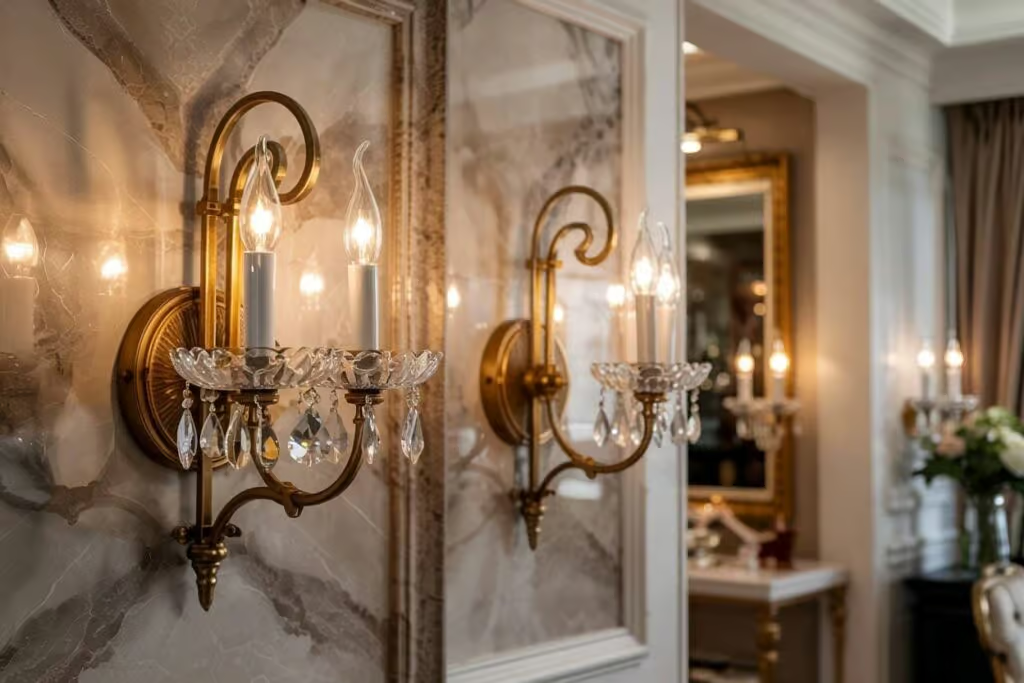
Candle sconces replicate traditional candle holders, offering a warm, romantic glow. Many use LED lights that simulate the flicker of real flames, making them ideal for rustic, farmhouse, or vintage interiors.
Use Case: Ideal for dining rooms, entryways, or hallways where ambiance matters more than brightness.
4. Swing Arm Sconces
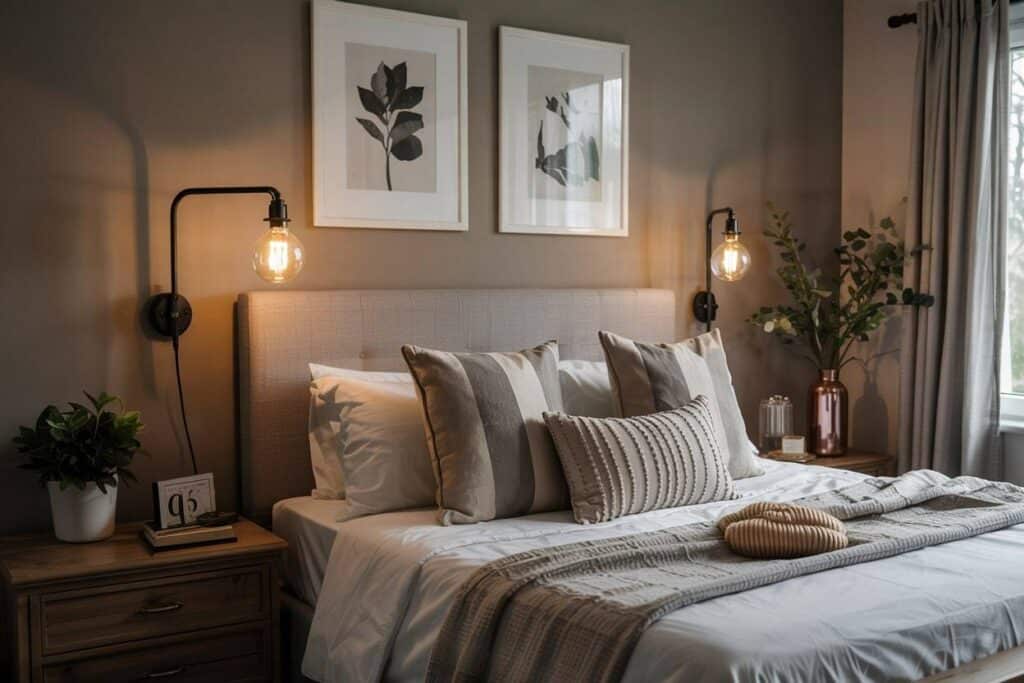
These come with an adjustable arm, allowing you to position the light where you need it. Ideal for bedside reading, home offices, or workspaces. They provide flexibility and save surface space.
Tip: Choose a model with a dimmer switch for adjustable brightness.
5. Flush Mount Sconces
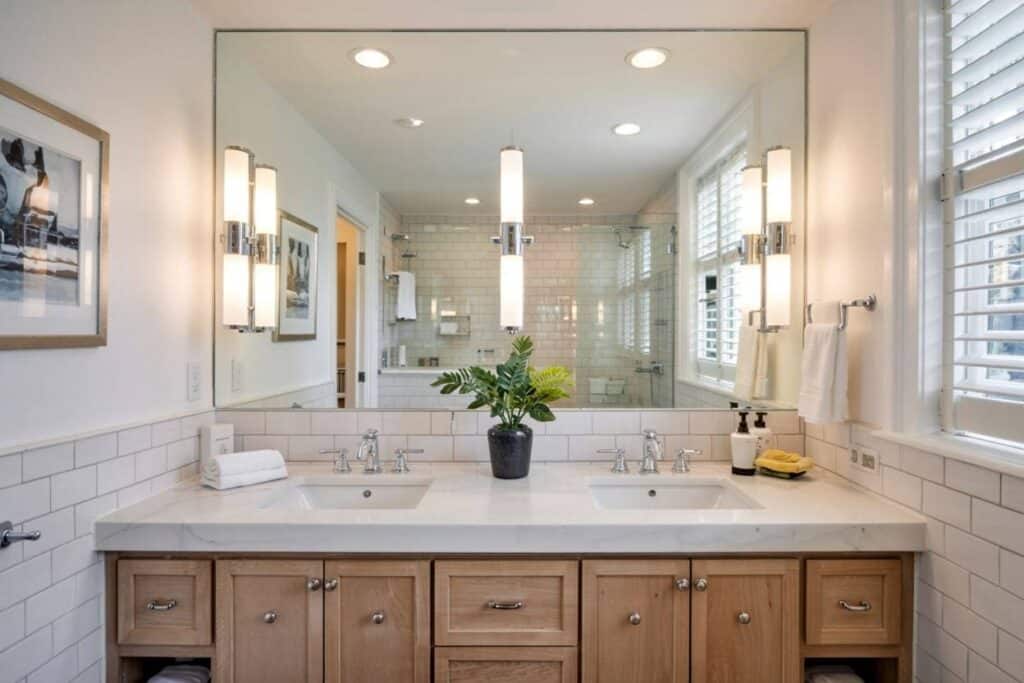
Flush mount sconces sit flat against the wall and don’t protrude much. This low-profile design makes them perfect for narrow hallways, small rooms, or tight corners.
Design Insight: It is often favored in modern or minimalist homes, where clean lines are a priority.
6. Lantern Sconces
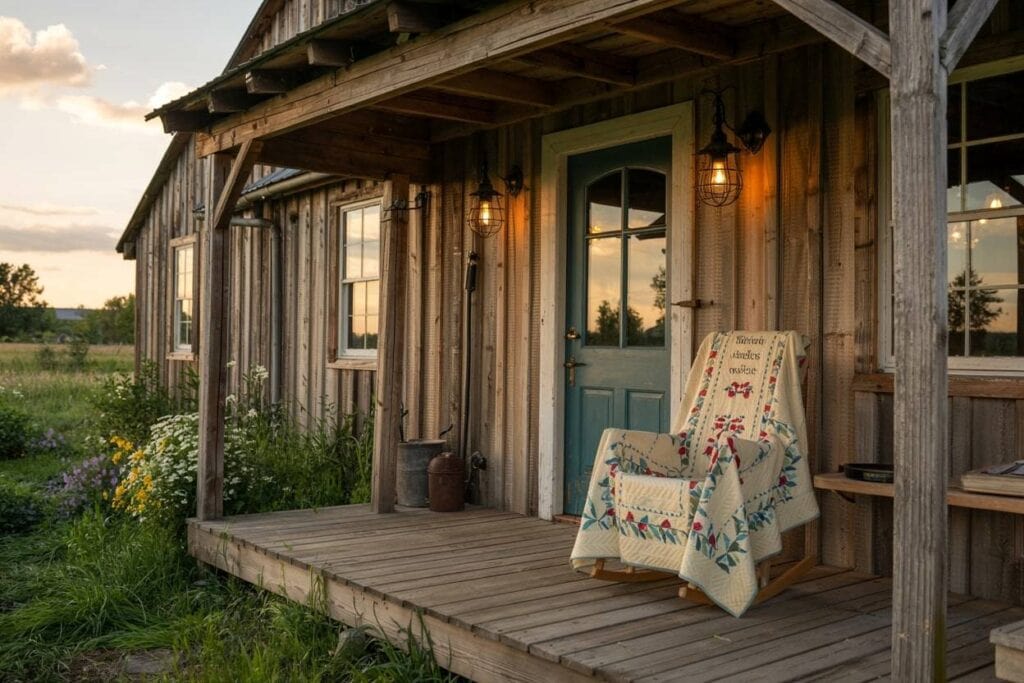
Inspired by vintage lanterns, these fixtures often use glass and metal materials. You’ll see them outdoors on porches and garden walls, but they also work inside for a coastal or cottage-style look.
Pro Tip: Choose IP65-rated fixtures for outdoor use to withstand rain and dust.
7. Wallchieres
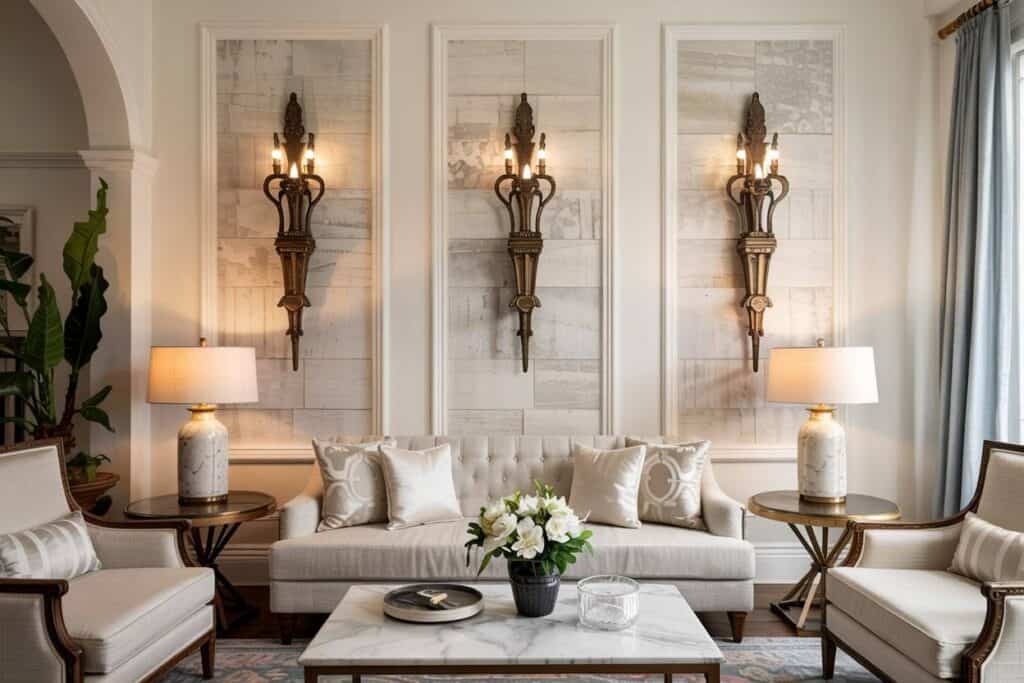
A combination of “wall” and “torchiere,” wallchieres are tall, decorative sconces that resemble mounted floor lamps. They add drama and elegance to large or formal spaces, such as dining rooms and grand hallways.
Style Tip: Best used in symmetrical layouts or paired with artwork for a luxury effect.
8. Wall Washers
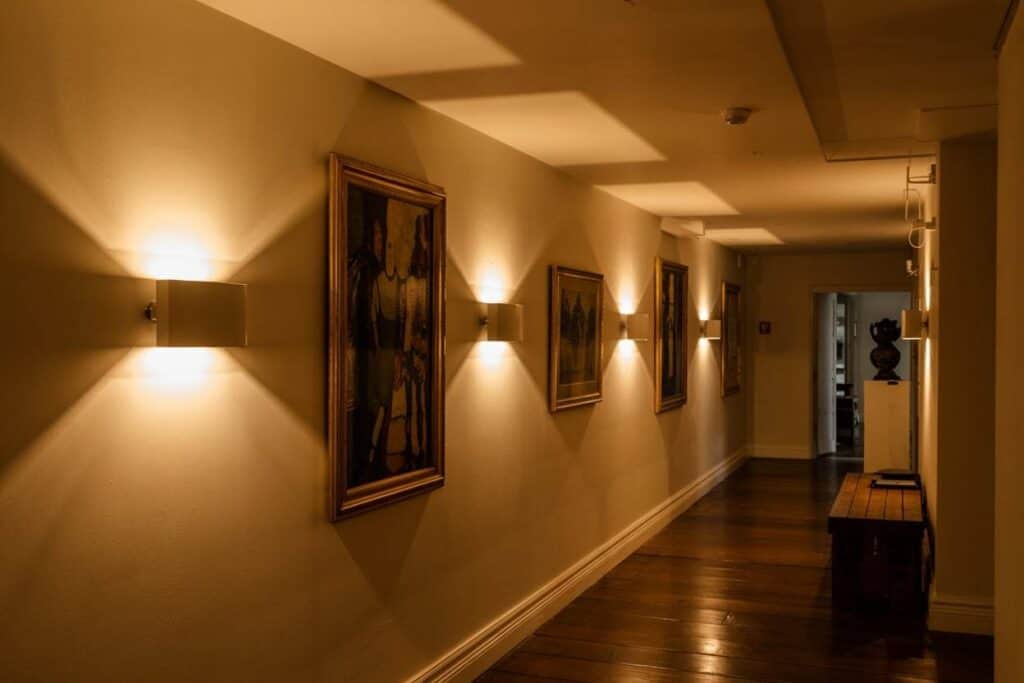
These are designed to “wash” a wall with light, creating a soft, even glow that emphasizes textures, colors, or architectural features. Common in modern homes, wall washers are favored by designers aiming for a gallery-style look.
Ideal Placement: Use on feature walls, behind plants, or to highlight a stone or brick texture.
9. Picture Lights Sconces
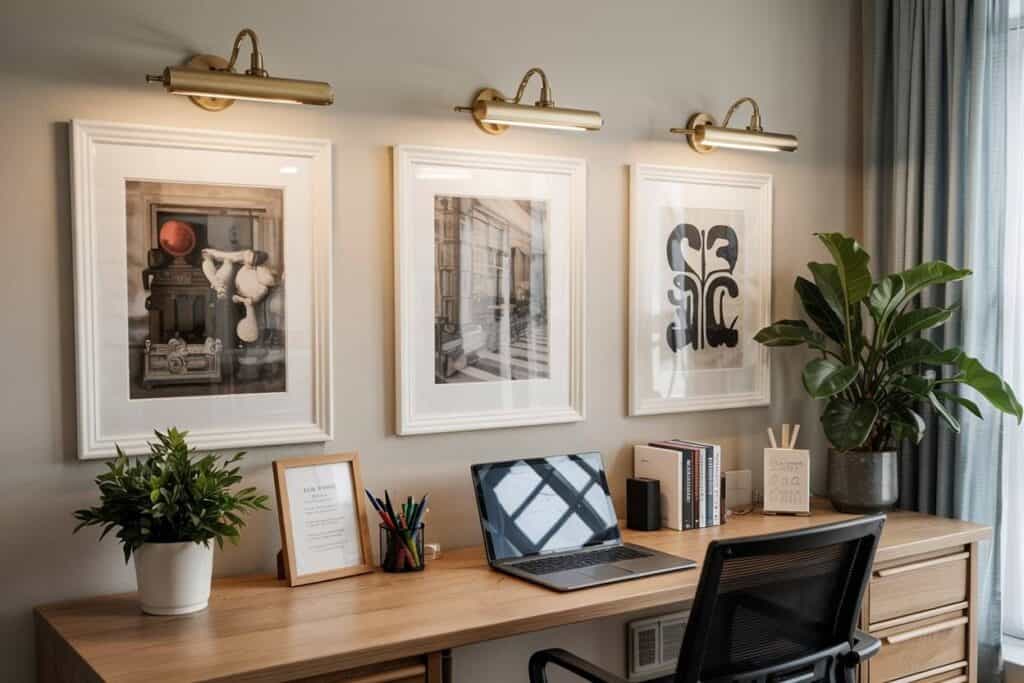
These small, focused sconces are designed to highlight artwork or photos. When mounted above or around a frame, they provide directional lighting without overpowering the room.
Placement Tip: Install 6–8 inches above frames for optimal illumination.
10. Indoor & Outdoor Wall Sconces
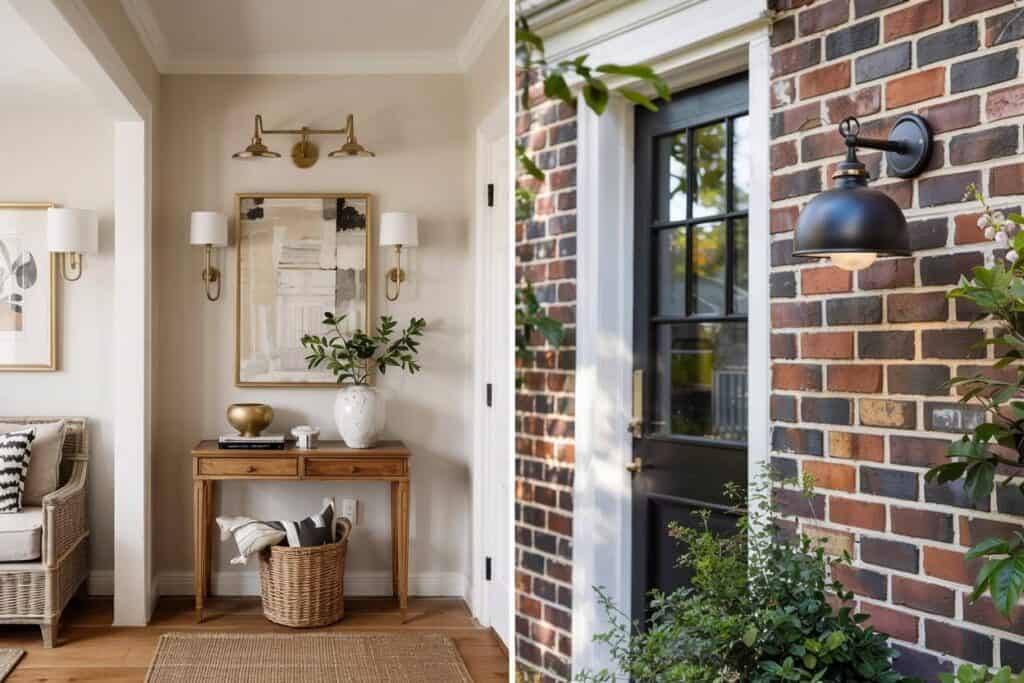
While the styles can overlap, indoor sconces prioritize design and softness, whereas outdoor sconces are built to withstand weather, moisture, and dust. They often include protective covers, weatherproof finishes, and enclosed bulbs.
Important: Look for UL Damp- or Wet-rated sconces for outdoor use. IP ratings like IP44 or higher are considered safe.
Common Places to Use a Sconce Light
Sconces are popular across both residential and commercial spaces. Here’s where they’re most commonly installed and why they work so well.
Indoors
- Hallways: A row of wall sconces makes hallways brighter and more welcoming. Spacing them about 6–8 feet apart and 60–66 inches from the floor provides even, glare-free light.
- Bedrooms: Perfect as bedside lights. They free up nightstand space and allow focused reading light. Swing arm sconces are especially popular for flexibility.
- Bathrooms: Installed beside mirrors, sconces provide balanced facial lighting, important for grooming, makeup, and shaving. Using two sconces at eye level helps eliminate harsh shadows.
- Staircases: Sconces improve safety and aesthetics on stairways by offering gentle light with minimal glare. Designers recommend installing one every few steps for consistency.
- Living Rooms: Sconces can accent a fireplace, highlight artwork, or simply add a warm glow when overhead lights are too intense. Great for creating ambiance during movie nights or relaxed evenings.
Outdoors
- Porch: Placing sconces by the front door boosts curb appeal and ensures you can safely unlock the door at night. Choose fixtures with motion sensors or dusk-to-dawn features for added functionality.
- Entryways: Outdoor entry sconces enhance visibility and make guests feel welcome while adding to the architectural beauty of your home.
- Patios: Soft, subtle sconces let you enjoy your patio after dark without harsh lighting. Perfect for entertaining or relaxing.
- Garage Walls: Installed beside or above garage doors, sconces offer both functionality and security, while tying together the home’s exterior design.
Stat: According to the 2023 Houzz U.S. Lighting Trends report, outdoor sconces were the #1 exterior lighting upgrade in residential renovations.
Benefits of Sconce Light Fixtures
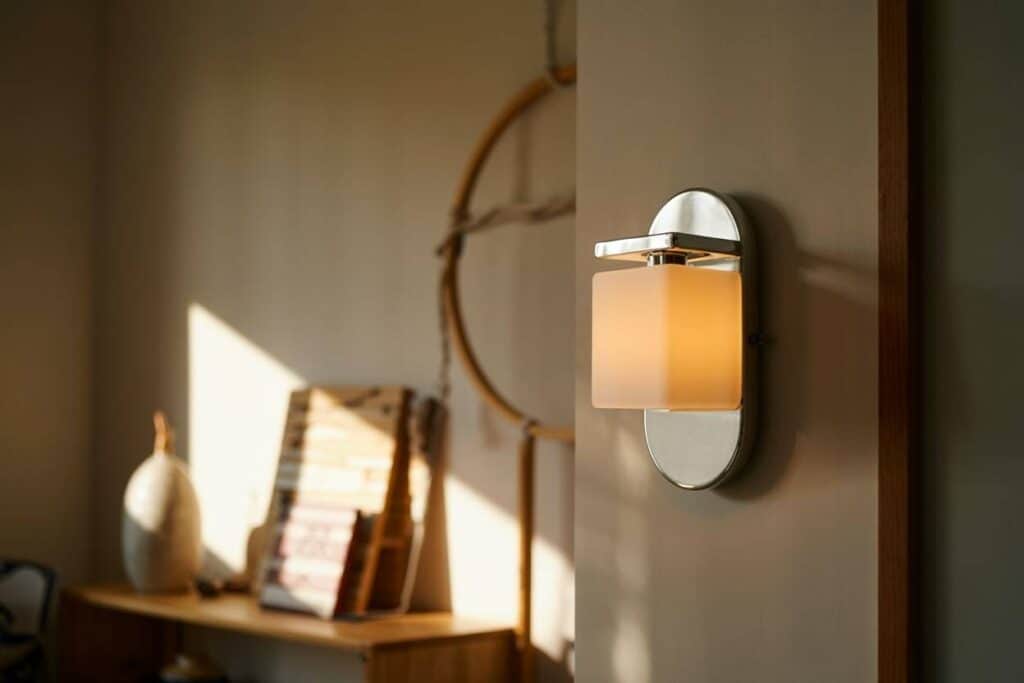
1. Saves Floor and Table Space
Since sconces mount directly to the wall, they eliminate the need for table or floor lamps, freeing up precious space in small bedrooms, tight hallways, or cozy reading nooks. This is especially helpful in urban apartments or minimalist interiors where space efficiency is key.
2. Enhances Wall Aesthetics
A well-chosen sconce adds visual interest to plain walls. Whether sleek and modern or antique-inspired, these fixtures create a sense of dimension and elevate your decor; some even double as sculptural art.
3. Delivers Directional or Ambient Lighting
Do you need a soft glow in the evening or focused brightness for tasks? Sconces do both. You can choose uplight, downlight, or dual-direction options depending on the mood and function you’re aiming for.
4. Flexible Installation Options
Sconces can be hardwired for a clean, built-in look or plugged in for quick setup. The latter is perfect for renters or temporary spaces, while hardwiring is ideal for permanent design upgrades.
5. Adds Character and Increases Home Value
Lighting has a significant influence on a room’s ambiance. Wall sconces offer warmth, sophistication, and character. They’re also a value-adding detail during home staging or resale.
How to Choose the Right Sconce Light
Choosing the perfect sconce goes beyond style; think of it as choosing a tool that suits a purpose. Here’s how to ensure your selection works for your room, function, and aesthetic:
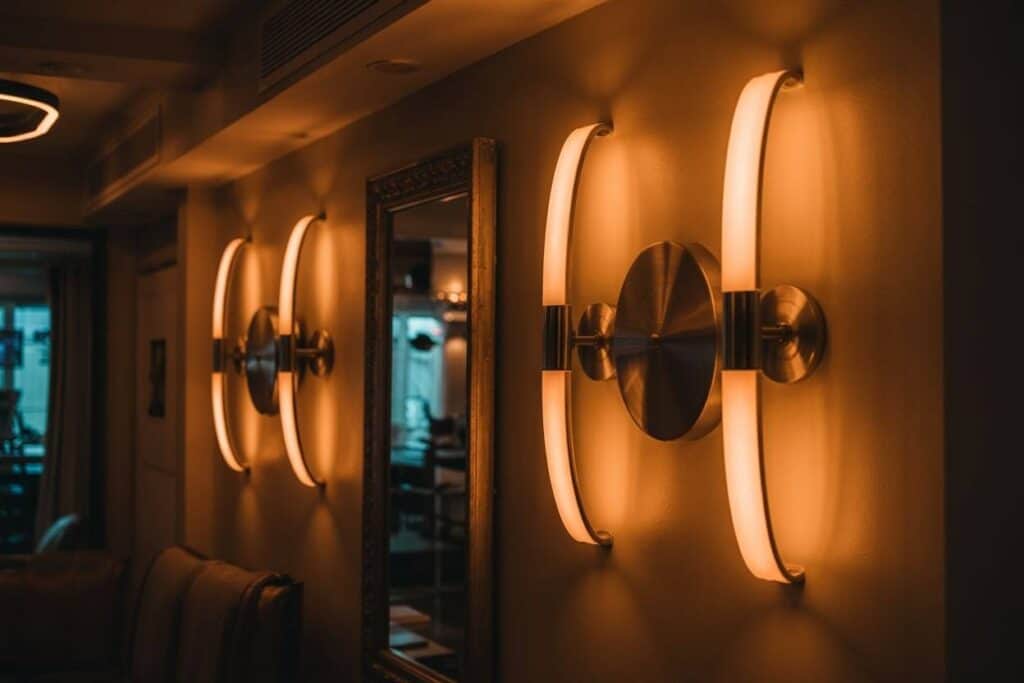
1. Define Its Purpose: Accent, Task, or Ambient Lighting
Ask yourself what the light is meant to do.
- Accent lighting: Highlights artwork or architectural features.
- Task lighting: Ideal for reading, makeup, and grooming.
- Ambient lighting: Provides overall soft, even illumination.
2. Match the Style to Your Room’s Decor
- Contemporary: Clean lines, metals, geometric shapes
- Rustic: Wood, wrought iron, Edison bulbs
- Vintage/Classic: Brass, candle-style, ornate detailing
- Design insight: Try to echo materials already present in your space for a cohesive look.
3. Size, Shape, and Projection from the Wall
- Small sconces are ideal for narrow halls or compact rooms.
- Larger or more sculptural sconces are well-suited for feature walls or open spaces.
- Always check the projection depth; you don’t want people bumping into them in high-traffic areas.
4. Light Direction and Bulb Type Compatibility
- Upward-facing sconces: Ideal for ambiance.
- Downward-facing: Better for reading or vanity lighting.
- Check for bulb type (LED, halogen, E26/E12) and whether the fixture is dimmable, especially for bedrooms or living rooms.
5. Interior vs. Exterior Use
Don’t mix indoor-rated sconces with outdoor setups. Always check for:
- UL-listed or damp/wet-rated fixtures for bathrooms or outdoor areas.
- Corrosion-resistant finishes for patios or coastal environments.
Stat: In 2024, 66% of homeowners who upgraded wall lights chose LED-compatible sconces with dimming support (Statista).
How to Install a Wall Sconce Light Fixture
Installing a sconce light can be a satisfying DIY task if you’re familiar with basic tools and home wiring. However, for hardwired models, safety and code compliance are crucial; know when to hire a professional.
1. Tools & Materials Needed
- Drill
- Screwdriver
- Wire Stripper
- Voltage Tester
- Level
- Mounting Bracket
2. Recommended Mounting Height
Mount your wall sconce at a height of 60–66 inches from the floor. This keeps the fixture at eye level for most people, creating balanced illumination without glare.
Pro tip: When using two sconces (e.g., beside a mirror), maintain symmetrical spacing for visual harmony.
3. Hardwired vs. Plug-In Installation
For Hardwired Sconces:
- Turn off the power at the breaker.
- Confirm wires are not live using a voltage tester.
- Install the junction box (if not already present).
- Connect matching wires (black to black, white to white, ground to ground).
- Mount the fixture and restore power.
For Plug-In Sconces:
- Mark the mounting height and location.
- Attach the bracket with screws and wall anchors (if needed).
- Mount the fixture and plug it in. Done!
4. Safety First: When to Call a Pro
- If no junction box exists
- If you’re unsure about electrical wiring
- If you’re working in an older home with outdated circuits
- Always use a voltage tester and turn off the breaker. Don’t skip this step
Common Mistakes to Avoid
Sconce lights are easy to love, but also easy to misuse if you’re not careful. Here are some of the most common mistakes people make, along with expert tips to avoid them:
Mounting Too High or Too Low
If the fixture is too far above or below eye level, it can throw off the room’s proportions and create poor lighting. The ideal height is typically 60–66 inches from the floor to the center of the fixture. This range feels natural for both ambient and task lighting.
Using the Wrong Fixture Type for the Room
A decorative indoor sconce might not survive humidity in a bathroom or the elements outside. Always check the UL rating “Damp Rated” for bathrooms, “Wet Rated” for outdoor use. Using the wrong fixture can lead to rust, failure, or even electrical hazards.
Ignoring the Light Direction
Do you need ambient light or focused illumination?
- Upward-facing sconces diffuse light and soften a room.
- Downward-facing sconces are ideal for tasks such as reading or grooming.
Choose based on function, not just looks.
Skipping Dimmer Compatibility
Want flexibility in brightness? Not all sconces or bulbs support dimming. Before buying, check that both the fixture and bulb are dimmable and compatible with your dimmer switch. This simple detail can significantly impact the ambiance.
Overcrowding the Wall
Sconces should enhance a space, not overwhelm it. Too many fixtures can feel chaotic. Maintain visual balance by spacing sconces appropriately, especially in narrow areas like hallways or entryways.
Sconce Lighting Ideas for Different Rooms
| Room | Sconce Placement Idea |
| Living Room | Place sconces on each side of a fireplace or artwork to frame and highlight focal points. |
| Bathroom | Mount sconces on both sides of the mirror for even, shadow-free grooming light. |
| Bedroom | Install wall-mounted sconces beside the bed for a space-saving and cozy nighttime reading experience. |
| Hallway | Space sconces evenly to light the path and create visual rhythm or symmetry. |
| Outdoor | Use wet-rated sconces on porch or patio walls to boost both security and curb appeal. |
FAQs
Conclusion
Sconce lighting is one of those rare upgrades that’s both functional and decorative. Whether you’re sprucing up a hallway or building a cozy bedroom corner, sconces provide style without stealing space. Their flexibility in design, placement, and light output makes them suitable for nearly every room and every home.
From energy-efficient LEDs to sleek modern finishes and vintage charm, there’s a sconce out there that’s perfect for your space. And once installed properly, it’s likely to become one of the most appreciated details in your home.