
A lighting layout serves as the essential blueprint for your home or office. It transforms dull, uninspired rooms into vibrant, functional spaces that truly reflect your personality.
We believe that smart design should be simple and accessible for everyone. By planning your fixtures strategically, you can enhance both the mood and the utility of any environment.
Our team is dedicated to helping you illuminate your dream life with ease and innovation. If you need personalized guidance, please visit us at www.imltled.com.
You can also reach out via WhatsApp at 0086 185 8848 3178 or send an email to [email protected]. We are here to make your vision a reality through professional, straightforward solutions.
Key Takeaways
- A well-planned design acts as a strategic map for your interior space.
- Proper placement of fixtures significantly improves room functionality and atmosphere.
- We focus on simplifying complex technology to make your life easier.
- Professional guidance is available to help you achieve your specific goals.
- Innovation and simplicity are at the heart of our design philosophy.
Understanding the Importance of a Lighting Layout
We believe that light is the most powerful tool in your design arsenal for shaping how you experience a space. A thoughtful interior lighting layout acts as the backbone of any successful project, bridging the gap between mere visibility and true comfort.
“Light is the magical ingredient that makes or breaks a space; it is the soul of architecture.”
Enhancing Aesthetic Appeal
Your home should reflect your personality, and the right lighting is essential to achieving that goal. By carefully layering light, you can transform the mood of a room from energetic to serene in an instant.
A well-executed interior lighting layout highlights architectural details and artwork, turning ordinary walls into focal points. When you balance light intensity and distribution, you create a visually stunning environment that feels curated and intentional.
Improving Functionality
Beyond beauty, your lighting must serve a practical purpose. We focus on ensuring that every corner of your home supports your daily activities, whether you are cooking, reading, or working from home.
Properly placed fixtures eliminate harsh shadows and reduce eye strain, which significantly boosts your daily productivity. An effective interior lighting layout ensures that your space works as hard as you do, providing clear visibility exactly where you need it most.
Energy Efficiency Considerations
Creating a beautiful space does not have to come at the cost of the planet or your wallet. We prioritize energy-efficient solutions that maintain high performance while minimizing your carbon footprint.
Integrating smart controls allows you to manage your interior lighting layout with precision, ensuring no energy is wasted in empty rooms. By choosing the right technology, you achieve a perfect balance between sustainable living and modern convenience.
Key Components of a Lighting Layout
Your electrical lighting layout serves as the backbone of your home’s atmosphere and utility. By carefully selecting the right elements, we can transform a standard room into a vibrant, multi-functional space. A well-planned lighting design balances technical requirements with your personal style to ensure every corner is perfectly illuminated.
Types of Lighting
To achieve a professional look, we categorize light into three distinct layers. Ambient lighting provides the overall glow that fills the room, while task lighting focuses on specific areas like kitchen counters or desks. Finally, accent lighting adds drama by highlighting architectural features or artwork.
Fixtures and Accessories
Choosing the right hardware is essential for a cohesive interior lighting layout. We recommend selecting fixtures that complement your decor while meeting your specific brightness needs. From recessed cans to elegant pendants, the right accessories help you manage shadows and create depth throughout your home.
Controls and Dimming Options
Modern technology allows you to take full control of your environment with ease. Integrating smart dimmers and automated switches gives you the power to adjust the mood instantly. These tools are vital for energy efficiency and extending the lifespan of your bulbs.
| Component | Primary Function | Best Use Case |
|---|---|---|
| Ambient Fixtures | General Illumination | Living Rooms and Hallways |
| Task Lighting | Focused Clarity | Kitchens and Home Offices |
| Smart Dimmers | Intensity Control | Bedrooms and Dining Areas |
| Accent Lights | Visual Interest | Art Displays and Shelving |
Factors to Consider When Designing a Lighting Layout
We believe that every great space begins with a thoughtful analysis of its unique physical characteristics. Before you install a single fixture, you must evaluate the fundamental elements that define your environment to ensure optimal performance and comfort.
Room Size and Shape
The dimensions of your room dictate the intensity and spread of light required. Large, open areas often benefit from layered lighting, while smaller, confined spaces need focused fixtures to avoid feeling cramped. Careful measurement is the first step in creating a balanced residential lighting layout that feels both spacious and inviting.
Purpose of the Space
Every environment serves a specific function that influences your choice of hardware. A professional office lighting design prioritizes task-oriented brightness to reduce eye strain, whereas a living room focuses on warmth and relaxation. Whether you are planning a commercial lighting layout or a cozy home nook, aligning your fixtures with the room’s primary use is essential for success.
Natural Light Availability
Sunlight is a powerful tool that changes throughout the day. We recommend mapping out window locations to complement existing daylight rather than competing with it. For exterior areas, a well-thought-out outdoor lighting plan can help you extend the usability of your property long after the sun sets.
| Space Type | Primary Goal | Lighting Priority |
|---|---|---|
| Home Office | Productivity | Task-focused |
| Retail Store | Sales/Display | Accent lighting |
| Outdoor Patio | Ambiance | Soft, warm glow |
Common Lighting Layout Styles
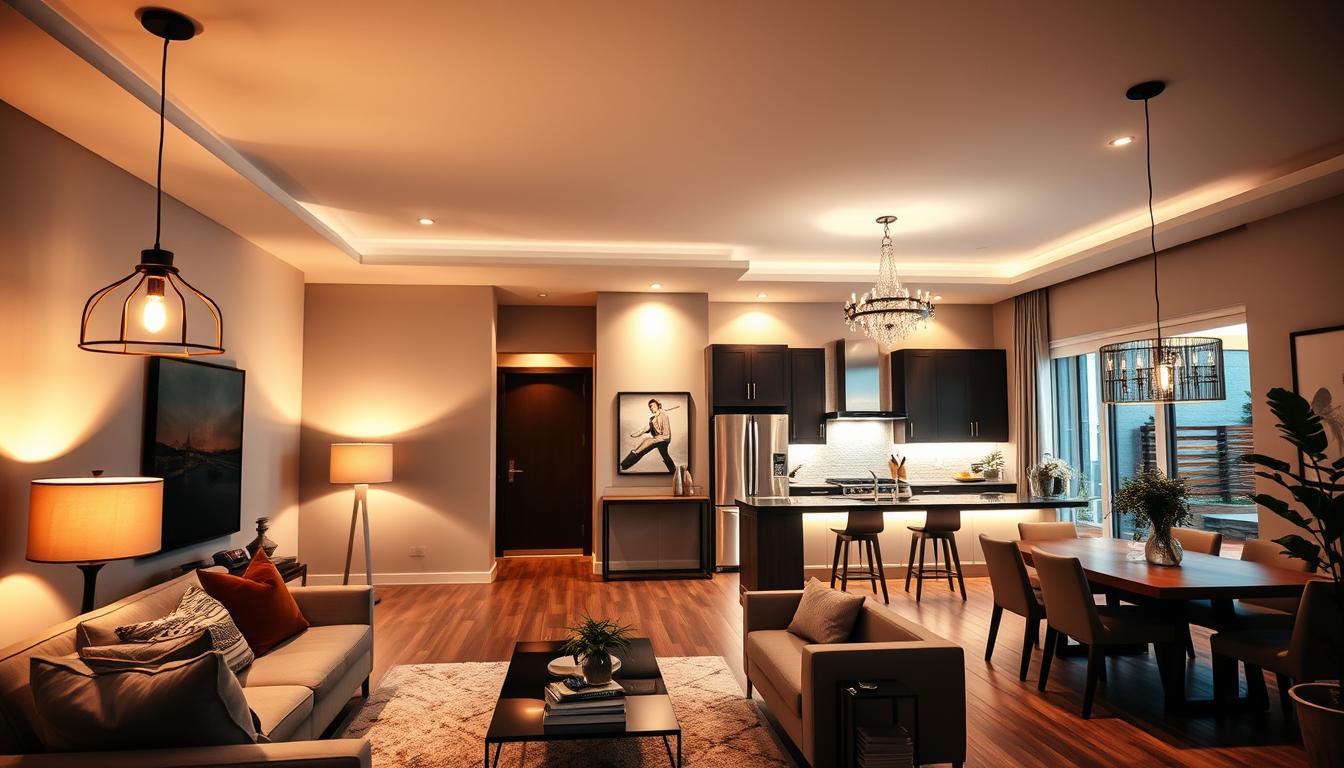
You can transform any room by mastering the art of layering ambient, task, and accent lighting. By combining these three styles, we create depth and visual interest that makes your home feel both comfortable and inviting. A well-planned residential lighting layout is the secret to ensuring your space is as beautiful as it is practical.
Ambient Lighting
Ambient lighting serves as the foundation for every room in your house. It provides a soft, general glow that allows you to move around safely and comfortably. Think of this as your primary light source, often achieved through ceiling fixtures or recessed lights that fill the entire area evenly.
Task Lighting
Once you have your base layer, it is time to add task lighting to improve functionality. This style focuses on specific areas where you perform detailed work, such as reading, cooking, or grooming. Integrating smart solutions can help you brighten up your home with smart building decoration to ensure your workspace is always perfectly illuminated. A high-quality residential lighting layout ensures that shadows do not interfere with your daily activities.
Accent Lighting
Accent lighting is the final touch that adds personality and drama to your interior design. We use this layer to highlight architectural features, artwork, or decorative plants, creating a sense of sophistication. By directing light toward specific objects, you draw the eye and create a focal point that elevates the entire room. Implementing this final layer in your residential lighting layout is a simple way to make your home feel truly unique and professionally designed.
Tools and Software for Lighting Design
We believe that leveraging innovative digital tools is the key to simplifying your next lighting design project. Modern technology has bridged the gap between complex architectural planning and everyday home improvement. By using the right software, you can visualize your space with incredible precision before a single fixture is installed.
CAD Software
For those who require professional-grade accuracy, Computer-Aided Design (CAD) software remains the industry standard. Programs like AutoCAD or SketchUp allow you to build detailed 3D models of your rooms. This level of detail ensures that your lighting design accounts for every corner, shadow, and architectural nuance of your home.
Online Lighting Design Tools
If you prefer a more accessible approach, web-based platforms offer a fantastic middle ground. These tools are often intuitive and require no heavy installation, making them perfect for quick experiments. Many manufacturers provide free online configurators that help you select fixtures based on your specific room dimensions and desired ambiance.
Mobile Apps for Lighting Planning
Technology has truly gone mobile, allowing you to plan your space while standing right in the room. Several user-friendly apps let you use your smartphone camera to map out light placement in real-time. These mobile solutions are incredibly convenient for testing different layouts on the fly, ensuring your final lighting design feels natural and functional.
Steps to Create an Effective Lighting Layout
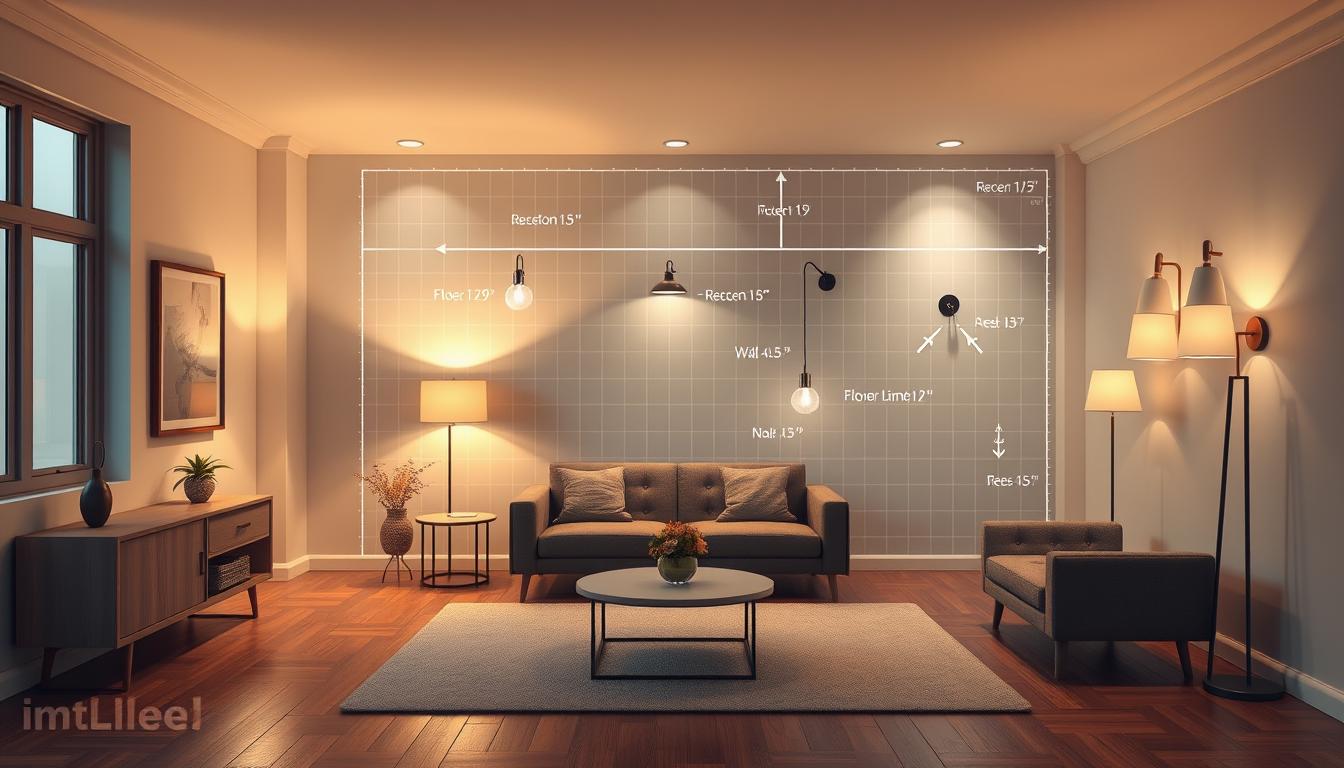
Transforming your home begins with a strategic approach to your lighting layout. By following a clear, logical sequence, you can ensure that every corner of your room serves its purpose while looking beautiful. We recommend starting with a comprehensive room lighting plan to avoid common pitfalls and unnecessary installation costs.
Assessing Existing Lighting
Before you purchase new hardware, take a moment to evaluate what is already in place. Identify which areas currently lack sufficient brightness and note where shadows interfere with your daily tasks. Understanding your current setup allows you to build upon existing strengths while correcting functional gaps.
Consider how natural light enters the room throughout the day. A successful lighting design process often relies on balancing artificial sources with available sunlight to create a harmonious environment.
Creating a Floor Plan
Once you have assessed your needs, it is time to sketch a detailed floor plan. This document serves as the blueprint for your electrical lighting layout, ensuring that switches and outlets are placed exactly where you need them. Use a scale drawing to map out furniture locations, as this dictates where task lighting should be positioned.
“Good design is not just about how things look, but how they function in the daily lives of the people who use them.”
Choosing the Right Fixtures
Selecting the right fixtures is the final step in bringing your vision to life. You should prioritize pieces that match your personal style while meeting the specific lumen requirements of the space. Quality matters, so look for durable materials that offer both longevity and energy efficiency.
The following table helps you categorize fixtures based on their primary function within your electrical lighting layout:
| Lighting Type | Primary Purpose | Best Location |
|---|---|---|
| Ambient | General illumination | Ceiling centers |
| Task | Focused activity | Under cabinets |
| Accent | Visual interest | Wall displays |
By maintaining a structured room lighting plan, you eliminate guesswork and ensure a professional result. This methodical approach keeps your project on track and guarantees that your home remains both safe and inviting for years to come.
The Role of Color Temperature in Lighting
The secret to professional lighting design often lies in the subtle science of color temperature. While many people focus solely on brightness, the hue of your light is what truly defines the character of a room. By mastering this technical detail, you can easily shift your home from a high-energy workspace to a relaxing retreat.
Understanding Kelvin Ratings
Color temperature is measured on the Kelvin (K) scale, which indicates the color appearance of the light emitted by a bulb. Lower Kelvin numbers represent warmer, yellowish tones, while higher numbers shift toward cooler, bluish-white light.
For instance, a 2700K bulb provides a soft, warm glow similar to traditional incandescent lighting. In contrast, a 5000K bulb mimics bright daylight, offering a crisp and clear illumination that is perfect for detailed tasks.
Impact on Mood and Perception
Your choice of Kelvin rating directly influences how you feel within a space. Warm light is generally preferred for living rooms and bedrooms because it creates a cozy, intimate atmosphere that helps you unwind after a long day.
Conversely, cool light is ideal for kitchens, home offices, or garages where focus and productivity are essential. This type of lighting reduces eye strain during detailed work and helps you stay alert. By aligning your lighting with the purpose of the room, you ensure that your environment supports your daily activities.
Mixing Color Temperatures
Achieving a balanced, professional look often involves layering different light sources. You do not have to stick to a single temperature throughout your entire home. Instead, try using warm ambient lighting for general comfort while incorporating cooler task lighting in specific work zones.
The key is to maintain consistency within a single room to avoid a disjointed appearance. If you are unsure where to start, we recommend testing a few different bulbs to see how they interact with your wall colors and furniture. Thoughtful layering allows you to enjoy the best of both worlds, creating a space that is both functional and inviting.
Calculating Light Levels and Placement
Precision is the secret ingredient to a professional office lighting design that keeps you productive all day. By moving beyond guesswork, we can ensure that every corner of your room receives the exact amount of illumination required for your specific tasks.
Using Footcandles
To measure brightness, we rely on a standard unit called the footcandle. One footcandle represents the amount of light reaching a one-square-foot surface from a single candle one foot away.
Calculating your needs is straightforward. You simply divide the total lumens of your bulbs by the square footage of the room. This data-driven approach allows you to determine exactly how many fixtures are necessary to avoid dark spots or uncomfortable glare.
Recommended Light Levels for Different Spaces
Different activities require varying levels of intensity to maintain comfort and efficiency. We have compiled a guide to help you achieve the ideal balance for your home or workspace.
| Space Type | Recommended Footcandles | Primary Focus |
|---|---|---|
| General Office | 30–50 | Comfort and Visibility |
| Detailed Task Work | 70–100 | Precision and Focus |
| Hallways/Entryways | 10–20 | Safety and Navigation |
By applying these standards, your office lighting design will support your daily goals while reducing eye strain. Remember that the goal is to create a harmonious environment where light serves your needs without overwhelming your senses.
Sustainability in Lighting Layout Design
We believe that true innovation in lighting design must prioritize environmental stewardship alongside performance. By rethinking how we illuminate our spaces, we can create environments that are both beautiful and responsible. Whether you are drafting a commercial lighting layout or planning a residential upgrade, sustainability should be at the heart of your strategy.
Energy-Efficient Lighting Options
The most effective way to improve sustainability is by choosing the right hardware. Modern LED technology has revolutionized the industry, offering incredible brightness while consuming a fraction of the energy used by traditional bulbs. When you implement these solutions, you significantly lower your electricity costs and reduce waste.
For those looking to deepen their expertise, we recommend exploring 5 tactics for sustainable architectural lighting to refine your approach. Efficiency is not just about the bulb; it is about the entire system design. By selecting fixtures with high efficacy ratings, you ensure that every watt of power is put to good use.
Integrating Smart Technology
Innovation should go hand-in-hand with environmental responsibility. Our smart solutions provide you with the convenience of remote control and automated scheduling, ensuring your space is always optimized for efficiency. You no longer need to worry about lights being left on in empty rooms.
“Sustainability is not a trend, but a fundamental shift in how we interact with our built environment.”
Smart sensors and dimming controls allow your outdoor lighting plan to adapt to natural light levels throughout the day. This level of automation makes your life easier while ensuring that energy is only used when it is truly needed. It is a simple, effective way to manage your consumption without sacrificing comfort.
Reducing Carbon Footprint
Every decision you make in your design process contributes to your overall environmental impact. By choosing durable, long-lasting fixtures, you reduce the need for frequent replacements and minimize landfill waste. We are here to help you build a future that is brighter and cleaner.
Consider these key benefits of a sustainable approach:
- Lower operational costs through reduced energy consumption.
- Extended lifespan of lighting components, reducing maintenance needs.
- Enhanced user comfort by matching light levels to specific tasks.
Adopting these practices ensures that your commercial lighting layout remains relevant and responsible for years to come. Whether you are working on an indoor project or a complex outdoor lighting plan, our goal is to make sustainability feel effortless and rewarding.
Professional Assistance for Lighting Layout
Navigating the complexities of modern lighting design requires a blend of technical skill and artistic vision. While many home improvements are perfect for a weekend DIY project, certain installations demand the steady hand of a specialist. Partnering with an expert ensures that your space is not only beautiful but also safe and fully compliant with local electrical codes.
When to Hire an Expert
You should consider bringing in a professional when your project involves significant structural changes or high-voltage wiring. If you are planning an architectural lighting design that requires custom controls or complex integration, an expert can save you time and prevent costly mistakes. They possess the deep knowledge needed to discover the best building lighting solutions tailored to your specific environment.
Professionals also excel at managing large-scale renovations where multiple zones must work in harmony. They understand how to manipulate light to highlight textures, colors, and architectural features that a standard installation might miss. Relying on their expertise allows you to focus on the creative aspects of your home while they handle the technical heavy lifting.
Questions to Ask a Lighting Designer
Before you commit to a partnership, it is vital to vet your designer to ensure their style aligns with your goals. Ask them about their experience with similar projects and request to see a portfolio of their previous work. You should also inquire about their process for managing budgets and timelines to avoid any surprises during the installation phase.
Understanding their technical approach is equally important for a successful outcome. Ask how they handle energy efficiency and whether they prioritize sustainable technology in their plans. A great designer will be happy to explain their vision and how it supports your long-term needs.
| Service Aspect | DIY Approach | Professional Designer |
|---|---|---|
| Technical Complexity | Basic Fixture Swaps | Advanced System Integration |
| Safety Compliance | User Responsibility | Certified Standards |
| Design Aesthetic | Standard Solutions | Customized Lighting Design |
| Project Cost | Lower Upfront | Investment in Quality |
Final Tips for a Successful Lighting Layout
Creating a balanced space requires attention to detail and a willingness to evolve. Your Lighting Layout serves as the foundation for a comfortable home or office environment.
Testing and Adjusting Your Design
Walk through your space at different times of the day to observe how light interacts with your furniture. You might find that a specific room lighting plan needs minor tweaks to eliminate shadows or glare. Adjusting fixture angles or swapping bulbs can make a significant difference in your daily comfort.
Considering Future Needs
Think about how your room usage might change over the coming years. A flexible architectural lighting design allows you to add smart controls or upgrade fixtures without a complete overhaul. Planning for modularity ensures your investment remains relevant as your lifestyle shifts.
Keeping Up with Trends and Innovations
New technology makes it easier to manage your environment with precision. We stay at the forefront of these advancements to help you achieve the best results. If you need expert guidance or have specific questions about your project, reach out to us at www.imltled.com.
Our team is ready to assist you via WhatsApp at 0086 185 8848 3178. You can also send your inquiries to [email protected]. We look forward to helping you build a beautiful, efficient, and modern space that reflects your unique vision.